What Business Owners Miss When they DIY Office Improvements
Collaborative Post

Chances are high that when it comes to your own house, you probably do some DIY maintenance here and there, right? Like, it beats spending hundreds on a repairman, and there’s plenty of tutorials online anyway to help make all of this possible, too. So, if you own your office, then what’s the harm of doing some DIY maintenance here and there, right?
Besides, repairmen and contractors are ten times more if they’re having to work on a commercial building anyway. But when it comes to compliance and keeping your employees safe, it’s honestly not a good idea. So, why would this even be a problem, though?
Good Intentions Don’t Automatically Equal Compliance
Ideally, it’s best to start here. So, most business owners aren’t cutting corners on purpose. They’re just focused on solving a problem in front of them. Besides, repairmen are super expensive, and a lot of them are known for being slimy and cutting corners in the first place. Maybe you need some more space, the flow needs improving, the storage has to go somewhere, and so changes get made with practicality in mind. Makes total sense here.
But with all of that said here, workplace rules don’t really care about intent. They care about outcomes. Meaning, that something can be built with the best intentions and still fall short of safety or compliance expectations simply because the bigger picture wasn’t considered.
Small Changes Can Have Bigger Implications
Which is a bit scary in all honesty, because it shouldn’t be a big deal in the first place, though, right? Well, keep in mind that DIY improvements tend to focus on the immediate goal, not the ripple effects. Like adding a raised area, reworking stairs, or creating new walkways might seem straightforward, but those changes affect how people move through the space. Sure, repaint the walls, touch up the ceiling if there’s a stain, change the light bulb, but if it’s anything workplace safety related, then ideal to not mess around and get a professional instead.
Regulations Don’t Always Feel Obvious
Well, they just don’t seem obvious in general, and most people don’t know the regulations in their locality either. Well, it’s not like there aren’t flashing signs saying something’s wrong. It’s seriously crazy to think, though, but a setup can look solid, feel sturdy, and still not meet expectations. Yeah, it’s true. But it’s especially true when it comes with structural elements, so things like steps, edges, and barriers come with specific requirements that aren’t always common knowledge.
Honestly, it’s not even a good idea to DIY these either. For example, if you need railing, you’re better off looking into commercial railings that can be installed for you rather than just buying materials from your local hardware store and hoping for the best.
DIY Often Skips the “What If” Questions
For the most part, though, professionals tend to think in scenarios. What kind? Well, what happens if someone slips? What happens if foot traffic increases? What happens if the space is used differently six months from now? DIY projects usually focus on the here and now. Well, yeah, obviously, most issues don’t show up immediately. They appear later, at inconvenient times, like when an inspection happens.
—End of Collaborative Post—
Free self-development courses
👇
 |
 |
Free life guides
👇
Best-selling Self-development courses by Dean Bokhari
Kill procrastination.
|
Get motivated.
|
Connect with anyone.
|

freshly pressed:
Top Audiobooks narrated by Dean Bokhari on audible | |
Book summaries
- The Power of Habit by Charles Duhigg
- 12 Rules for Life by Jordan B. Peterson
- Presence by Amy Cuddy
- Leaders Eat Last by Simon Sinek
- The ONE Thing by Gary Keller, Jay Pasan
- Deep Work by Cal Newport


NAV

listen + subscribe


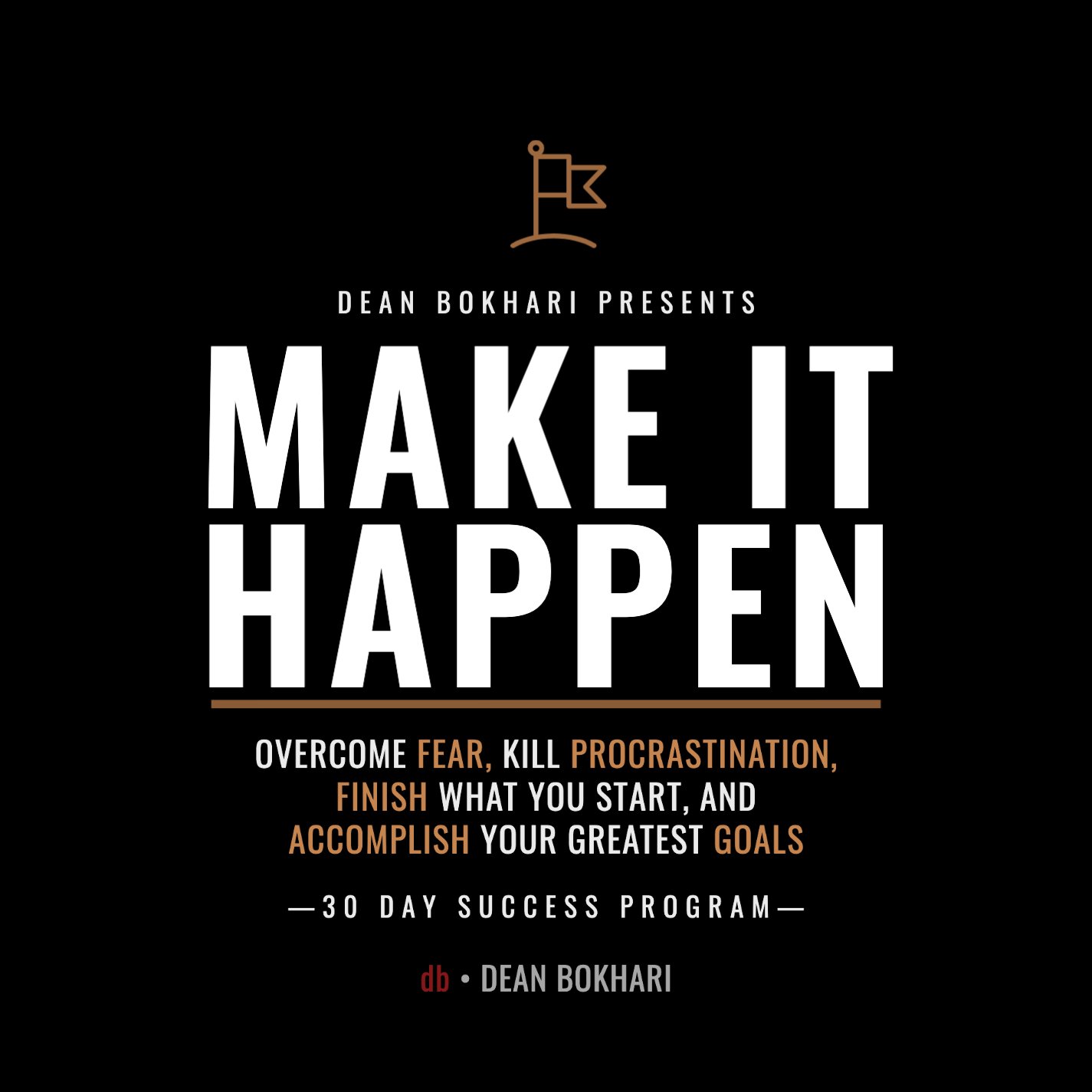
Overcome fear, beat procrastination, and accomplish your greatest goals with this 30-day success program by Dean Bokhari.
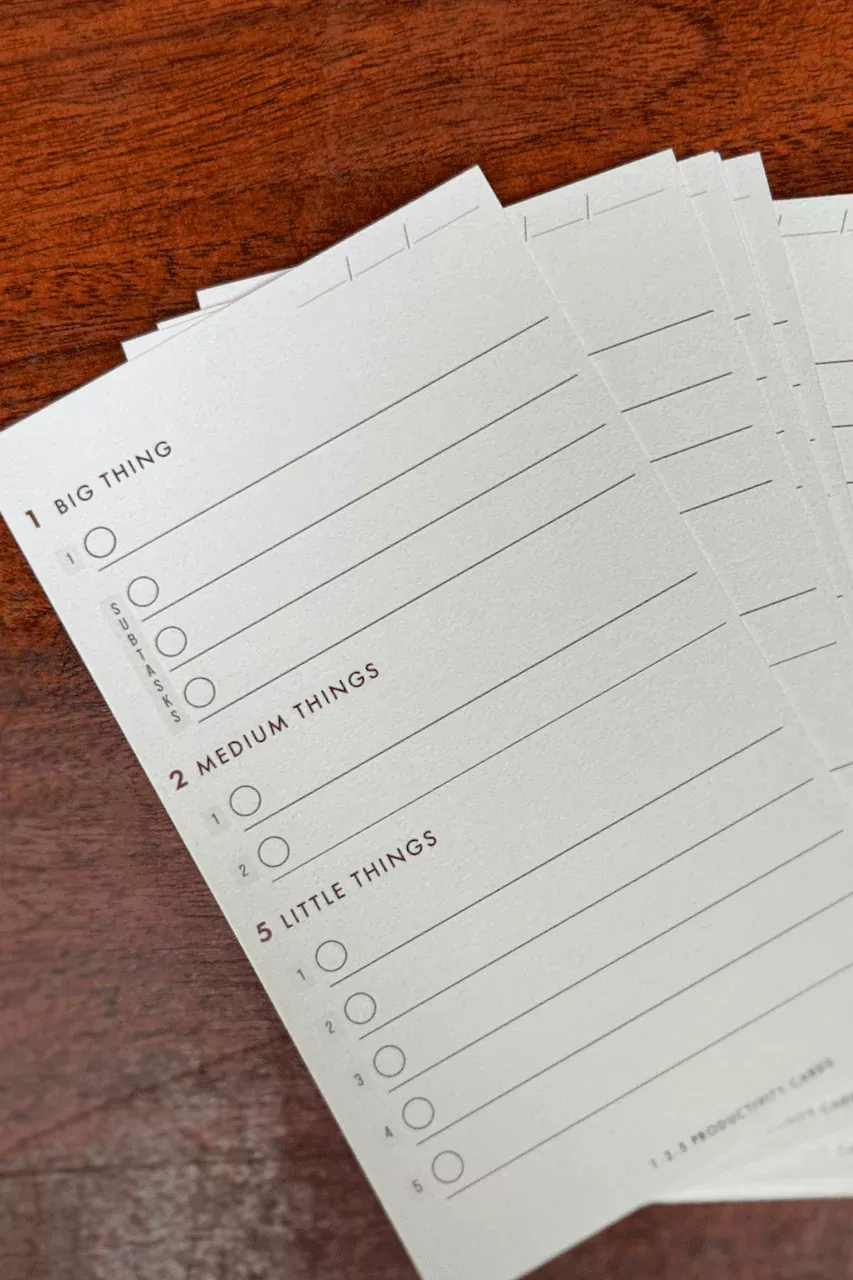
1-2-5 Daily Productivity Cards.
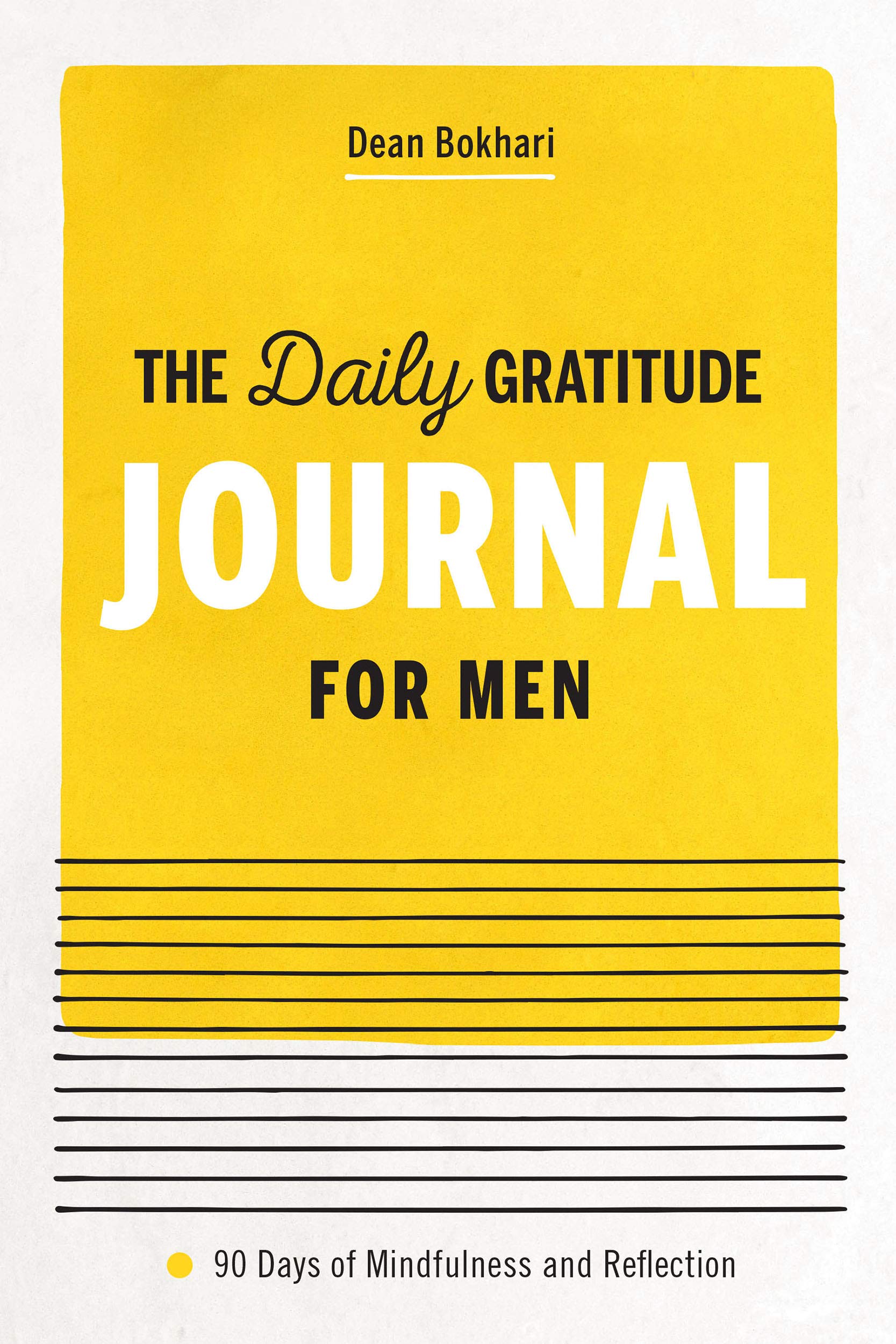
Gratitude Journal for men
BOOK LISTS
Free Self-Improvement Books + Guides
Popular guides
top podcasts

POPULAR SELF-DEVELOPMENT ARTICLES + PODCASTS:
The Ultimate Guide to Overcoming Lack of Motivation + Energy
10 Things to Remember if You Want to Do What You Love for a Living
7 Life-Changing Benefits of Weight Lifting
Design The Perfect Morning Ritual
Use Outcome Thinking To Get What You Want