Beyond Regular
E-Commerce: What Makes Online Pharmacies Unique
Collaborative Post
More than half of Americans now look to the internet to meet their prescription needs. In fact, 52% of US shoppers have found themselves buying medication from an online pharmacy, a clear signal that this whole digital healthcare thing is here to stay.
You can see why people are turning to online pharmacies. They're convenient and open 24/7. Plus, it's a lot easier to snag a good deal when you can shop around online for your prescriptions. In just a few clicks, you can buy the treatment you need. So, it's easy to think of online pharmacies as just another online store. But beneath that surface, the reality is actually pretty different.
The fact is, selling products that affect people's health is a whole different ball game from selling anything else. Online pharmacies have got privacy concerns and safety issues to consider. Here is why online pharmacies are not your generic e-commerce business.

A Business that Sells Life-Saving Treatments
Online pharmacies are selling access to treatments that many customers rely on daily to manage chronic conditions, recover from illness, or maintain quality of life. That alone creates a clear divide between pharma e-commerce and standard online retail. If an online pharmacy goes offline, the consequences can be serious.
This is why uptime, reliability, and system resilience are non-negotiable in the pharmaceutical space. Online pharmacies must ensure their platforms remain accessible, secure, and fully operational even when unexpected issues arise.
Having an effective emergency recovery plan in place is essential for any pharmacy operating online. An emergency recovery plan outlines what happens if systems go down, how quickly issues are identified, and the exact steps required to restore operations safely. It also defines responsibilities, communication protocols, and backup processes to ensure continuity of care.
Protecting Customer Data
Every e-commerce holds confidential data, including names and payment data. But online pharmacies have access to prescription histories, prescription medication types, and additional sensitive health-related information. This is where HIPAA really starts to matter for pharma e-commerce operations.
When it comes to online pharmacies, HIPAA compliance requires an entire secure system from the ground up. That includes payment processing, as transactions often get tied up with prescription info, so your payment systems have to step up to the regulatory plate, too. This is why getting a pharmacy merchant account that's been built specifically for this purpose is a must for online pharmacies. These special merchant accounts are designed to tie into HIPAA compliance requirements.
Standard e-commerce shops, by comparison, have generic payment processors that do not need to meet these regulatory obligations.
Why Online Pharmacies Can’t Work With Regular E-commerce Influencers
Influencer marketing may be a staple of e-commerce presence, but at the level where online pharmacies operate, they need to be more cautious about their partnerships.
Medications and health-related products need careful communication. They can’t be promoted through casual or exaggerated statements for engagement. At this level, all claims need to be accurate, compliant, demonstrable (if required), and also responsible. So, while online pharmacies can promote their online presence, they should ensure they work with reputable, qualified partners who understand the regulatory needs of this sector.
The bottom line: Selling products online may be the definition of e-commerce, but not all e-commerce shops are the same. So, if you’ve ever considered starting an online pharmacy to support your local community, it’s important to understand that it will take more than just setting a website up.
—End of Collaborative Post—
Free self-development courses
👇
 |
 |
Free life guides
👇




Best-selling Self-development courses by Dean Bokhari
Kill procrastination.
|
Get motivated.
|
Connect with anyone.
|


freshly pressed:
Top Audiobooks narrated by Dean Bokhari on audible | |


Book summaries
- The Power of Habit by Charles Duhigg
- 12 Rules for Life by Jordan B. Peterson
- Presence by Amy Cuddy
- Leaders Eat Last by Simon Sinek
- The ONE Thing by Gary Keller, Jay Pasan
- Deep Work by Cal Newport


NAV

listen + subscribe




Overcome fear, beat procrastination, and accomplish your greatest goals with this 30-day success program by Dean Bokhari.
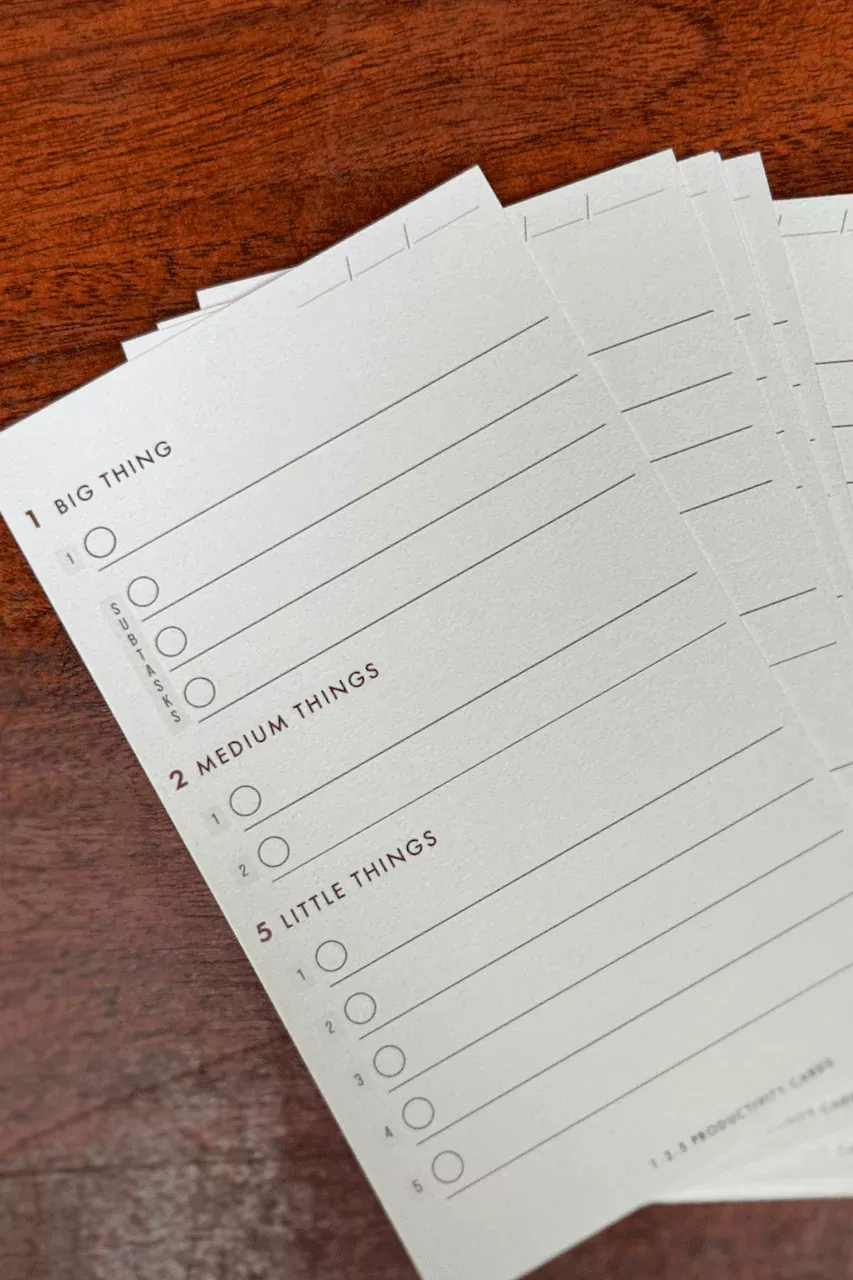
1-2-5 Daily Productivity Cards.
Gratitude Journal for men

BOOK LISTS
Free Self-Improvement Books + Guides
Popular guides
top podcasts




POPULAR SELF-DEVELOPMENT ARTICLES + PODCASTS:
The Ultimate Guide to Overcoming Lack of Motivation + Energy
10 Things to Remember if You Want to Do What You Love for a Living
7 Life-Changing Benefits of Weight Lifting
Design The Perfect Morning Ritual
Use Outcome Thinking To Get What You Want