6 Career Options for Those That Want to Help The Environment
Collaborative Post
If you want a career that helps the environment, you probably want something practical. Something where you can see the results of what you do rather than just talking about change. The good news is there are plenty of roles where you can make a difference without needing to completely retrain your life or live on passion alone. These are jobs where you’re actively reducing damage, improving safety, or helping people make better long term choices.

Environmental consultant
If you like problem solving, you could look at becoming an environmental consultant. Your role would be to help businesses and developers make smarter decisions before issues turn into expensive mistakes. That might mean reducing waste, improving sustainability, or meeting environmental regulations properly. You are essentially helping people do things the right way from the start, which is where the biggest environmental impact usually comes from.
Mold specialist
If you want a more specialised route, you could look into working as a mold specialist. Mold issues affect air quality, property safety, and health, especially in poorly ventilated buildings. Getting a mold certification allows you to identify and address these problems early. That means protecting people while also stopping damage that would otherwise lead to costly repairs and wasted materials. Not only do mold specialists help the environment, but you could save a lot of people from getting sick too.
Renewable energy technician
If you prefer hands on work, your best bet might be renewable energy. As a technician, you would be installing and maintaining systems like solar panels or wind equipment. Every job you complete helps reduce reliance on fossil fuels and lowers long term emissions. It is practical work with visible results, and demand for these roles keeps growing, which makes it a solid option for long term stability.
Environmental health officer
If you want to protect both people and the environment, you could consider environmental health work. In this role, you would be dealing with housing conditions, pollution issues, waste management, and safety standards. Your day to day work would focus on preventing problems that affect health and wellbeing. It suits people who like structure, inspections, and knowing their decisions genuinely matter.
Building inspector
If you are interested in how buildings work, becoming a building inspector could be a good fit. You would be checking that properties meet safety and efficiency standards, including ventilation, insulation, and moisture control. Poor building practices lead to waste and health issues, so your work helps prevent long term environmental damage. It is a role where attention to detail really counts.
Conservation worker
If you would rather work outdoors, conservation work could be the right path. You might be managing land, restoring habitats, or protecting wildlife. These roles are more physical and suit people who enjoy being outside rather than behind a desk. Some positions are seasonal, but others offer steady work through councils or environmental organisations.
Careers that help the environment are about doing work that feels useful. If you want a job where your effort actually improves things, these paths are worth exploring.
—End of collaborative post—
Free self-development courses
👇
 |
 |
Free life guides
👇



Best-selling Self-development courses by Dean Bokhari
Kill procrastination.
|
Get motivated.
|
Connect with anyone.
|
freshly pressed:
Top Audiobooks narrated by Dean Bokhari on audible | |
Book summaries
- The Power of Habit by Charles Duhigg
- 12 Rules for Life by Jordan B. Peterson
- Presence by Amy Cuddy
- Leaders Eat Last by Simon Sinek
- The ONE Thing by Gary Keller, Jay Pasan
- Deep Work by Cal Newport
NAV

listen + subscribe



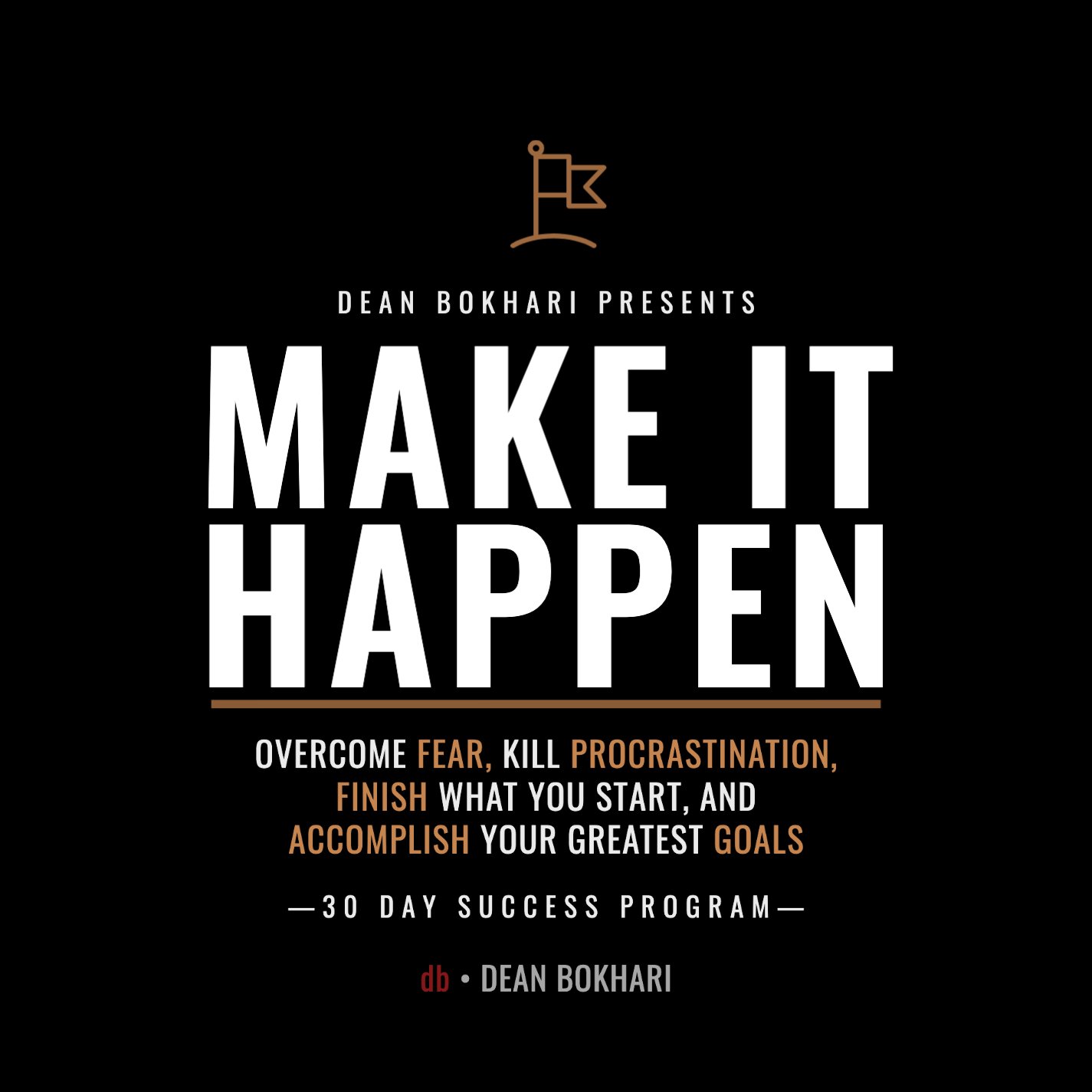
Overcome fear, beat procrastination, and accomplish your greatest goals with this 30-day success program by Dean Bokhari.
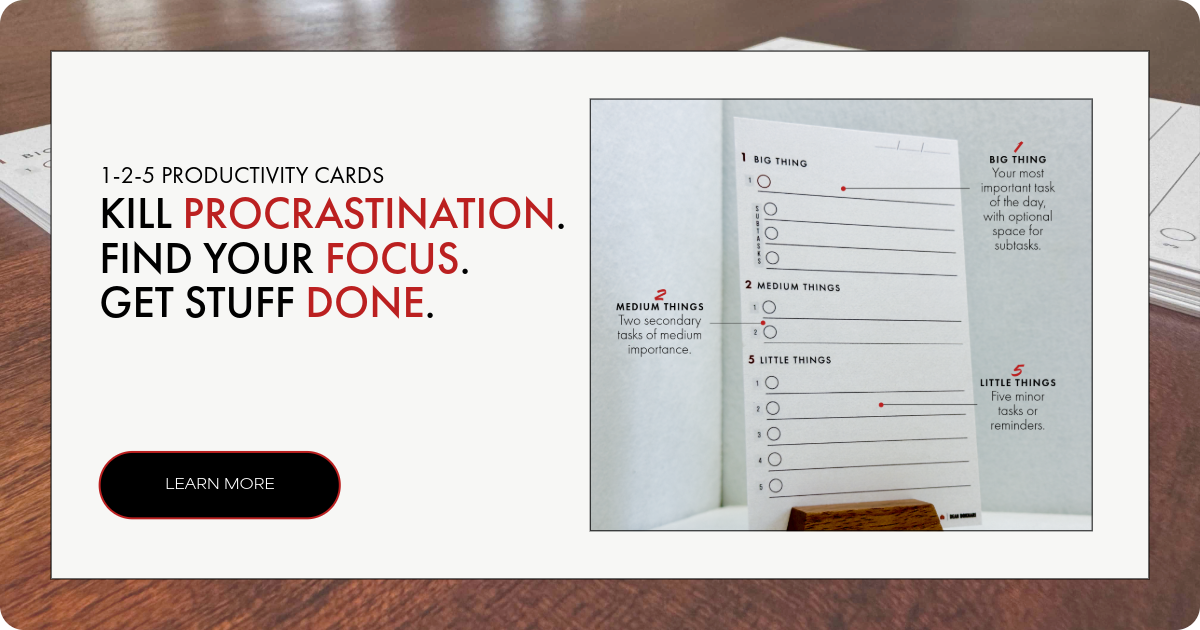
1-2-5 Daily Productivity Cards.

Gratitude Journal for men
BOOK LISTS
Free Self-Improvement Books + Guides
Popular guides
top podcasts

POPULAR SELF-DEVELOPMENT ARTICLES + PODCASTS:
The Ultimate Guide to Overcoming Lack of Motivation + Energy
10 Things to Remember if You Want to Do What You Love for a Living
7 Life-Changing Benefits of Weight Lifting
Design The Perfect Morning Ritual
Use Outcome Thinking To Get What You Want