From Side Hustle to Credible
Health Care Business: The Certification Roadmap Every Wellness Entrepreneur
Needs
Contributed by Beth Rush
Your wellness side hustle can feel legit as it grows until a client questions your credentials. Without a solid answer, this can create an awkward situation that may cost you your client. You need a roadmap that helps you choose the right fitness certification and then stack smart add-ons so you become credible to clients and partners and healthcare-adjacent orgs.
From Side Hustle to Credible Health Care Business
If you want to build a wellness business that is credible and solid, you need a real plan. Start with the right certification and then build simple systems that help people trust you faster.
Why Certification Changes the Game
When you’re building a wellness business, you’re selling results and reassurance. People want to feel safe with you. Certification helps with that because it signals structure and baseline competence, even to someone who doesn’t know the industry.
It also changes how others treat your business. A certified pro is easier to refer to, partner with, list on a directory or invite into a corporate wellness setup. It also gives you boundaries. You become clearer on what to do and what not to do, so you can avoid awkward moments with clients. In addition, these might help you avoid overpromising anything to your clients.
If you’re aiming for credibility in any health-adjacent space, a fitness certification might be the simplest first step.
Choose Your Certification Roadmap Based on What You Actually Do
Before you pick a program, take a moment and look at your day at work. Are you designing workouts, coaching habits, teaching basic health care education or running group sessions? The best certification roadmap matches your actual service so you don’t end up qualified for a job you don’t want.
Scope is the line that keeps you professional. It protects your clients and yourself, too. If your work is training and movement-focused, choose credentials that support programming assessment and safe progression. If your work leans into mindset, nutrition habits or stress management, then pick a route that trains you in coaching skills and behavior change.
Clients do not evaluate certifications the way professionals do. They look for simple signals, like whether or not you did an exam, if it requires continuing education and if the program has standards and oversight. This helps clients trust you during their sessions.
Your niche is important because different populations come with different risk levels and expectations. For example, training younger athletes is different from training their older counterparts. Group classes are different from one-on-one coaching. Online programs need extra clarity because clients cannot rely on the gym environment to keep them safe. Pick a certification path that supports how you deliver your service. Otherwise, you end up constantly translating your credentials into your actual work, which can get tiring.
Stack Smart Add-Ons
Once your base credential is set, you can add a few strategic pieces that make your business easier to trust and work with. Start with the uninteresting stuff. Liability coverage, a client agreement that explains expectations and limits, a clear waiver, and a simple and informed consent note for programs that push intensity or include health history are all great examples of this.
Also, decide how you handle red flags like dizziness, chest pain, uncontrolled blood pressure, pregnancy considerations and recent injury. You’re not diagnosing here, you’re deciding where to pause and refer out.
Add some simple documentation to your process, too. Use an intake form that captures goals, current activity, injuries, medication and anything else that might affect training. Track basics like baseline measurements, session notes and progress markers, too. Privacy is of the utmost importance here, so lock your files, limit who can access client data and do not discuss clients in public spaces.
Protecting sensitive personal information is not just good practice; it’s often a legal requirement, especially when dealing with health-related data. Understanding these regulations is key to avoiding penalties and maintaining client trust. For businesses handling protected health information, being HIPAA-compliant means implementing specific safeguards for data storage, transmission, and access. This includes physical, administrative, and technical measures to prevent unauthorized disclosure and maintain data integrity, affecting everything from your intake forms to how you store progress notes.
If you plan to work with employers, health plans, clinics or health-adjacent organizations, you will encounter the word “accreditation” sooner than you think. It’s a formal signal that an organization meets a set of standards. In fact, accredited health care facilities tend to rely heavily on evidence-based processes to provide patient care. Understanding accreditation is helpful because partners may ask about it as you scale beyond direct-to-consumer offers.
Turn Credentials Into Revenue
Credentials help you earn trust, which you can translate into offers people actually buy and stick with. Otherwise, you end up collecting certifications like souvenirs.
Build an Offer Ladder That Fits Your Time
You want an entry point that feels easy to say “yes” to, so choose something like a paid assessment or goal mapping session. You need something simple that gives quick clarity. From here, you can build your core program. Most wellness businesses thrive on an eight to 12-week program because it gives enough time to see real change without feeling endless.
After that, add a maintenance option for people who want structure without weekly intensity. This might look like a monthly check-in, a lighter training plan or a small group session pack.
Create Referral-Friendly Messaging
Referral partners want a sentence they can repeat, so keep your messaging clean and brief. Who do you help? What outcome do you support? What do you not offer?
For example, your messaging could say something like, “I help adults who are getting back into exercise build strength and consistency without injury. I focus on safe programming and habit coaching. I refer out when medical issues need clinical care.” These structured, clear messages travel well and keep you out of trouble.
30-Day Certification Action Plan
Try achieving your wellness side hustle goals with a solid month-long plan. Here’s an example:
- Week one: Define your scope and niche and shortlist two or three certification options that match it.
- Week two: Choose one certification and enroll and block time on your calendar like it’s a client appointment.
- Week three: Build your intake form waiver and basic tracking.
- Week four: Update your bio, website and social platforms with your credentials in plain language, then reach out to five potential partners or referral sources with a short intro.
The Final Rep
You don’t “become” credible overnight. You build credibility in steps like a solid certification, a few smart add-ons, clear boundaries and simple documentation. Then offer something that matches your certification and what you love doing.
by Beth Rush • Managing Editor at Body+Mind
Free self-development courses
👇
 |
 |
Free life guides
👇
Best-selling Self-development courses by Dean Bokhari
Kill procrastination.
|
Get motivated.
|
Connect with anyone.
|
freshly pressed:
Top Audiobooks narrated by Dean Bokhari on audible | |

Book summaries
- The Power of Habit by Charles Duhigg
- 12 Rules for Life by Jordan B. Peterson
- Presence by Amy Cuddy
- Leaders Eat Last by Simon Sinek
- The ONE Thing by Gary Keller, Jay Pasan
- Deep Work by Cal Newport
NAV
listen + subscribe



Overcome fear, beat procrastination, and accomplish your greatest goals with this 30-day success program by Dean Bokhari.
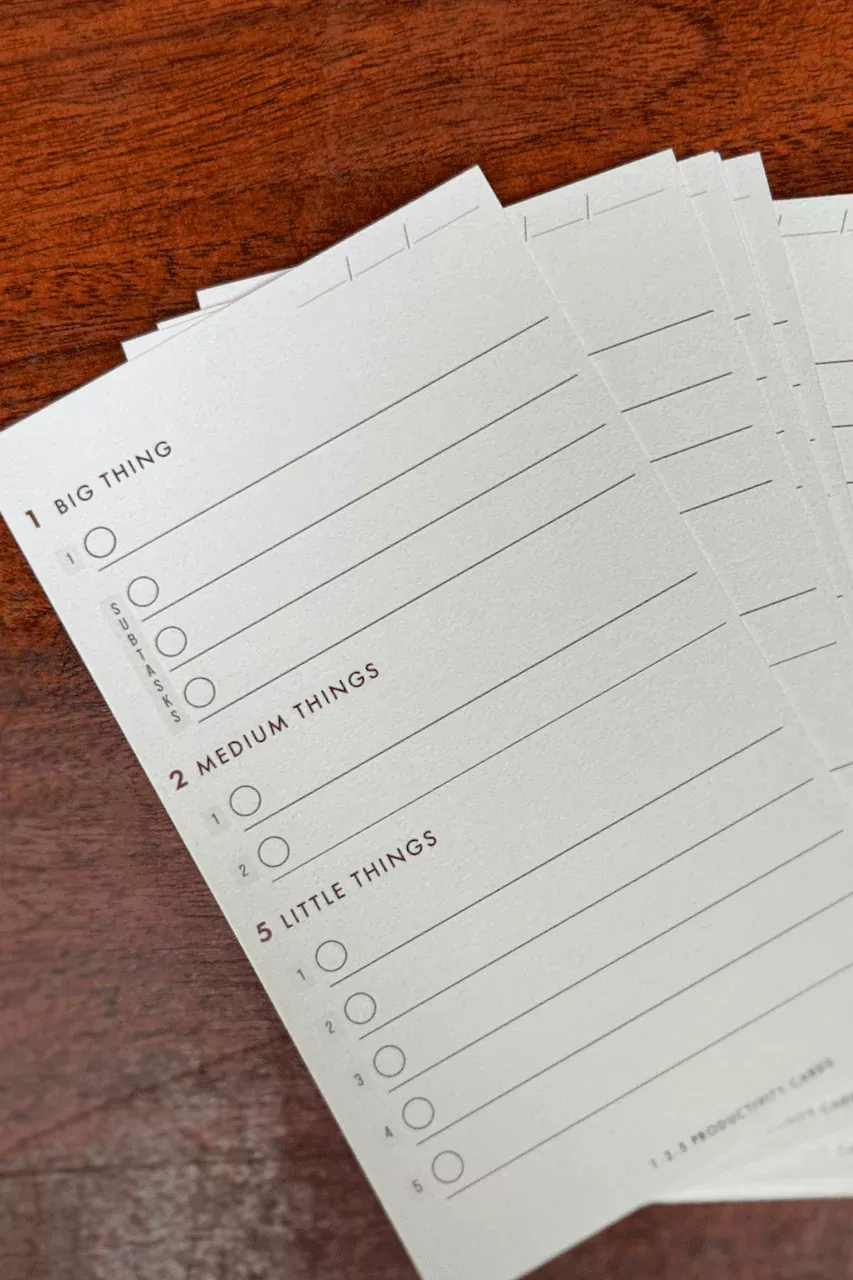
1-2-5 Daily Productivity Cards.
Gratitude Journal for men
BOOK LISTS
Free Self-Improvement Books + Guides
Popular guides
top podcasts

POPULAR SELF-DEVELOPMENT ARTICLES + PODCASTS:
The Ultimate Guide to Overcoming Lack of Motivation + Energy
10 Things to Remember if You Want to Do What You Love for a Living
7 Life-Changing Benefits of Weight Lifting
Design The Perfect Morning Ritual
Use Outcome Thinking To Get What You Want