Key Considerations When Designing A Safe Office Space
Collaborative Post
While many elements go into the design and construction of an effective office space, including productivity, motivation, and ergonomics, safety should always be a key priority, as well. To that end, you need to design your office with an eye on the potential risks that can arise and, more importantly, what you can do to mitigate them. Here, we’re going to take a closer look at some of the key considerations you need to keep in mind when planning or upgrading your office space.
Planning The Space
The office layout should be well-thought-out, not only to ensure productivity and efficiency across the space but to make for a safe working environment. For instance, you should ensure that pathways are easy to keep clear, desk arrangements are logical and give access to emergency routes, and that communal areas are free from clutter. These steps can help reduce the risk of trips, falls, and collisions. Accessibility is also key, so that all employees, including those with mobility needs, are able to navigate the space safely and without worrying about bumping into obstacles on the way. By designing with both efficiency and safety in mind, businesses can create a layout and reduce the threat of everyday hazards.
Define And Mark Your Escape Routes
As mentioned, your team should be able to access escape routes no matter where their desks might be situated. These routes need to be planned with precision, and should be clearly marked, with well-lit exit paths, that allow for quick and safe evacuation in an emergency. These routes should be as direct as possible, avoiding unnecessary turns or navigating around obstructions as best as possible. Emergency exits should also be easy to open and never blocked, with signage that’s visible even in low-light conditions. Just as important is that your team carries out evacuation drills routinely so that they get familiar with those escape routes and the safe yet practical way to access them and escape as a team.
Choosing Safe And Durable Materials
When you’re choosing materials for flooring, walls, fixtures, and furniture in your workspace, you should always choose them while asking yourself what kind of safety implications they might have. For instance, you might want to consider using fire-resistant materials for walls, ceilings, and floors to prevent the spread of flames. Flooring should also be chosen for its stability and non-slip qualities to reduce the risk of slips, trips, and falls, especially in high-traffic or spill-prone areas. Certified components, such as fire-rated door and window frames, can ensure that your structural elements provide that extra touch of reliability and security, as well. Selecting the right materials not only enhances safety but also improves the longevity and resilience of the workspace, meaning that you’re less likely to have to invest in replacements in the near future, at the very least.
Implement Effective Safety Infrastructure
Alongside the design of the office itself, you should also implement infrastructure that’s designed with safety in mind, first and foremost. Emergency lighting, fire alarms, smoke detectors, and clear communication systems should be placed strategically throughout the building, making sure that you’re able to cover the entire workspace and allow for quick response times. Emergency lighting, for instance, can help guide occupants to exits during power failures. These systems should all be routinely tested to make sure that they’re working and can be relied on when an actual emergency hits your office. Consider how you implement them from the beginning, while designing your office, instead of an afterthought, to make sure that they work as effectively as possible.
Providing The Equipment To Help Mitigate Threats
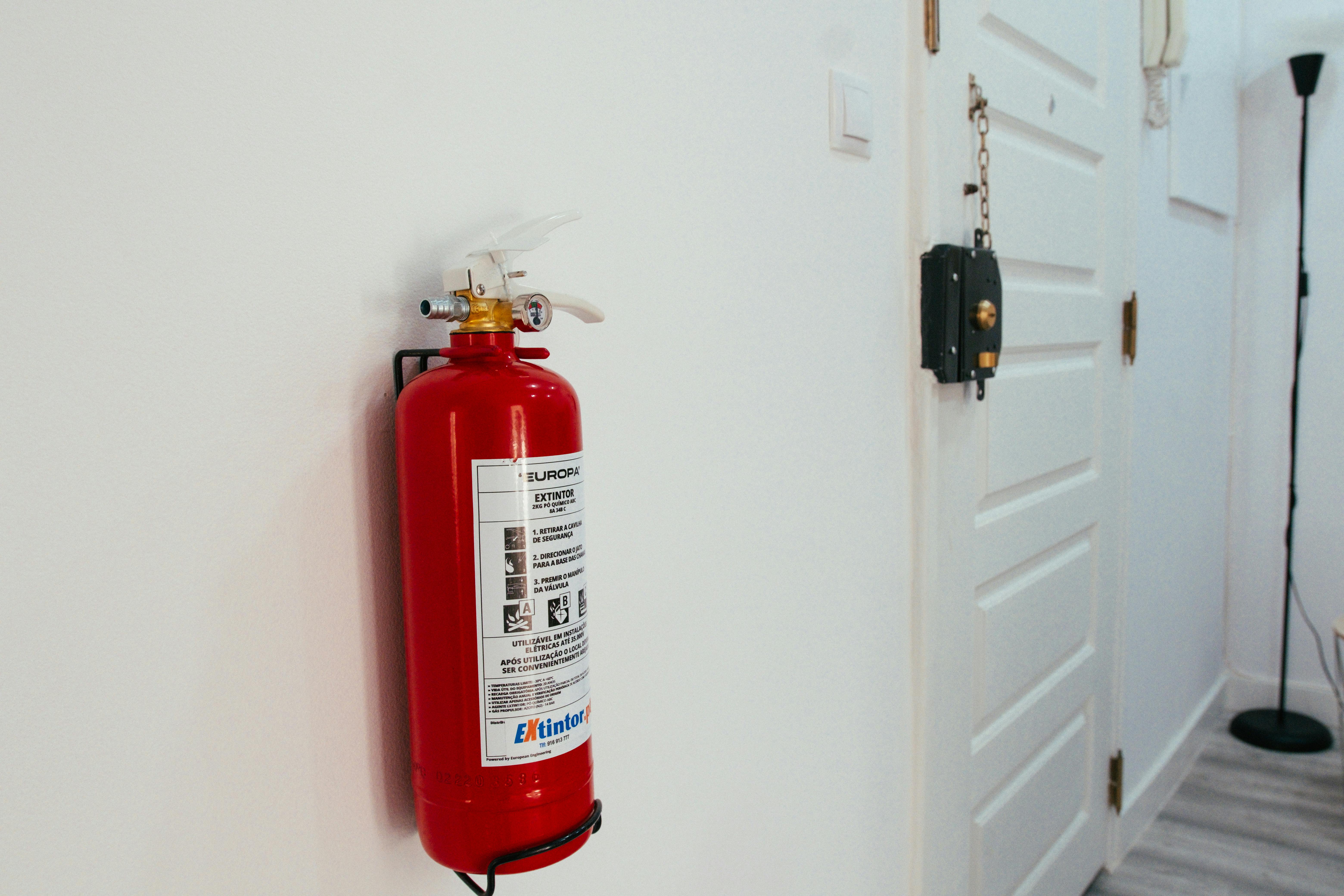
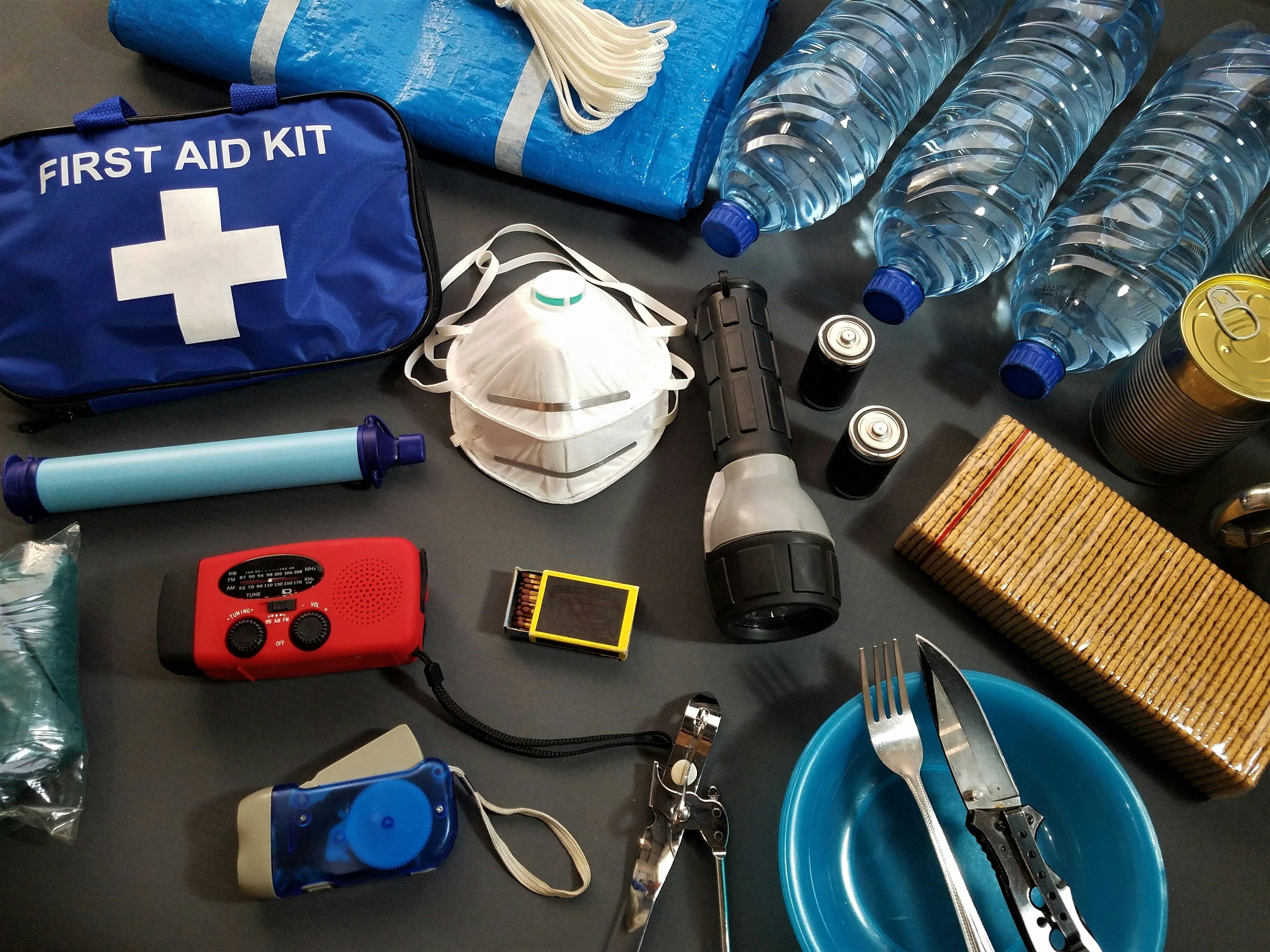
While the priority should be moving your team members away from the risks and towards safety, this doesn’t mean that they can’t play an active role in managing threats in the workplace, as well. For instance, you should make sure that they are given access to fire safety equipment such as fire extinguishers and blankets, and trained in their use so that they might be able to contain potential threats before they become major incidents. Providing first aid kits and training in the workplace can also help them play a role in providing immediate treatment for anyone injured while you’re waiting for the emergency services.
Accessibility And inclusivity
It’s often easy for some priorities to slide lower in your mind when you’re considering such major questions, such as how to maintain a safe workplace. However, safety should be accessible to everyone, which means considering the needs of workers with disabilities or mobility challenges. When you’re designing safety features such as escape routes, you may need to consider ramps and wide doorways for ease of movement. Fire safety and first aid equipment should be situated in places where it’s easier for all employees to be able to reach them. You might even want to consider using both visual and auditory alarms so that people with different sensory needs are able to respond appropriately when there’s an emergency in the workplace.
Creating A Culture Of Safety
While the right workplace designs and installations can legitimately make a huge difference in how safe your employees are, you should not rely on them alone. You need a culture of safety that includes routine training, briefings, and general awareness of risks in the workplace. For instance, your team should be trained to recognize the signs of fires, dangerous equipment faults, and other workplace hazards so that they can address them with you, restoring the safety of the workplace. Equally important is regularly inspecting the equipment, infrastructure, and building features that are designed to help keep the workplace safe. Making sure that all equipment works as it should and highlighting any changing needs can make sure you’re always doing your best to maintain the safety of the workplace.
Designing a safe office space means taking on a comprehensive approach, implementing thoughtful planning, investing in high-quality materials, and choosing the right safety systems ot mitigate risks. You want to create a workplace that not only meets regulatory requirements but also gives your team real peace of mind. The best office fit-out companies will seamlessly blend aesthetics and safety, so, providing you pick a reputable designer, you shouldn’t have any problems (just make sure you choose carefully).
—End of collaborative post—
Free self-development courses
👇
 |
 |
Free life guides
👇



Best-selling Self-development courses by Dean Bokhari
Kill procrastination.
|
Get motivated.
|
Connect with anyone.
|


freshly pressed:
Top Audiobooks narrated by Dean Bokhari on audible | |

Book summaries
- The Power of Habit by Charles Duhigg
- 12 Rules for Life by Jordan B. Peterson
- Presence by Amy Cuddy
- Leaders Eat Last by Simon Sinek
- The ONE Thing by Gary Keller, Jay Pasan
- Deep Work by Cal Newport




NAV

listen + subscribe




Overcome fear, beat procrastination, and accomplish your greatest goals with this 30-day success program by Dean Bokhari.
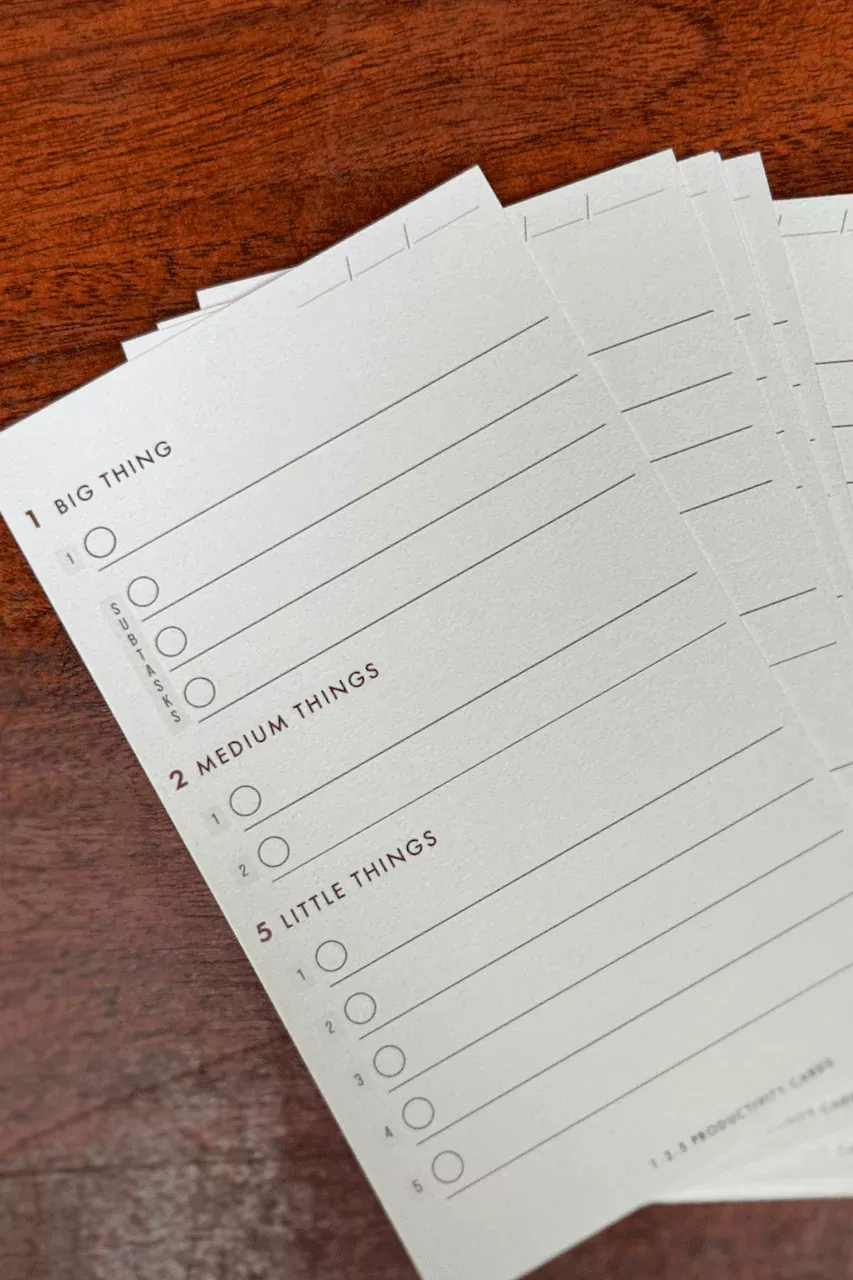
1-2-5 Daily Productivity Cards.
Gratitude Journal for men

BOOK LISTS
Free Self-Improvement Books + Guides
Popular guides
top podcasts






POPULAR SELF-DEVELOPMENT ARTICLES + PODCASTS:
The Ultimate Guide to Overcoming Lack of Motivation + Energy
10 Things to Remember if You Want to Do What You Love for a Living
7 Life-Changing Benefits of Weight Lifting
Design The Perfect Morning Ritual
Use Outcome Thinking To Get What You Want