Legal Contracts In Business: 6 Checks To Make Before You Sign
Collaborative Post

Signing contracts can feel like a routine in some lines of work, but it’s important to not get too complacent and forget to check exactly what you’re agreeing to. Whether you’re entering a commercial lease or closing a big client deal, you need to make sure that you review the fine print - it could be very expensive and stressful later down the line if you don’t. Below are six essential checks to make before you sign on the dotted line.
Confirm the parties and scope of work
Start by making sure that the legal names and addresses of all parties are correct and complete (there have been cases of parties being able to legally break contract terms simply because a name was misspelled). Once you’ve done this, look at what work is being promised and check timelines and milestones. Make sure that any deliverables are clearly defined and measurable - be wary of vague language like ‘to be determined’ or ‘at a later date’ which could cause major disputes in the future.
Understand payment terms and additional fees
Don’t get caught out by hidden fees. Dig into the money details by checking the total cost and how it's calculated, accepted payment methods and what the payment schedule is (upfront, monthly, on completion etc.). Pay close attention to late fees and penalties - some contracts include steep charges, compounding interest or aggressive collection clauses even if a payment is delayed by a day.
Clarify termination rights
Hopefully, you won’t need to terminate the contract early, but just in case - what are your rights? It’s important to check what grounds are acceptable for terminating the contract, what notice period you may have to provide and what termination fees you are entitled to pay. Be wary of contracts that tie you in for many years and charge huge fees for leaving early.
Review risk and liability
Many contracts will try to shift risk onto another party. Check indemnity clauses outlining who is responsible for damages or reparations if something goes wrong. A ‘force majeure’ clause is something worth looking into - this covers what happens in events beyond anyone’s control such as natural disasters, pandemics or war.
Check key dates and renewal terms
You should also consider start dates, renewal terms and options to extend - missing these could cost you money and trap you in an unwanted agreement. For complex long-term deals like commercial leases, it might be worth using a lease abstracting service to pull out these critical dates. This could help you to stay on top of renewals and avoid price changes or rent escalations.
Get a professional review and ask questions
Some contracts are full of complex legal jargon that can be hard to understand. Don’t be too shy to ask what a certain clause may mean if you are uncertain. You could even consider asking a lawyer to review the contract for you - especially if it’s a very lengthy one. Being able to condense key information and put things in layman’s terms could be important, so that you don’t accidentally agree to something you regret.
—End of collaborative post—
Free self-development courses
👇
 |
 |
Free life guides
👇
Best-selling Self-development courses by Dean Bokhari
Kill procrastination.
|
Get motivated.
|
Connect with anyone.
|
freshly pressed:
Top Audiobooks narrated by Dean Bokhari on audible | |
Book summaries
- The Power of Habit by Charles Duhigg
- 12 Rules for Life by Jordan B. Peterson
- Presence by Amy Cuddy
- Leaders Eat Last by Simon Sinek
- The ONE Thing by Gary Keller, Jay Pasan
- Deep Work by Cal Newport
NAV

listen + subscribe



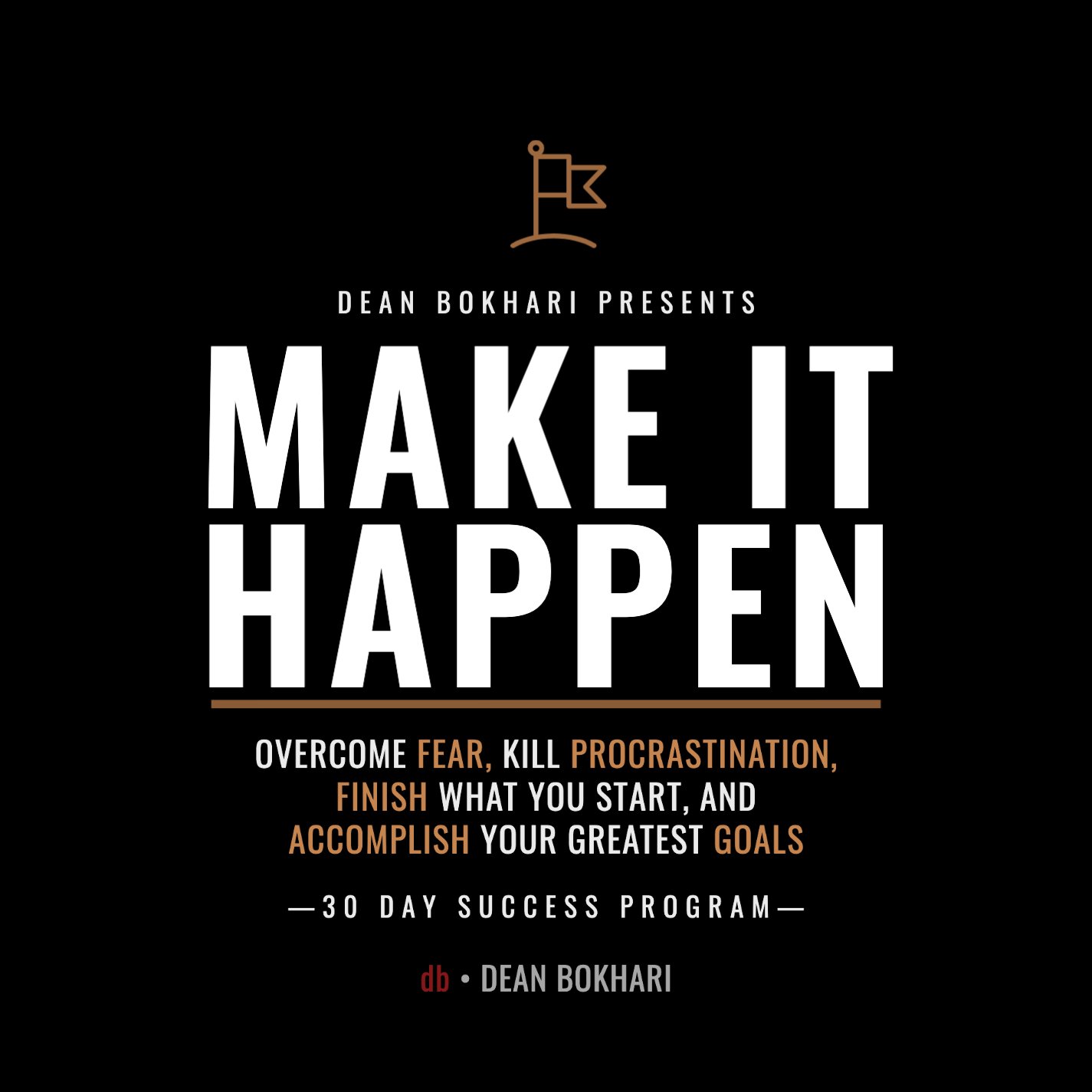
Overcome fear, beat procrastination, and accomplish your greatest goals with this 30-day success program by Dean Bokhari.
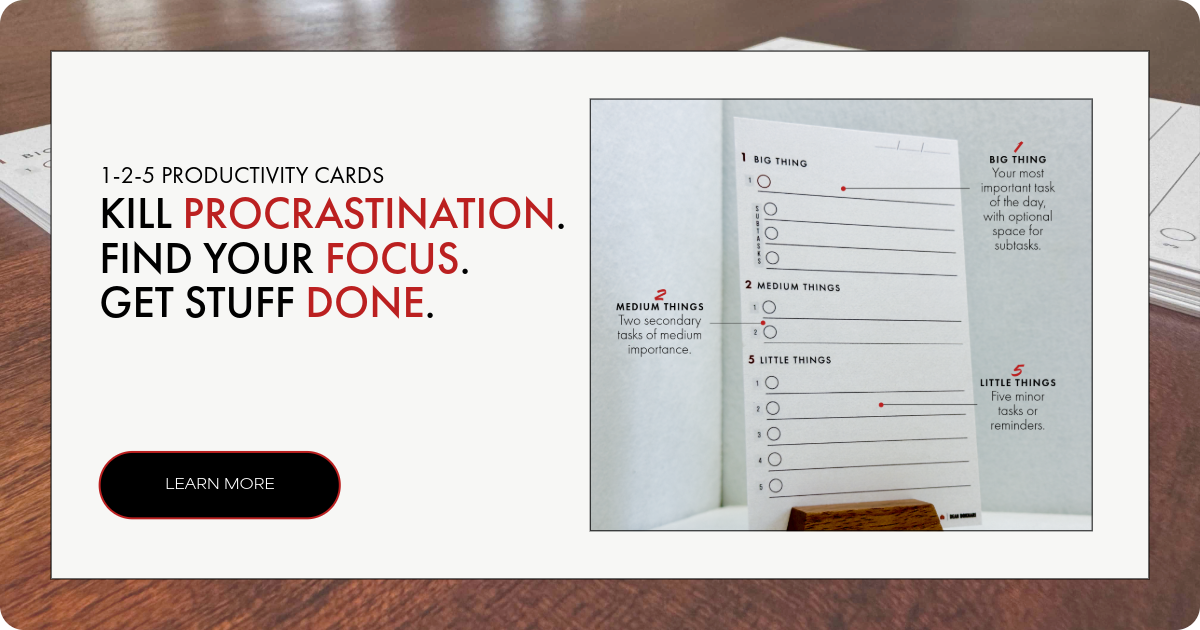
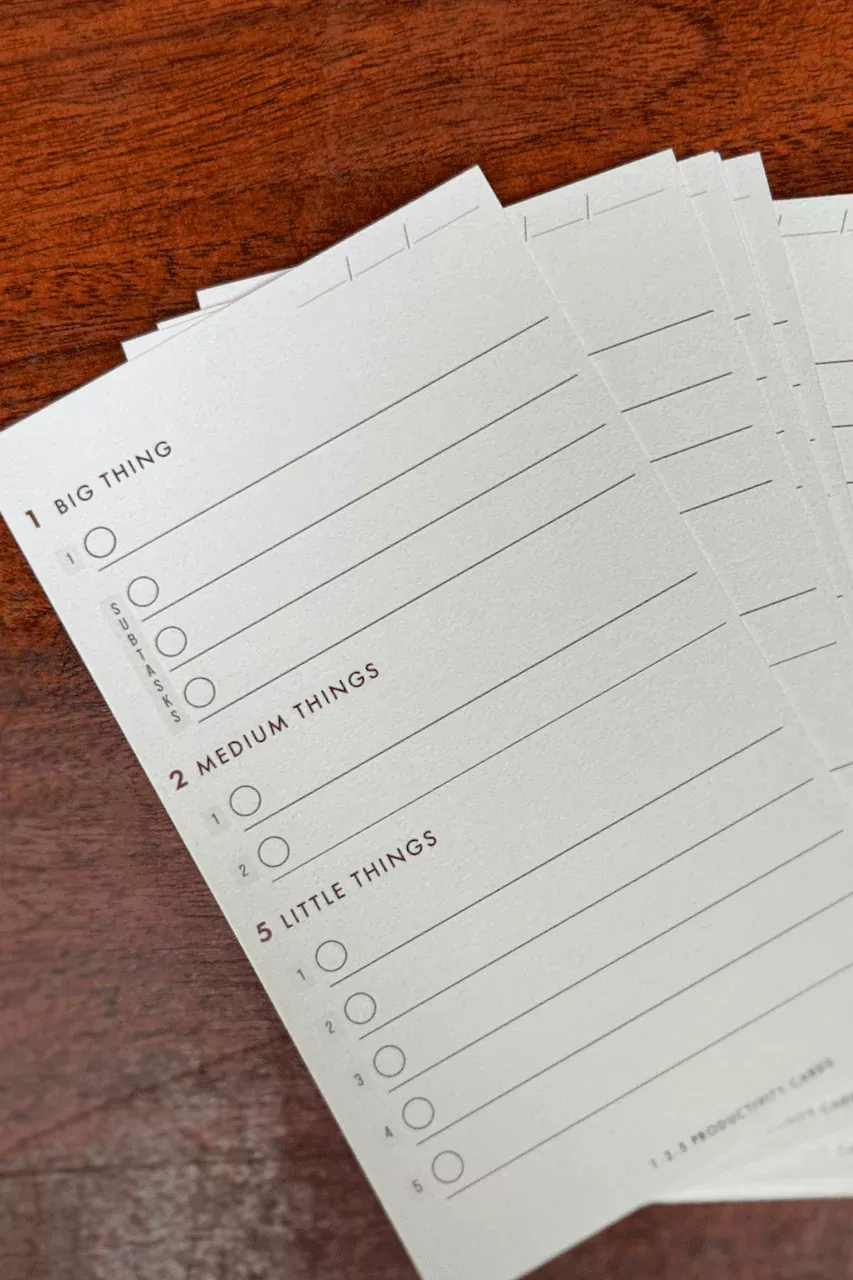
1-2-5 Daily Productivity Cards.
Gratitude Journal for men
BOOK LISTS
Free Self-Improvement Books + Guides
Popular guides
top podcasts



POPULAR SELF-DEVELOPMENT ARTICLES + PODCASTS:
The Ultimate Guide to Overcoming Lack of Motivation + Energy
10 Things to Remember if You Want to Do What You Love for a Living
7 Life-Changing Benefits of Weight Lifting
Design The Perfect Morning Ritual
Use Outcome Thinking To Get What You Want