The Real Reason Your Production Lines Lose Speed
Collaborative Post
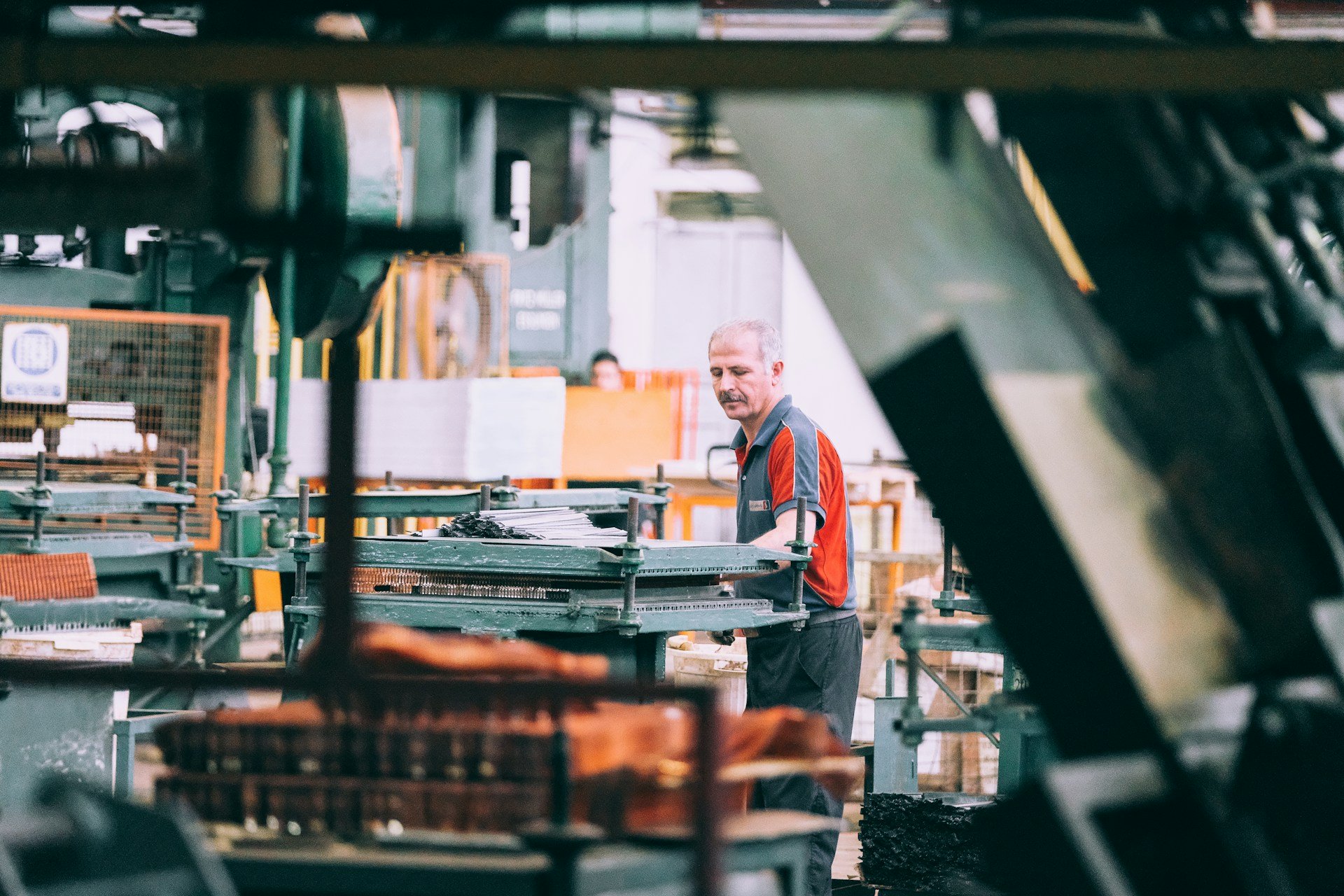
Image credit: Unsplash
Production lines rarely lose speed because of one dramatic failure. More often, output falls through a series of small interruptions: a slow material feed, an inconsistent cooling cycle or a few extra seconds spent checking each part. Those seconds can reduce daily capacity, increase labor cost per unit and push orders behind schedule. The best response is to measure the full production cycle, identify recurring constraints and fix the process at the point where time is actually being lost.
Small Delays Compound Quickly
A five-second delay may appear harmless until it repeats across thousands of cycles. At 3,000 cycles per shift, those five seconds represent more than four hours of lost machine time. That effect becomes even more expensive when the delay also keeps operators and downstream equipment waiting.
The same principle behind the compound effect applies on the factory floor: small repeated changes can produce a much larger result over time. Looking for small operational improvements can therefore be more valuable than waiting for one major efficiency breakthrough.
Reducing production cycle times can also lower costs and improve delivery performance when those savings are repeated across high-volume runs.
Record actual cycle times by shift and product. Then compare the fastest stable run with the average, looking for frequent small gaps instead of focusing only on major stoppages.
Where Cycle Times Stall
Break the cycle into separate stages so you can see where time accumulates. For an injection molding line, that could include material feeding, filling, holding, cooling, mold opening and part removal. A single average cycle time hides which stage varies.
Late material delivery, equipment problems, quality defects and poor production planning are all common causes of production delays because each one interrupts the planned flow of work.
Track the duration and frequency of every stop for at least a week. Group each event by cause, shift and product. If cooling time varies by eight seconds on one mold while material changes cause one longer weekly stop, the repeated cooling issue may cost more total capacity.
Invest in High Precision Tooling
Equipment must hold repeatable pressure, temperature and movement settings if a line is expected to run quickly without creating excess scrap. Variability forces operators to slow the process, extend cooling time or perform extra inspections. Those workarounds protect quality temporarily, but they also hide the equipment constraint.
When production volume justifies new machinery, compare suppliers using part-specific requirements. Manufacturers producing thin-wall packaging, pails, PET preforms, household products or irrigation components can review high-speed and specialized molding equipment at npcinjection.com.
Ask potential suppliers to document cycle stability, energy use, control accuracy and maintenance access. A short demonstration run has limited value, so request results across a sustained production period using material and tooling that closely match your planned application.
Protect Your Margin at Scale
Faster production helps only when the process continues to meet quality standards. Pushing a machine beyond a stable operating window can raise defect rates, increase rework and create unplanned maintenance. Measure good units per hour, since total units alone can make an unstable line look productive.
Set a baseline for cycle time, scrap rate, energy use and downtime before changing equipment or process settings. After each adjustment, compare those figures over several shifts. For example, a three-second cycle reduction has little value if scrap rises from 1% to 4%.
Review the numbers again when order volume, resin type or mold design changes. A line that performed well on one product may develop a different constraint on the next. The most useful target is a repeatable cycle that produces sellable parts at the planned rate. Once that figure improves without raising defects or downtime, the recovered seconds begin contributing directly to margin.
—End of collaborative post—
Free self-development courses
👇
 |
 |
Free life guides
👇



Best-selling Self-development courses by Dean Bokhari
Kill procrastination.
|
Get motivated.
|
Connect with anyone.
|


freshly pressed:

Top Audiobooks narrated by Dean Bokhari on audible | |


Book summaries
- The Power of Habit by Charles Duhigg
- 12 Rules for Life by Jordan B. Peterson
- Presence by Amy Cuddy
- Leaders Eat Last by Simon Sinek
- The ONE Thing by Gary Keller, Jay Pasan
- Deep Work by Cal Newport





NAV

listen + subscribe



Overcome fear, beat procrastination, and accomplish your greatest goals with this 30-day success program by Dean Bokhari.
1-2-5 Daily Productivity Cards.

Gratitude Journal for men

BOOK LISTS
Free Self-Improvement Books + Guides
Popular guides
top podcasts





POPULAR SELF-DEVELOPMENT ARTICLES + PODCASTS:
The Ultimate Guide to Overcoming Lack of Motivation + Energy
10 Things to Remember if You Want to Do What You Love for a Living
7 Life-Changing Benefits of Weight Lifting
Design The Perfect Morning Ritual
Use Outcome Thinking To Get What You Want