The Case for Short-Term Professional Credentials
Collaborative Post

Image Credit: Unsplash
A four-year degree remains valuable for many careers, but it’s no longer the only credible route into skilled professional work. Short-term credentials can help career changers, recent graduates and working adults build job-specific abilities on a practical timeline.
The strongest programs focus on defined roles, measurable skills and realistic employment outcomes. For students who can’t pause work or family responsibilities for several years, that narrower approach may offer a more manageable path toward a new position.
Rethinking the Traditional Four-Year Path
Traditional degrees provide broad academic development and remain necessary in fields with licensing or advanced education requirements. Still, the cost and time commitment can exceed what some learners need for an entry-level career move. A person seeking administrative work in healthcare, for example, may benefit more immediately from training in billing systems, coding procedures and electronic records.
The wider discussion about modern higher education credentials reflects growing demand for flexible options. Before enrolling, define your intended role and check several current job postings. If employers consistently request a focused set of technical skills, a shorter program may address that need directly.
Speed and Specificity in Modern Hiring
Employers often screen applicants for abilities they can apply quickly, especially in administrative and technical positions. Short-term programs respond to that practice by concentrating instruction around specific workflows, software and industry terminology. The research on short-term digital credentials also shows why program quality and connections to actual jobs deserve close scrutiny.
Specificity matters as much as speed. An eight-month program can be useful when its curriculum reflects the daily tasks of a defined occupation. In California, for instance, online business management education focused on medical office work can prepare students for billing, coding, insurance processing and electronic health record responsibilities without direct patient care. That clear occupational connection gives prospective students something concrete to evaluate.
Targeted Business Management Education
Business operations vary across industries, so broad management theory doesn’t always meet an entry-level worker’s immediate needs. Targeted education can teach how a particular workplace handles records, scheduling, payments and regulatory documentation. In a medical office, accuracy affects claim processing, internal coordination and the handling of sensitive information.
Look for assignments that resemble actual work. Students might practice entering information into simulated records, reviewing billing codes or correcting an insurance form with missing details. These exercises help build both technical skill and careful work habits.
Ask admissions staff which roles the curriculum supports and what software students use. A clear answer should name relevant tasks and tools, not rely on vague promises about career readiness.
How to Vet Accelerated Programs
Start with evidence that the program operates legitimately and communicates its requirements clearly. Review institutional approval or accreditation information, total tuition, technology costs and refund policies. Confirm the expected weekly workload as well. “Online” may still involve scheduled classes, firm assignment deadlines or required live sessions.
Then examine the curriculum course by course. Use this short checklist:
- Compare course topics with at least 10 current job postings
- Ask how instructors assess practical skills
- Request completion and employment outcome data
- Confirm which student support services are available
- Find out whether credits can transfer, if future study matters to you
Be cautious when a school guarantees employment or avoids direct questions about costs and outcomes. A credible accelerated program should explain what it teaches, how long it takes and what graduates are prepared to do. The best final test is simple: you should be able to connect each major course to a responsibility listed in the jobs you plan to pursue.
—End of collaborative post—
Free self-development courses
👇
 |
 |
Free life guides
👇

Best-selling Self-development courses by Dean Bokhari
Kill procrastination.
|
Get motivated.
|
Connect with anyone.
|
freshly pressed:
Top Audiobooks narrated by Dean Bokhari on audible | |

Book summaries
- The Power of Habit by Charles Duhigg
- 12 Rules for Life by Jordan B. Peterson
- Presence by Amy Cuddy
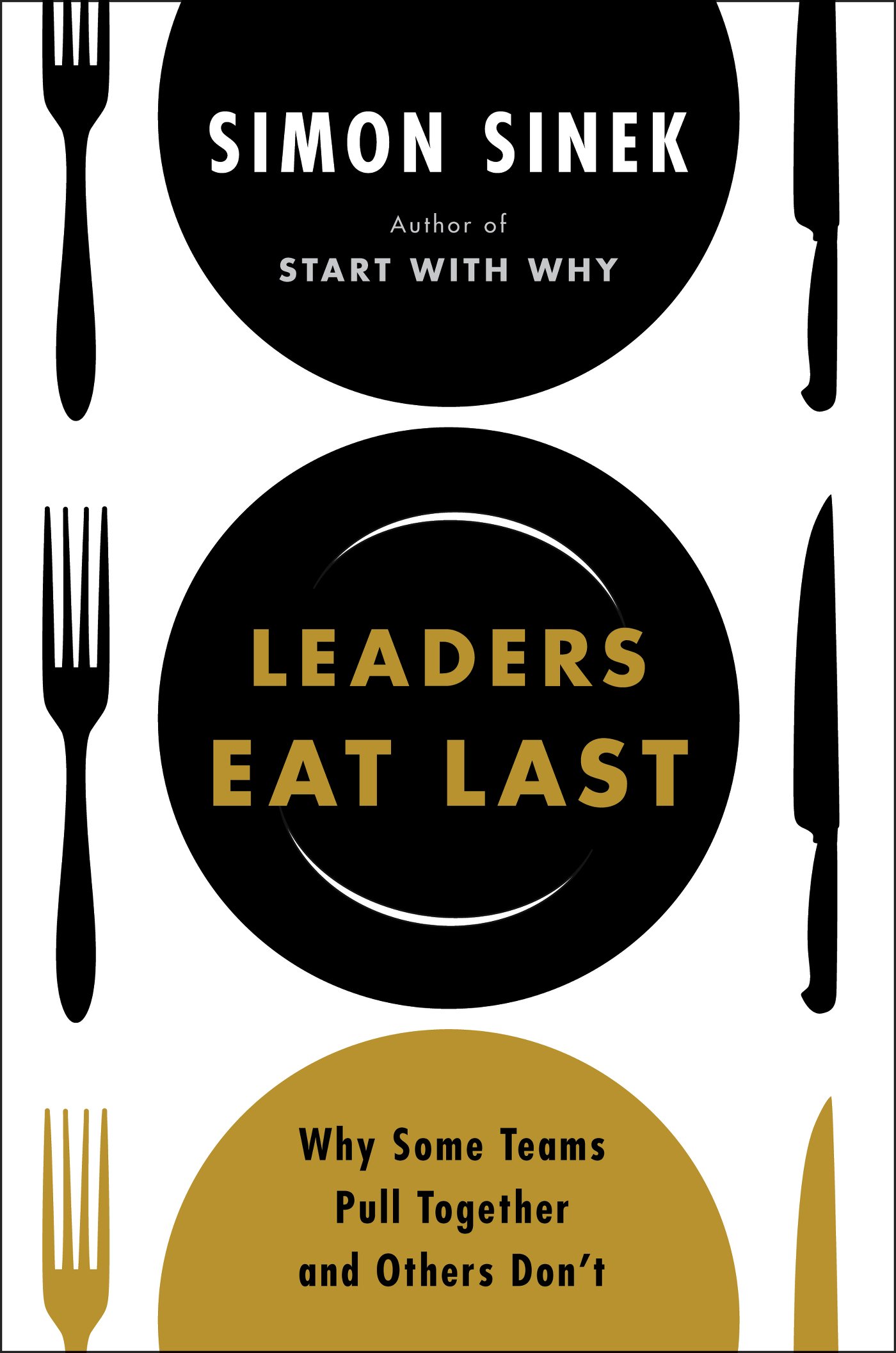
- Leaders Eat Last by Simon Sinek
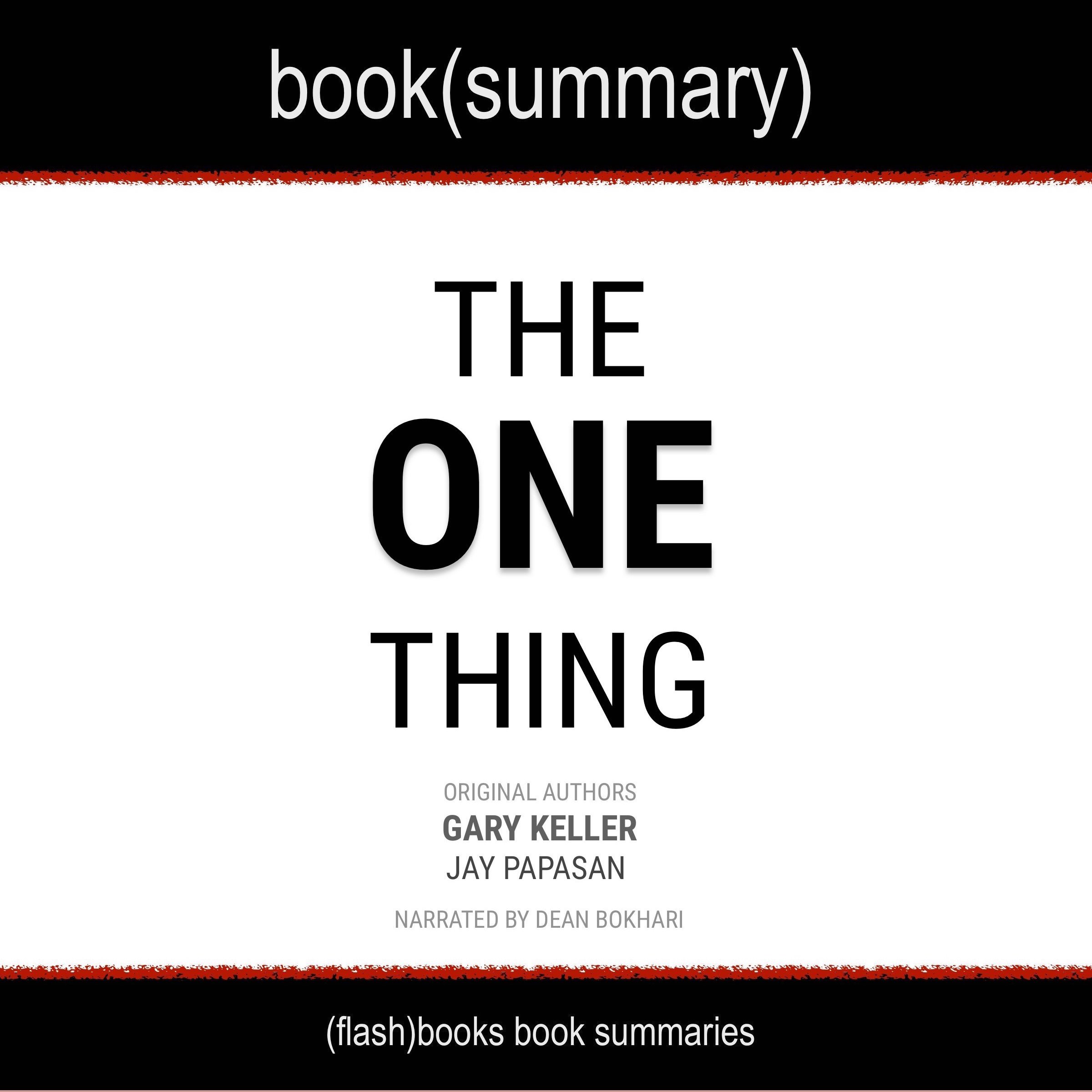
- The ONE Thing by Gary Keller, Jay Pasan
- Deep Work by Cal Newport
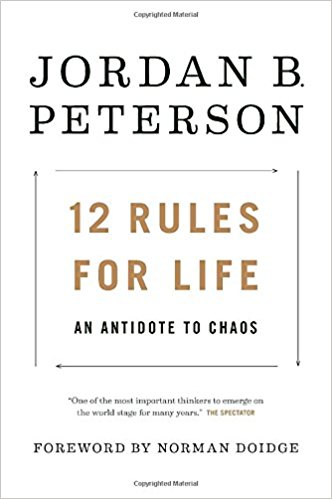
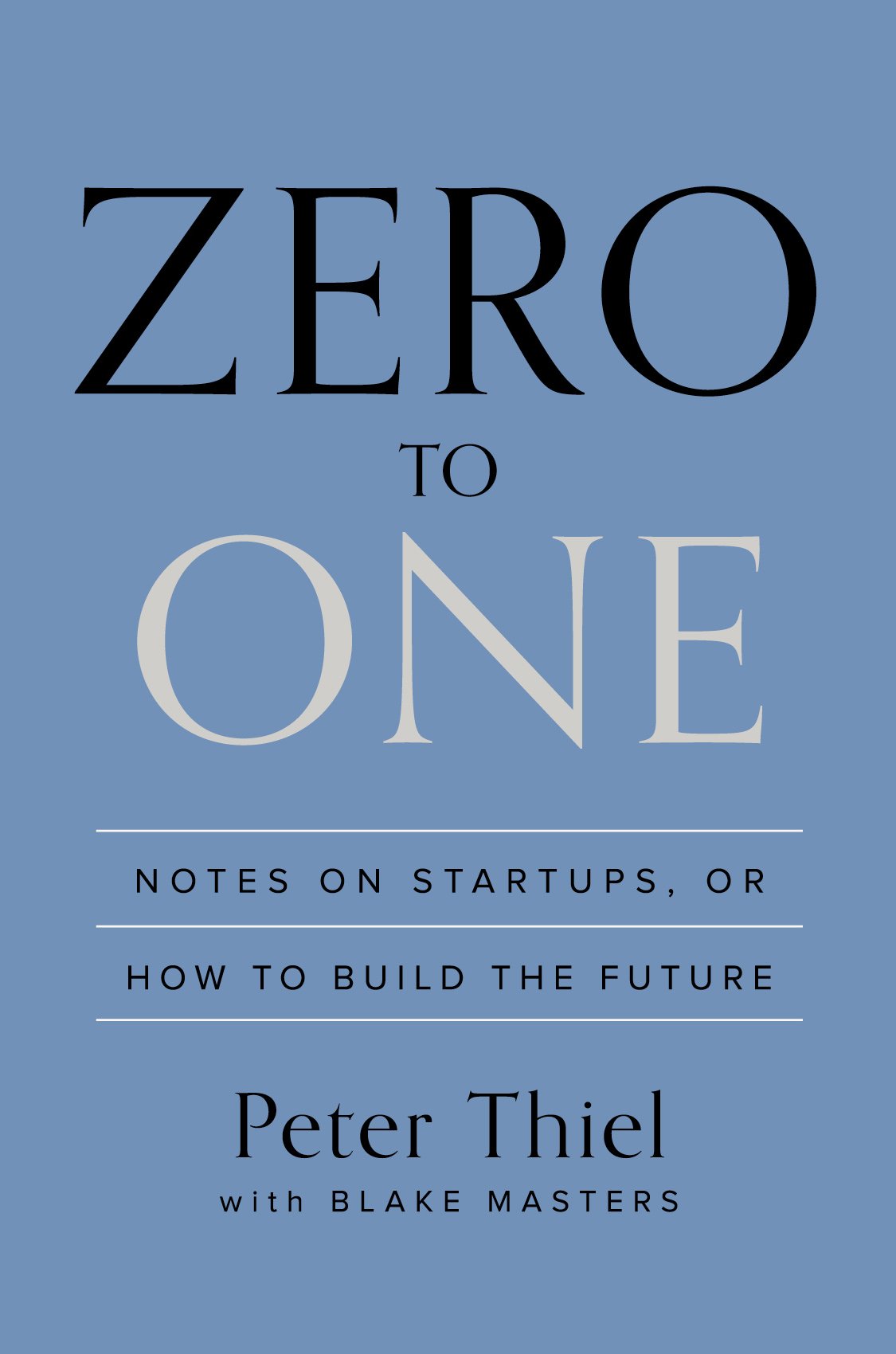

NAV

listen + subscribe



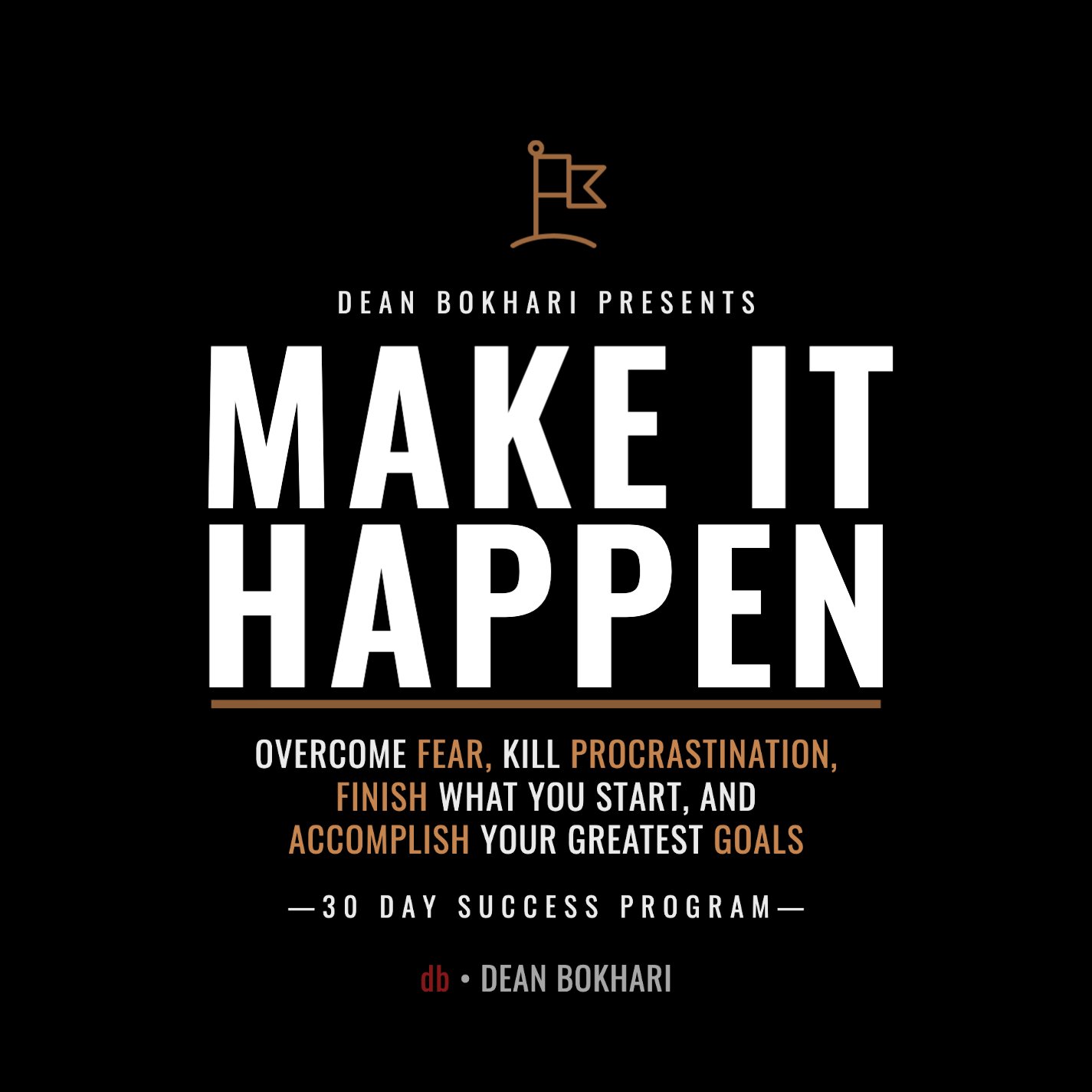
Overcome fear, beat procrastination, and accomplish your greatest goals with this 30-day success program by Dean Bokhari.
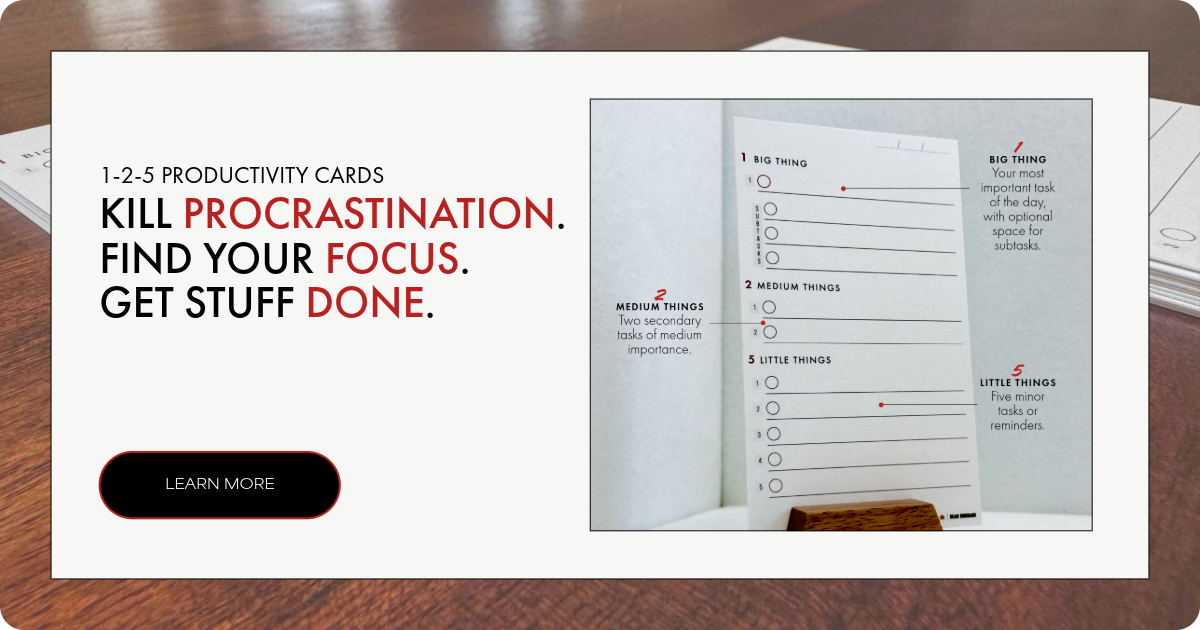
1-2-5 Daily Productivity Cards.

Gratitude Journal for men
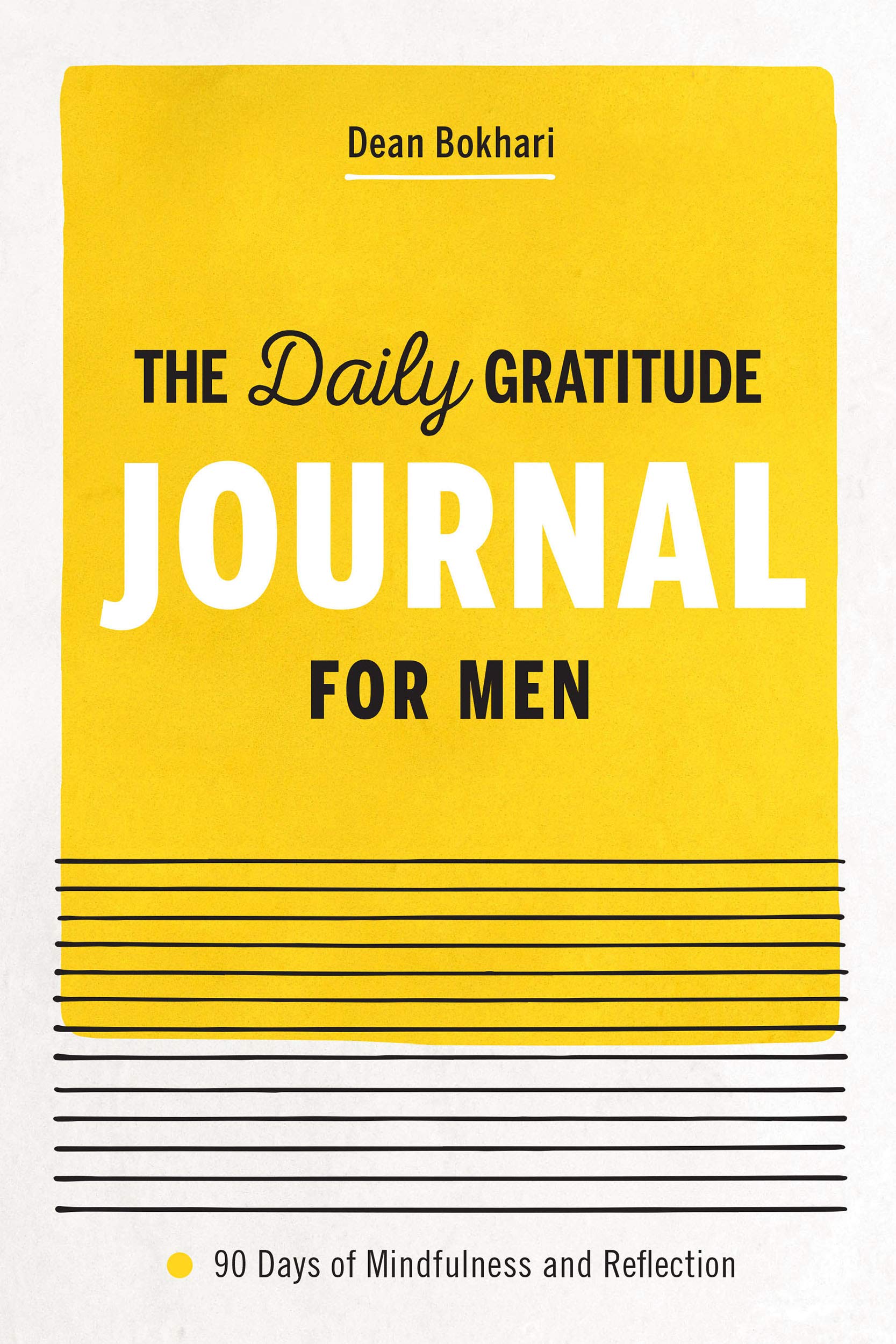
BOOK LISTS
Free Self-Improvement Books + Guides
Popular guides
top podcasts




POPULAR SELF-DEVELOPMENT ARTICLES + PODCASTS:
The Ultimate Guide to Overcoming Lack of Motivation + Energy
10 Things to Remember if You Want to Do What You Love for a Living
7 Life-Changing Benefits of Weight Lifting
Design The Perfect Morning Ritual
Use Outcome Thinking To Get What You Want