How Smart Decisions Propel Business Forward
Collaborative Post

Image Credit: Unsplash
Strong business decisions connect clear goals with reliable evidence and timely action. Leaders who build a repeatable process can respond to changing customer needs without relying on instinct alone. That process also helps teams understand why a choice was made, what result they expect and when they should review it. The following practices can turn everyday decisions into steady progress while keeping people focused on measurable business outcomes.
The Foundation of Good Decisions
Start by defining the problem in one sentence. A retailer experiencing slower sales, for example, should determine if the issue involves fewer visitors, lower conversion rates or smaller purchases. Each diagnosis calls for a different response.
Next, set a specific outcome and deadline. “Improve performance” provides little direction, while “increase online checkout completion from 62% to 68% this quarter” gives the team a clear target. Assign one person to own the decision, identify who should contribute and establish any limits involving cost or time. This simple structure prevents unclear responsibilities from delaying action.
Leverage Data for Insights
Use a small group of relevant metrics to test assumptions. IBM’s overview of data-driven decision-making explains how organizations can use facts, metrics and data to guide strategic choices. The key is selecting information tied directly to the problem.
Suppose customer support requests rise after a checkout update. Review completion rates, error messages and support topics before changing the entire process. Look for trends across several weeks so one unusual day doesn’t distort the picture. Teams that treat data as a valuable asset should also check its accuracy, ownership and context before acting on it.
Tools for Informed Choices
Choose tools that bring operational information into one accessible view. A useful system should help employees track activity, identify exceptions and produce reports without hours of manual work. Dashboards, customer relationship platforms and accounting software can all support this goal when they share consistent definitions.
Payment data can also reveal popular products, busy periods and changes in average transaction value. For a growing business, a merchant account from North can support payment acceptance alongside services such as reporting, invoicing and inventory management. Before adopting any platform, confirm that it fits current workflows, offers usable reports and can scale with expected transaction volume.
Avoid Analysis Paralysis
Set a decision deadline based on risk. A reversible change, such as testing a new email subject line, may need only a day of review. A major contract or pricing change deserves more time because the cost of reversing it is higher.
Define the minimum evidence needed before research begins. This might include three months of sales records, customer feedback from 50 responses and cost estimates from two vendors. Then stop collecting information once those requirements are met. ThoughtSpot’s explanation of data-driven insights shows how analysis can connect raw information with strategic action. Extra data has little value when it only postpones a reasonable choice.
Implement and Iterate Quickly
Turn the decision into a limited test with a named owner, timeline and success measure. A service company considering appointment reminders could test them with 20% of customers for two weeks. It might track missed appointments, customer replies and staff time before expanding the change.
Record the starting metric so the result has a valid comparison point. During the test, collect feedback from employees who use the process and customers affected by it. At the review date, keep the change, adjust it or stop it based on the agreed criteria. Documenting that result creates useful institutional knowledge, including when an unsuccessful test reveals what to avoid. A short, measured trial keeps momentum while protecting the business from an expensive company-wide mistake.
—End of collaborative post—
Free self-development courses
👇
 |
 |
Free life guides
👇



Best-selling Self-development courses by Dean Bokhari
Kill procrastination.
|
Get motivated.
|
Connect with anyone.
|

freshly pressed:
Top Audiobooks narrated by Dean Bokhari on audible | |


Book summaries
- The Power of Habit by Charles Duhigg
- 12 Rules for Life by Jordan B. Peterson
- Presence by Amy Cuddy
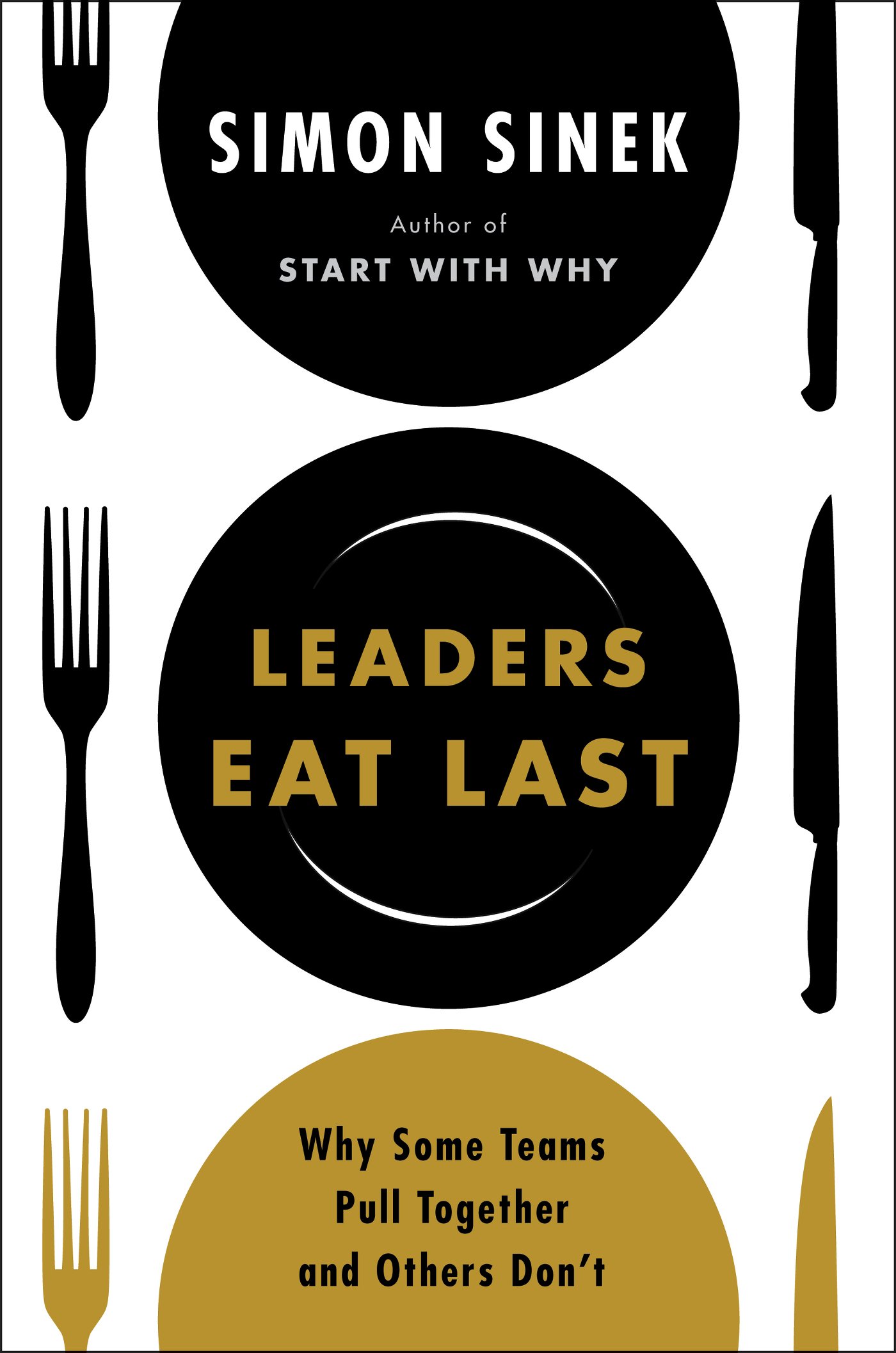
- Leaders Eat Last by Simon Sinek
- The ONE Thing by Gary Keller, Jay Pasan
- Deep Work by Cal Newport




NAV

listen + subscribe



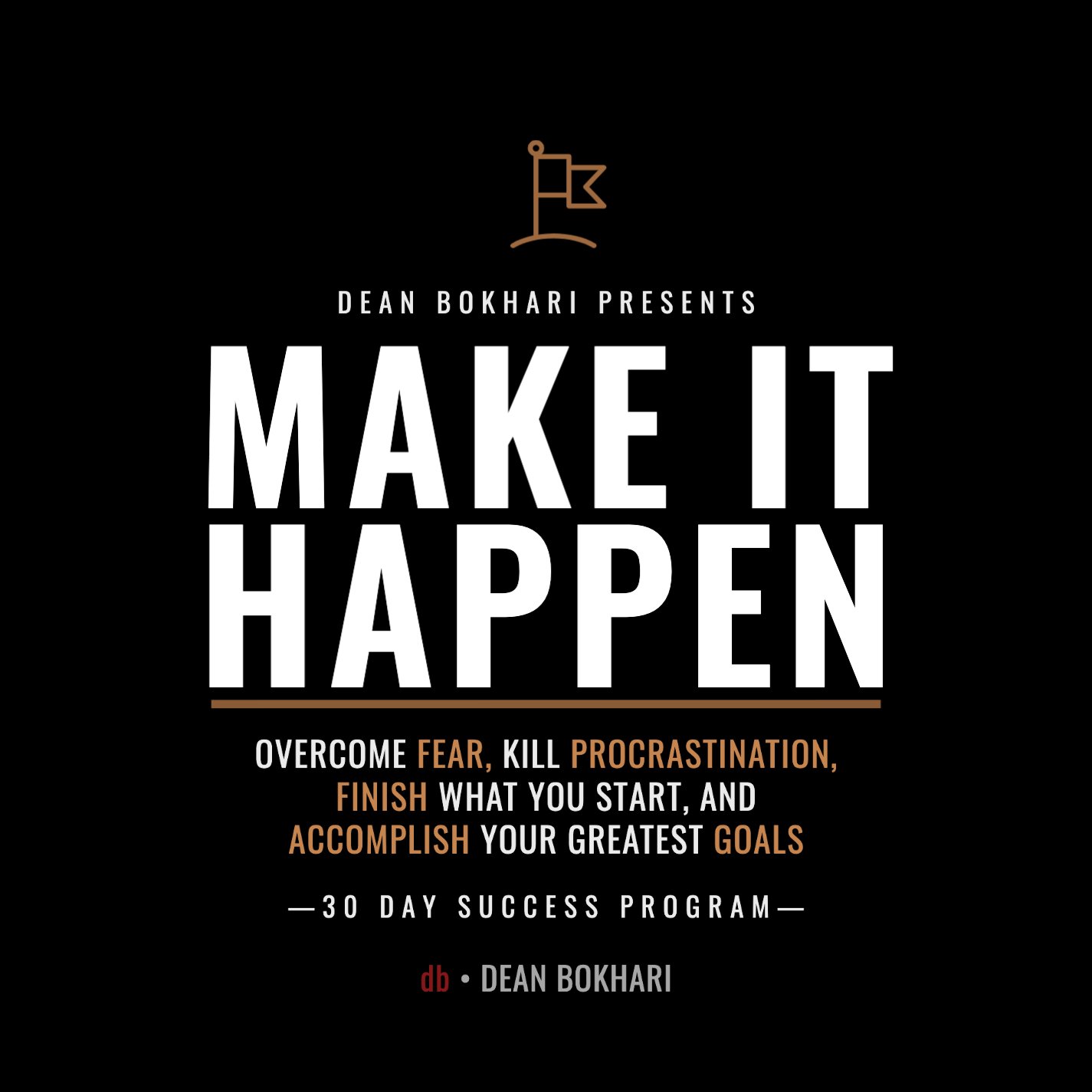
Overcome fear, beat procrastination, and accomplish your greatest goals with this 30-day success program by Dean Bokhari.
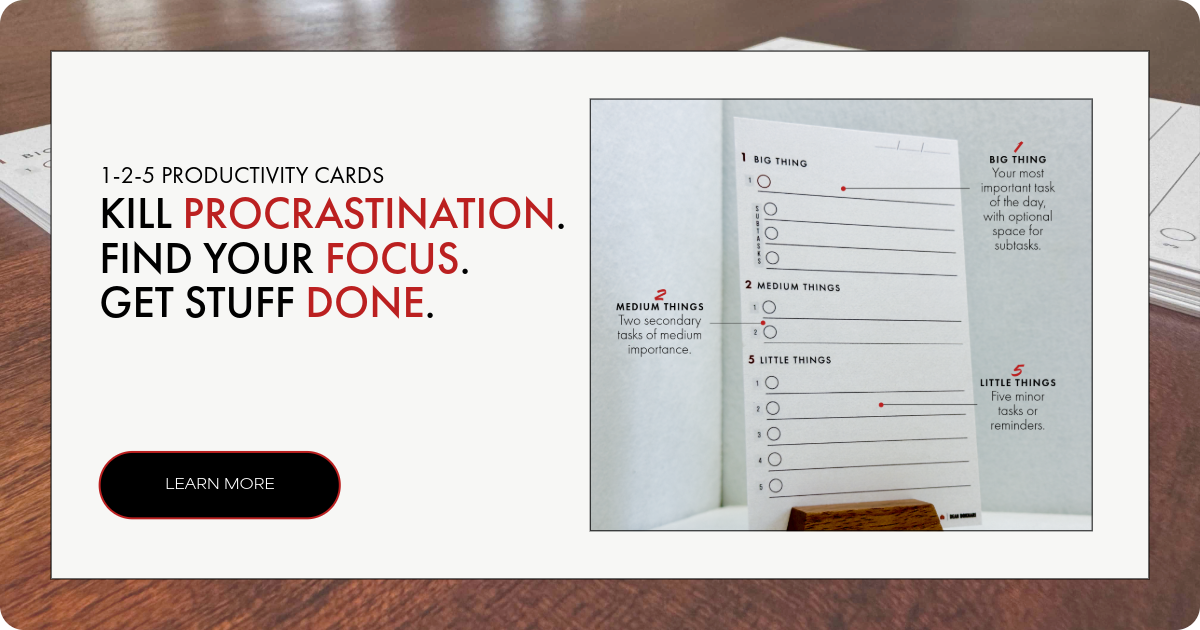
1-2-5 Daily Productivity Cards.

Gratitude Journal for men

BOOK LISTS
Free Self-Improvement Books + Guides
Popular guides
top podcasts





POPULAR SELF-DEVELOPMENT ARTICLES + PODCASTS:
The Ultimate Guide to Overcoming Lack of Motivation + Energy
10 Things to Remember if You Want to Do What You Love for a Living
7 Life-Changing Benefits of Weight Lifting
Design The Perfect Morning Ritual
Use Outcome Thinking To Get What You Want