A Practical Way to Tell If Your Brand Strategy Is Doing Its Job
Collaborative Post
Brand strategy isn’t meant to live in a deck. It’s meant to guide decisions when things get busy, budgets get tight, or opportunities arrive unexpectedly. The problem is that many teams mistake movement for momentum. Campaigns go out. Content ships. Metrics get reported. Yet something still feels off. Growth stalls, alignment drifts, and decisions take longer than they should.
A working brand strategy is quieter than people expect. You feel it most when pressure hits. That’s where a practical evaluation starts.

The Difference Between Activity and Direction
Ask yourself this: if you paused all output for two weeks, would your next decision still feel obvious? Direction gives you that confidence. Without it, teams default to copying competitors, chasing trends, or reacting to whoever speaks loudest in the room. That’s not momentum.
Activity is easy to spot. Direction is harder to fake.
You’re busy when calendars are full, channels are active, and work is constantly in motion. But direction shows up in why things move at all. When your brand strategy is doing its job, activity clusters around a clear centre. Ideas feel connected. Trade-offs make sense. You say no more often, and with less anxiety. That’s noise with effort behind it.
Questions You Should Be Able to Answer Without Slides
A strong strategy lives in people’s heads, not just shared folders.
You should be able to answer a few core questions without pulling up a presentation or checking notes. Not perfectly polished. Just clearly.
Why do customers choose you over alternatives, in their own words?
What problem do you not try to solve, even if there’s money on the table?
Which type of growth opportunity excites you, and which ones feel like a distraction?
If these answers change depending on who you ask, your strategy isn’t working yet. Alignment isn’t about uniform phrasing. It’s about shared understanding. When people hesitate, over-explain, or contradict each other, it’s a signal that the strategy hasn’t fully landed.
The Signals Hiding in Everyday Decisions
You don’t need a quarterly audit to evaluate brand strategy. You can see it in daily behaviour.
Notice how long decisions take. Notice how often work gets revised because “it doesn’t feel right.” Notice whether debates focus on taste or outcomes. A strategy doing its job shortens conversations. It gives teams a reference point that isn’t personal preference.
You’ll also see it in consistency. Not visual sameness, but behavioural consistency. Similar choices made across departments. Similar priorities emerging independently. That’s strategy at work, quietly reducing friction.
When Outside Perspective Becomes a Force Multiplier
Sometimes the issue isn’t effort or intelligence. It’s proximity.
When you’re too close to the business, everything feels equally important. That’s when an external lens helps you see what’s actually pulling weight versus what’s just familiar. A good strategic branding partner doesn’t bring answers you couldn’t reach. They bring clarity you can’t access from inside the system.
They ask sharper questions. They challenge comfortable assumptions. They help translate instinct into structure, so the strategy can be used, not admired.
A Simple Test You Can Run This Month
Here’s a grounded test: pick one upcoming decision that matters. A hire. A partnership. A campaign direction.
Before debating options, write down the decision criteria your brand strategy should provide. Then see if the conversation naturally follows it. If people revert to gut feel, politics, or precedent, your strategy isn’t yet operational.
A brand strategy doing its job doesn’t just explain who you are. It helps you choose what to do next, with less friction and more confidence. That’s the real measure.
—End of collaborative post—
Free self-development courses
👇
 |
 |
Free life guides
👇
Best-selling Self-development courses by Dean Bokhari
Kill procrastination.
|
Get motivated.
|
Connect with anyone.
|
freshly pressed:
Top Audiobooks narrated by Dean Bokhari on audible | |
Book summaries
- The Power of Habit by Charles Duhigg
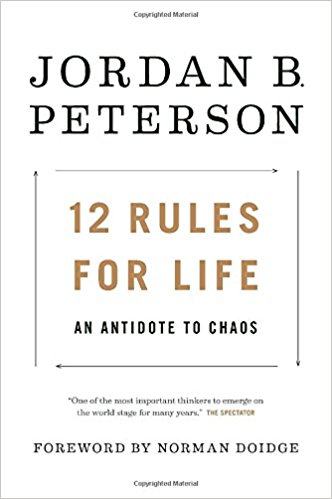
- 12 Rules for Life by Jordan B. Peterson
- Presence by Amy Cuddy
- Leaders Eat Last by Simon Sinek
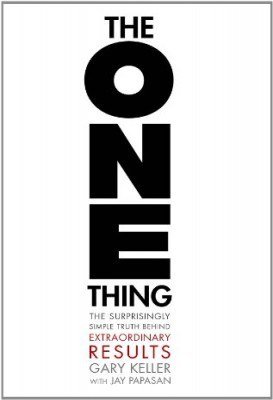
- The ONE Thing by Gary Keller, Jay Pasan
- Deep Work by Cal Newport
NAV

listen + subscribe


Overcome fear, beat procrastination, and accomplish your greatest goals with this 30-day success program by Dean Bokhari.
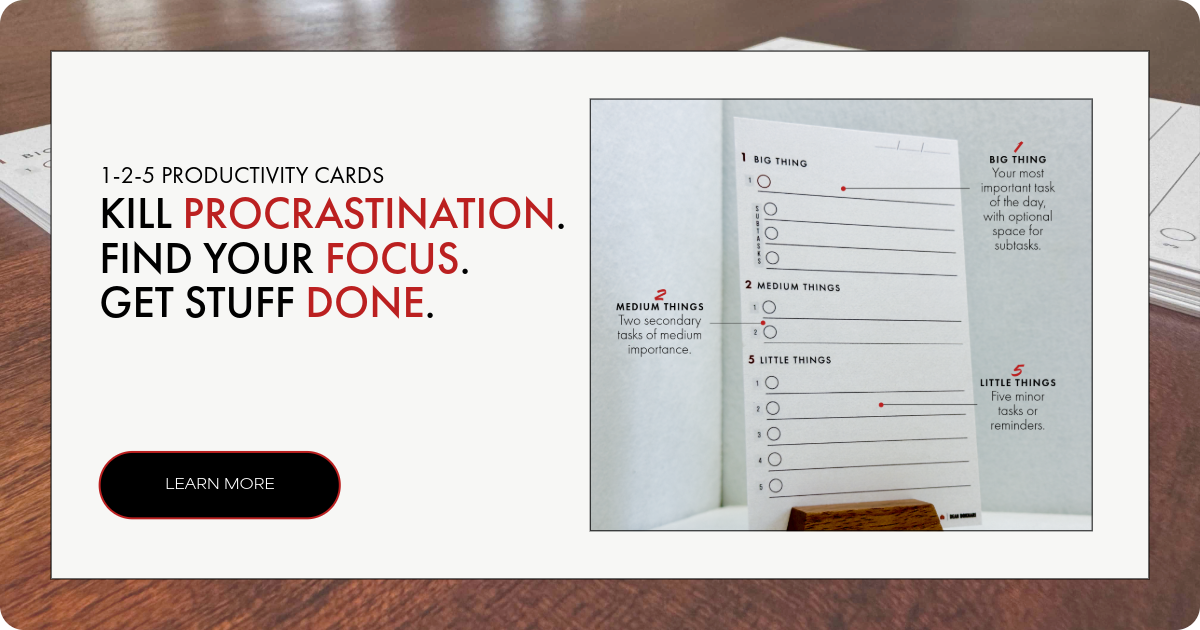
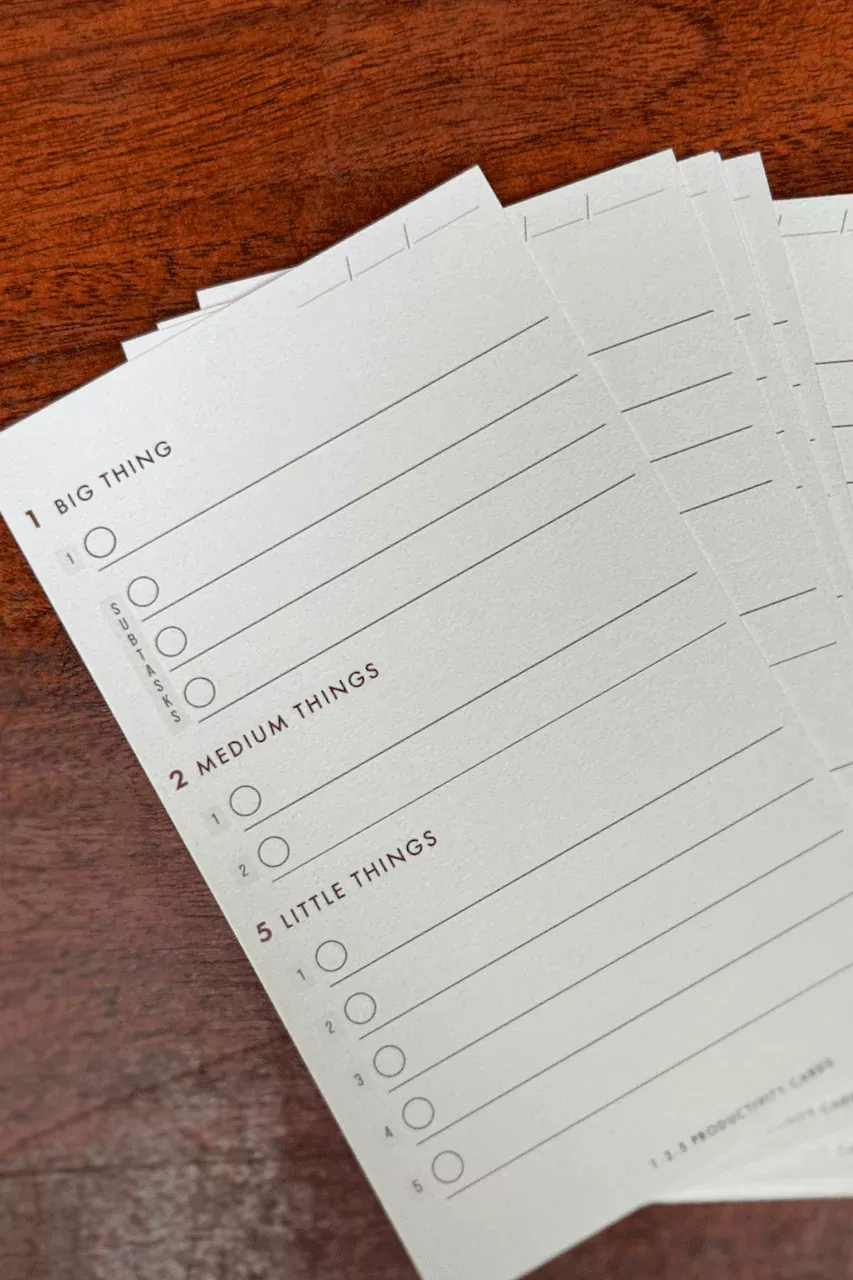
1-2-5 Daily Productivity Cards.
Gratitude Journal for men
BOOK LISTS
Free Self-Improvement Books + Guides
Popular guides
top podcasts


POPULAR SELF-DEVELOPMENT ARTICLES + PODCASTS:
The Ultimate Guide to Overcoming Lack of Motivation + Energy
10 Things to Remember if You Want to Do What You Love for a Living
7 Life-Changing Benefits of Weight Lifting
Design The Perfect Morning Ritual
Use Outcome Thinking To Get What You Want