Choosing a Practical Path to Personal Growth
Collaborative Post
Self-development doesn't always look the way that social media presents it. It's not always journaling at sunrise, reading five books a month, or turning every hobby into some sort of side hustle. For many people, real growth looks a lot quieter than that. It shows up as learning a useful skill, gaining confidence in your ability to earn, and building a life that feels more stable rather than stressful. If you felt pressure to follow a narrow idea of success, this post is definitely for you. Let's talk about personal growth in a way that connects to real life, real work, and real progress

Photo by Jimmy Nilsson Masth on Unsplash
Redefining What Growth Actually Means
Personal development often gets looked at as a mindset rather than anything else. This means you need to think positively, visualize success, and push past fear. Mindset does matter, but growth also depends on taking action. You don't build confidence by thinking about confidence; you build it by proving to yourself that you are able to learn, adapt, and follow through. Skills are really important because they give you evidence, and they give you leverage that you have options. Growth means becoming more capable over time, and it also means reducing any uncertainty in your life. You need to be able to trust yourself to handle problems when they show up, and that trust comes from experience rather than from affirmations.
Why Skills Create Confidence Faster Than Motivation
Motivation is unreliable; it rises and falls based on sleep, stress, money, and mood. Skills stick when you learn something that is practical, something that you can use in the real world. Then you're confident it’s going to grow in a really, really nice way. You know what you can do, you know what you're worth, and you can stop any guesswork. This matters because uncertainty can drain your energy. When you don't know how you'll be able to support yourself or progress in the future, everything feels a little heavier; even small decisions feel risky. Skills reduce that pressure, and they turn growth into something that is far more tangible.
The Problem With One-Size-Fits-All Advice
A lot of self-development content assumes that everybody wants the same outcome: they want to get a remote job, start a business, become a creator, and climb the corporate ladder. These paths are great for some people, but they are not ideal for everybody. Growth is something that should fit in with your strengths, your temperament, and your own reality. Some people thrive in abstract work, while others prefer hands-on problem solving. Some want to make sure they've got plenty of flexibility, while others thrive on having a good structure in place. Ignoring that type of lead can mean you go to burnout and self-doubt. You start thinking that something is wrong with you, and the real issue is the path that you have chosen to follow. Choosing growth means choosing something that aligns with how you actually operate.
Practical Learning as a Form of Self-Respect
Learning a practical trade or skill is often looked at as a fallback, but that is something that does a lot of damage. In reality, choosing a hands-on path can be a very powerful act of self-respect. You are choosing clarity over status, and you are choosing usefulness over any image. For many people, enrolling in trade school is less about a job title and more about stability. It's about knowing that your effort leads somewhere concrete and that your time results in skills that people actually need. There is a huge confidence in something like that, and the confidence changes how you show up in every part of your life, not just your work.
Growth That Improves Daily Life
Self-development should improve your day-to-day experience, not just your long-term goals. When you gain practical skills, you often notice more shifts. First, you will feel less anxious about money and budgeting, speak with greater certainty, and make decisions in your life much more quickly. You'll stop waiting for permission to do things, and you will just do them. That type of shift is really important; it affects how you handle conflict, plan for the future, and manage your time. You stop seeing yourself as stuck and start seeing yourself as capable. Growth becomes something that you live rather than something that you are constantly feeling like you are chasing.
Letting Go of Comparison
One of the biggest obstacles to growth is comparison. It's very easy to look at somebody else's path that they are following and assume that you are behind. They might finish university earlier than you, make more money at the moment, and seem more confident. But comparison completely ignores any context; you don't see their doubts, their support systems, or the trade-offs that they have made. You also don't see how much of their path doesn't fit in with who you are as a person. Personal growth isn't about catching up to somebody else; it's all about making sure you are closing the gap between who you are now and who you could have recently become when you put in some effort. The gap is personal, and no one else gets to define that or choose it for you.
Conclusion
Personal growth is about following the loudest advice; it's all about making sure that you are choosing a good direction that is going to make your life feel more solid and more manageable. You need to remember that it is your life to deal with. Skills build confidence, practical learning creates momentum, and momentum changes how you see yourself. If you are looking for growth that shows up in your daily life, not just your thoughts, focus on your capabilities, focus on usefulness, and focus on paths that are going to reward the effort that you put in. With clarity, there is no need for you to become somebody else in order for you to grow; you just need to make sure that you're becoming more capable than you were yesterday.
—End of collaborative post—
Free self-development courses
👇
 |
 |
Free life guides
👇
Best-selling Self-development courses by Dean Bokhari
Kill procrastination.
|
Get motivated.
|
Connect with anyone.
|
freshly pressed:
Top Audiobooks narrated by Dean Bokhari on audible | |
Book summaries
- The Power of Habit by Charles Duhigg
- 12 Rules for Life by Jordan B. Peterson
- Presence by Amy Cuddy
- Leaders Eat Last by Simon Sinek
- The ONE Thing by Gary Keller, Jay Pasan
- Deep Work by Cal Newport


NAV
listen + subscribe



Overcome fear, beat procrastination, and accomplish your greatest goals with this 30-day success program by Dean Bokhari.
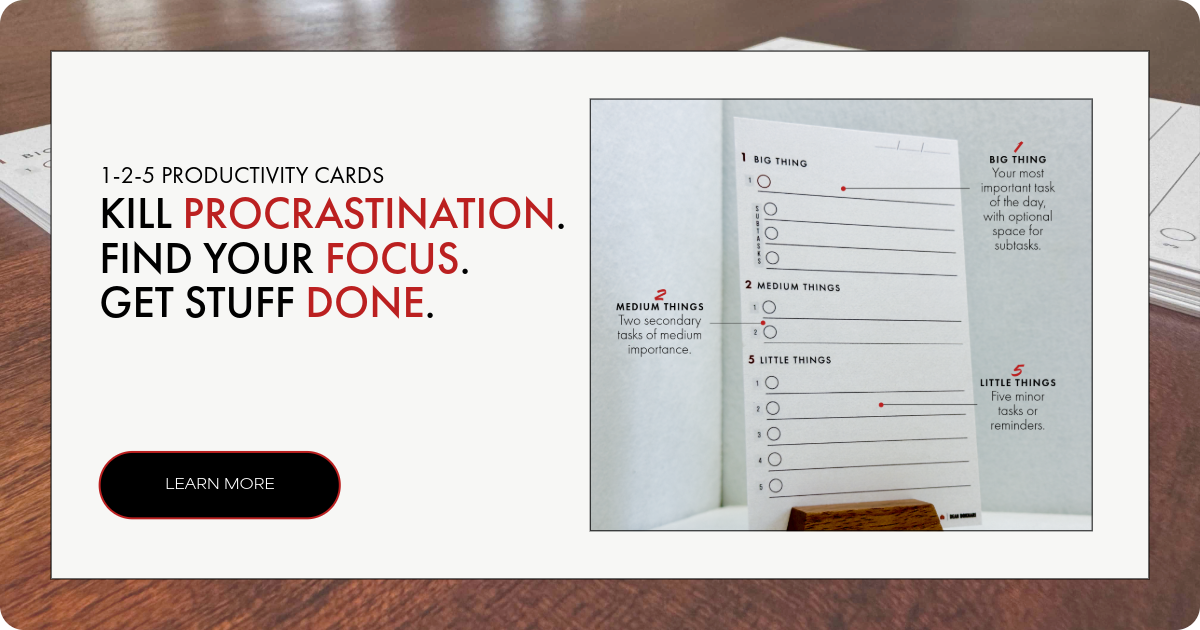
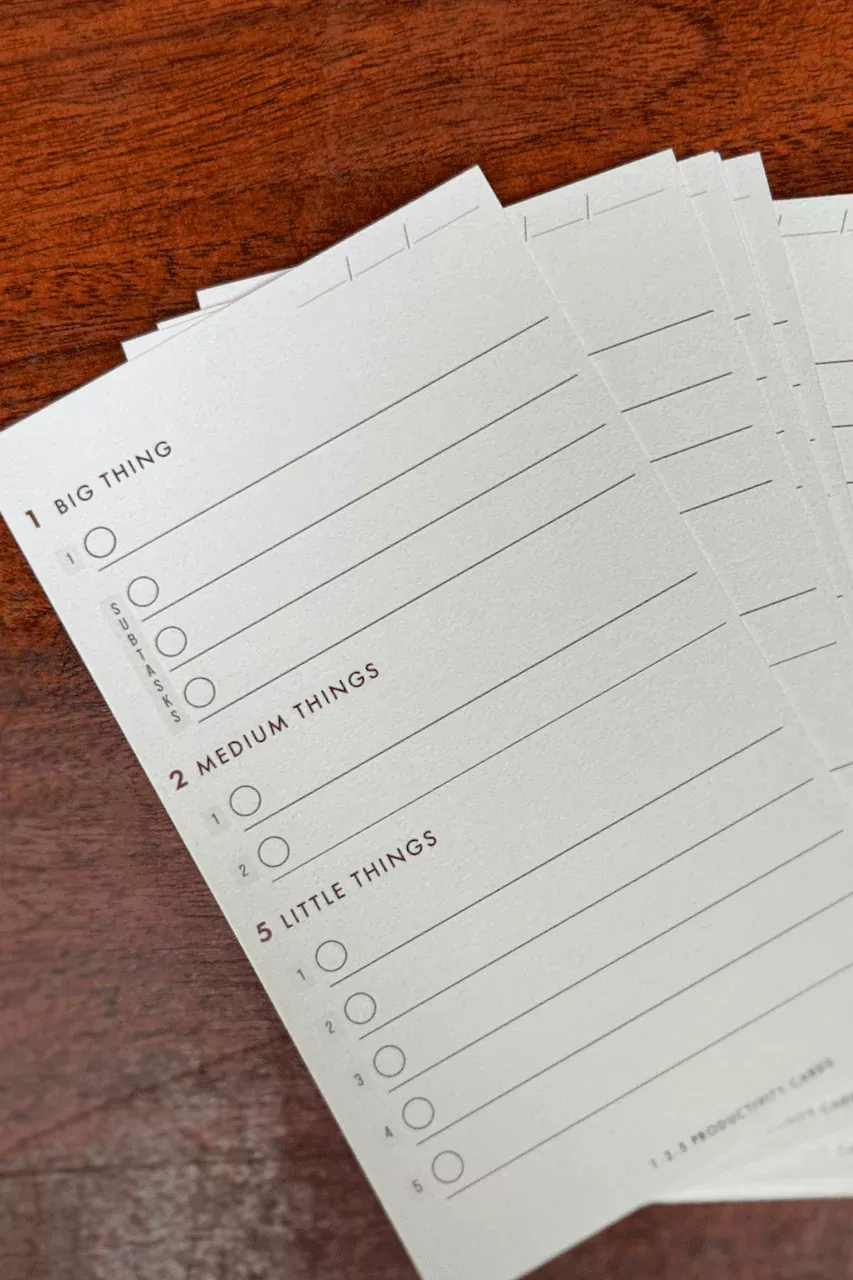
1-2-5 Daily Productivity Cards.
Gratitude Journal for men
BOOK LISTS
Free Self-Improvement Books + Guides
Popular guides
top podcasts

POPULAR SELF-DEVELOPMENT ARTICLES + PODCASTS:
The Ultimate Guide to Overcoming Lack of Motivation + Energy
10 Things to Remember if You Want to Do What You Love for a Living
7 Life-Changing Benefits of Weight Lifting
Design The Perfect Morning Ritual
Use Outcome Thinking To Get What You Want