How to Break Free From Debt Cycles
Collaborative Post

Image Credit: Unsplash
Debt cycles often begin when monthly payments consume so much income that routine expenses return to credit. Breaking that pattern requires a clear view of what you owe, a repayment method that fits your budget and safeguards against new balances.
Progress may feel slow at first, but consistent payments and better cash-flow decisions can reduce financial pressure over time. The following steps can help you organize your debts and create a practical route toward greater financial stability.
Understanding Your Debt Patterns
List every debt with its balance, interest rate, minimum payment and due date, which is a key step toward financial freedom. Then review three months of bank and credit statements to identify what keeps pushing balances higher. Common triggers include irregular bills, medical costs, income gaps and everyday spending that exceeds the available cash.
Watch for warning signs such as using one account to pay another or relying on credit for groceries near payday. The federal government’s overview of debt trap cycles explains how fees and repeated borrowing can make repayment harder. Once you see the pattern, calculate how much remains after essential expenses and minimum payments. That figure sets a realistic starting point for your plan.
Strategies for Smart Consolidation
Debt consolidation combines several balances into one payment, often through a personal loan. It may simplify your schedule and reduce interest costs, but only if the new loan’s total cost is lower. Compare the annual percentage rate, origination fee, repayment term and monthly payment before accepting an offer.
Check the lender’s background and confirm that its products match your goal. For example, a company announcement involving Daniel Tilipman provides context about a digital consumer lender offering customizable personal loans and financial tools. Read all loan terms yourself and avoid treating approval as proof that a loan is affordable. Consolidation works best when you stop adding charges to the accounts you’ve paid off.
Building a Repayment Plan
Choose a repayment method you can follow for more than a few weeks. The avalanche method sends extra money to the debt with the highest interest rate, which can reduce total interest. The snowball method targets the smallest balance first, creating an early win that may strengthen motivation.
Suppose you can contribute $350 beyond minimum payments each month. Direct the full amount to one target account while maintaining every other required payment. After clearing that account, move its former payment to the next debt. Set automatic payments for at least the minimums and schedule the extra payment soon after payday. Guidance on better financial habits can also help you connect repayment choices with day-to-day money management.
Maintaining Financial Momentum
Protect your progress with a small emergency fund, even while you’re repaying debt. An initial cushion of $500 or one month of essential expenses can cover a repair or medical bill without sending it straight to a card. Keep this money in a separate savings account where it remains accessible but isn’t mixed with routine spending.
Review your plan once a month. Record the new balances, check that interest charges match your statements and adjust for any income change. If extra money arrives through a refund, bonus or side project, decide in advance what percentage will go toward debt. When a balance reaches zero, mark the date and redirect that payment immediately. That quick transfer keeps your repayment momentum from disappearing into everyday expenses.
—End of collaborative post—
Free self-development courses
👇
 |
 |
Free life guides
👇

Best-selling Self-development courses by Dean Bokhari
Kill procrastination.
|
Get motivated.
|
Connect with anyone.
|
freshly pressed:
Top Audiobooks narrated by Dean Bokhari on audible | |
Book summaries
- The Power of Habit by Charles Duhigg
- 12 Rules for Life by Jordan B. Peterson
- Presence by Amy Cuddy
- Leaders Eat Last by Simon Sinek
- The ONE Thing by Gary Keller, Jay Pasan
- Deep Work by Cal Newport


NAV

listen + subscribe



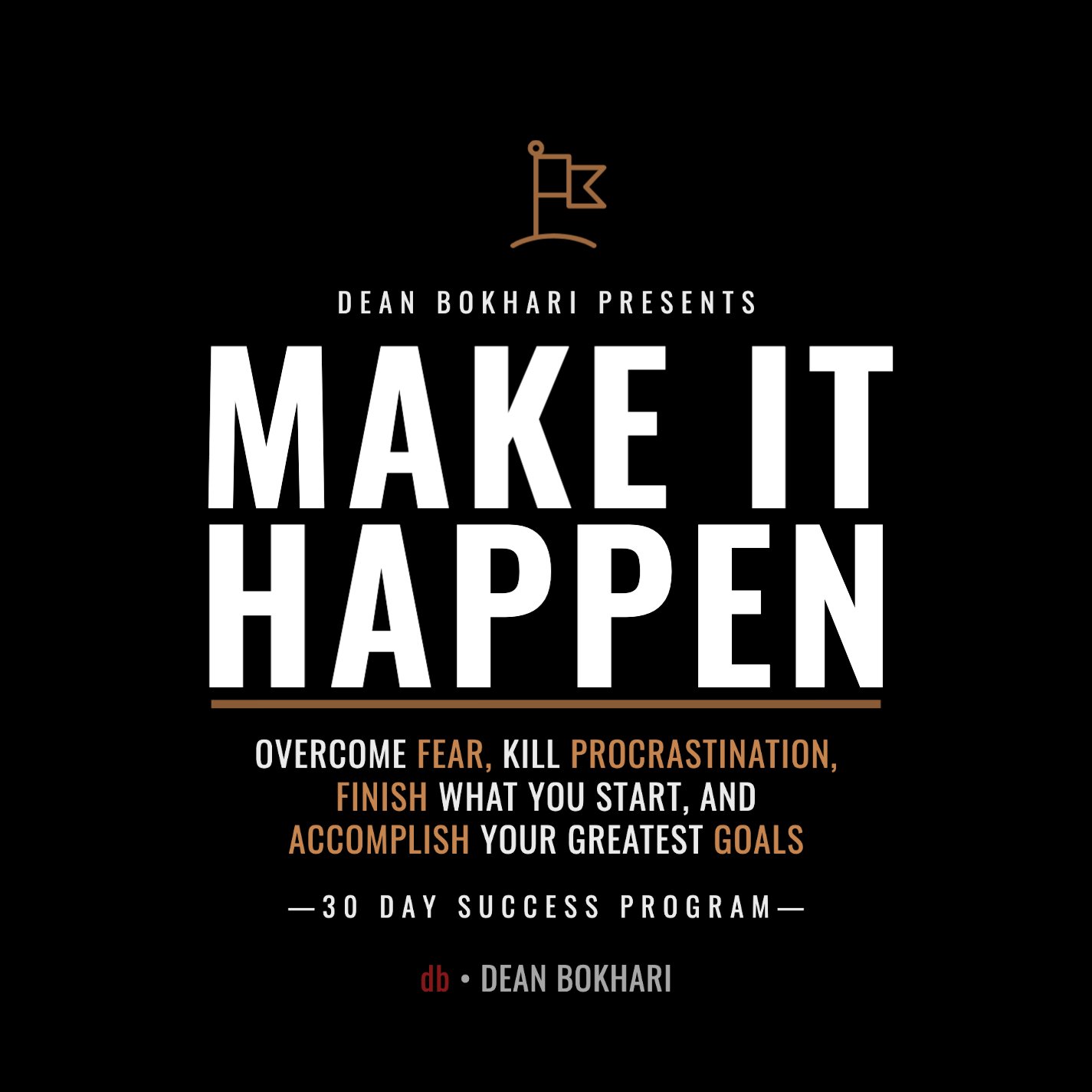
Overcome fear, beat procrastination, and accomplish your greatest goals with this 30-day success program by Dean Bokhari.
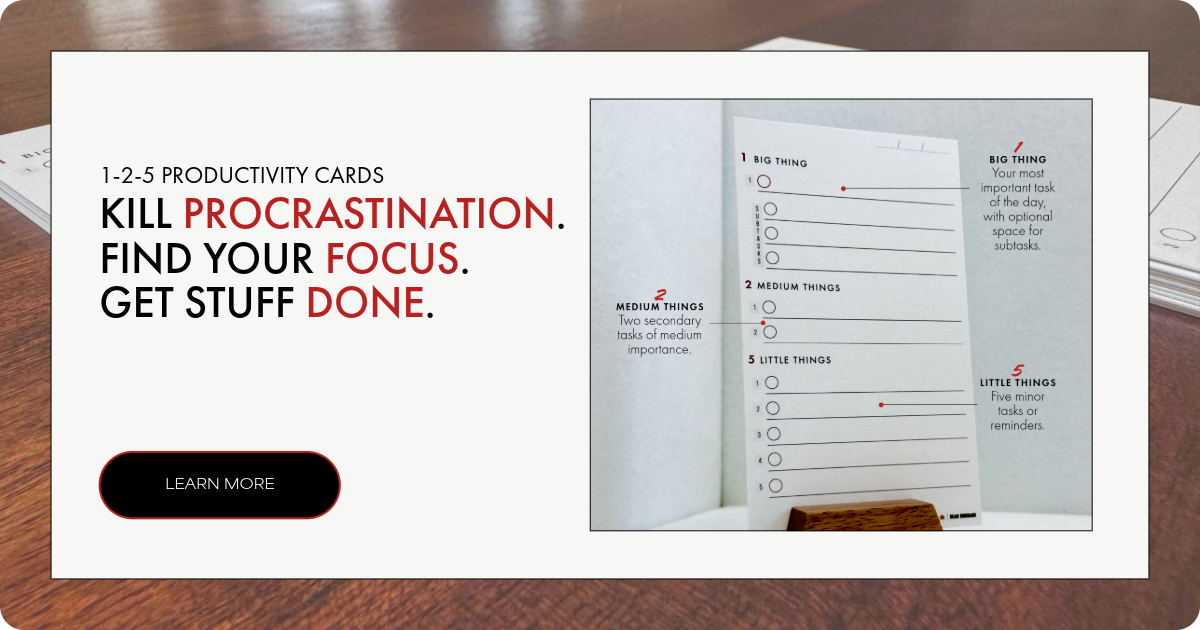
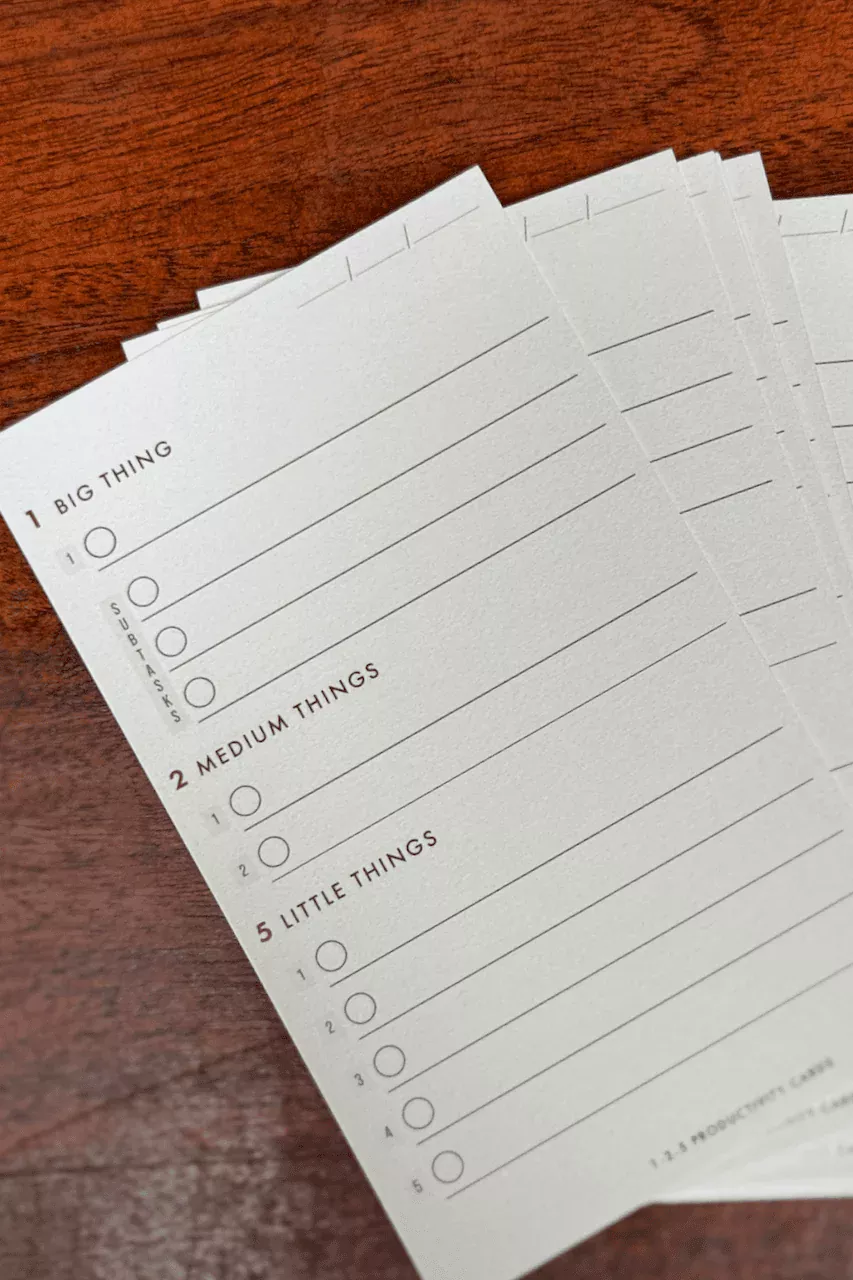
1-2-5 Daily Productivity Cards.
Gratitude Journal for men
BOOK LISTS
Free Self-Improvement Books + Guides
Popular guides
top podcasts



POPULAR SELF-DEVELOPMENT ARTICLES + PODCASTS:
The Ultimate Guide to Overcoming Lack of Motivation + Energy
10 Things to Remember if You Want to Do What You Love for a Living
7 Life-Changing Benefits of Weight Lifting
Design The Perfect Morning Ritual
Use Outcome Thinking To Get What You Want