How to Present Ideas That Get Approved
Collaborative Post

Image Credit: Unsplash
Approval depends on how quickly decision-makers can understand an idea, see its value and feel confident about the next step. Strong ideas often stall because the presentation lacks focus, supporting evidence or a clear request.
A persuasive presentation gives people a logical path from the current situation to the proposed decision. It respects their priorities, answers likely objections and makes action feel practical. The following process can help you prepare a proposal for executives, clients, investors or internal stakeholders without burying the central idea under unnecessary detail.
Understand Your Audience Deeply
Start with the decision-makers, not your slide deck. Identify who will attend, what authority each person has and which outcomes matter to them. A finance leader may focus on cost and return, while an operations leader may care more about staffing, timing and disruption.
Speak with one or two attendees before the presentation if possible. Ask what they need to see before supporting a proposal and what concerns have stopped similar ideas in the past. If direct conversations aren't possible, review meeting notes, current targets and previous project decisions.
Your findings should shape the evidence you present. Imagine that you're proposing a new customer support platform. Senior leaders may need a one-page financial case showing expected savings over 12 months. Team managers may need a rollout schedule and details about training. Both groups are considering the same proposal, but they're assessing different risks.
Create a simple audience profile before drafting:
- The decision each person can influence
- Their main measure of success
- Their likely concern
- The evidence they will trust
This preparation helps you remove material that interests you but has little bearing on the final decision.
Structure for Maximum Impact
Open with the problem, show why it deserves attention and state your recommendation early. Don't make people wait until the final slide to learn what you're asking them to approve.
A useful structure is situation, consequence, recommendation, evidence and action. For example, a proposal to shorten an approval process might begin with the current 12-day turnaround time. It could then show the cost of delays, introduce a revised three-stage workflow and explain how a 30-day pilot would work. Guidance on presentation structure also emphasizes clear openings, organized main points and purposeful conclusions.
Give each slide one job. A slide titled “Projected first-year impact” should present the forecast and its assumptions, not mix financial estimates with implementation dates and staff feedback.
High-stakes proposals may also benefit from outside design support. Professional presentation design services can help businesses and individuals organize critical information into investor decks, sales pitches, conference keynotes or stakeholder presentations. This option can be useful when the internal team has sound content but lacks the time or design expertise to turn it into a clear visual argument.
Leveraging Visuals for Clarity
Use visuals to make relationships, changes and comparisons easier to grasp. A line chart can show a six-month trend more clearly than a paragraph of figures, while a short timeline can explain a rollout faster than a dense project table.
Choose the format based on the message. Bar charts work well for comparing categories. Line charts suit changes over time. Process diagrams can clarify handoffs between teams. A simple photograph may establish context, but it shouldn't take space from evidence that supports the decision.
Keep labels close to the relevant data and remove decorative elements that compete for attention. If you want the audience to notice a 22 percent reduction in processing time, highlight that figure directly on the chart. Don't rely on a spoken explanation to reveal the point.
Clarity also comes from editing. The power of clarity is especially relevant when a presentation contains technical material or competing priorities. Ask a colleague unfamiliar with the proposal to review the slides without your narration. Have them explain the main idea, expected benefit and requested action. Their answer will reveal where the visuals support understanding and where they create confusion.
Finally, check every slide from the back of the room or at reduced size on a laptop. Small labels and crowded tables often look acceptable during editing but fail during delivery.
Anticipate Questions and Concerns
List the questions that could delay approval, then answer the most important ones within the presentation. Common concerns include cost, staffing, implementation time, measurable results and what happens if the plan underperforms.
Build your answers from verifiable information. State where figures came from, explain the assumptions behind projections and separate confirmed results from estimates. A forecast based on a three-month trial should clearly identify the trial size and any conditions that could affect wider adoption.
Prepare backup slides for detailed questions that may not interest the entire room. These can contain full budgets, technical specifications, research methods or alternative schedules. You preserve a focused main narrative while keeping evidence ready for people who need it.
Practice answering difficult questions aloud. Stanford lecturer Matt Abrahams offers presentation confidence techniques that include managing anxiety and communicating in a more audience-focused way. During practice, ask a colleague to challenge your assumptions and interrupt as a stakeholder might.
If you don't know an answer during the meeting, say so plainly. Note the question, name the person who will verify it and give a specific follow-up time. An accurate answer delivered later protects your credibility better than an improvised claim.
Call to Action: Be Specific
Close with a request that defines the decision, owner and timing. “We'd appreciate your support” leaves too much room for interpretation. “Approve a $15,000 pilot beginning November 4, with results reviewed after 60 days” gives the audience something concrete to accept, reject or revise.
Match the size of the request to the evidence you've presented. If a full rollout feels premature, ask for a limited trial, access to data or permission to develop a detailed plan. A smaller commitment can move a promising idea forward while addressing reasonable uncertainty.
Display the request on the final slide and say it aloud. Then pause. Filling the silence with extra explanations can weaken a clear close and introduce details the audience hasn't had time to assess.
Before the meeting ends, confirm what happens next. Record who will provide missing information, who has final approval and when the group will revisit the proposal. Send a brief follow-up that repeats those commitments and includes only the materials people requested.
A strong final slide should work like a decision record: one requested action, one accountable owner and one date. If those three elements are visible, the idea has a practical route from presentation to approval.
—End of collaborative post—
Free self-development courses
👇
 |
 |
Free life guides
👇


Best-selling Self-development courses by Dean Bokhari
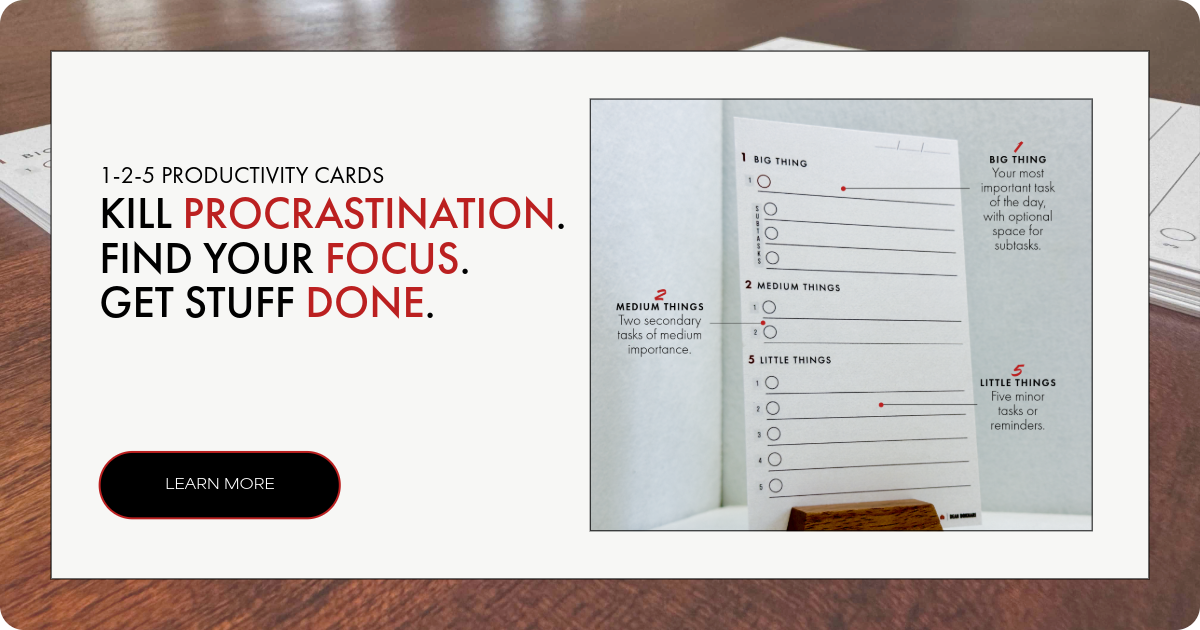
Kill procrastination.
|
Get motivated.
|
Connect with anyone.
|

freshly pressed:
Top Audiobooks narrated by Dean Bokhari on audible | |

Book summaries
- The Power of Habit by Charles Duhigg
- 12 Rules for Life by Jordan B. Peterson
- Presence by Amy Cuddy
- Leaders Eat Last by Simon Sinek
- The ONE Thing by Gary Keller, Jay Pasan
- Deep Work by Cal Newport



NAV

listen + subscribe



Overcome fear, beat procrastination, and accomplish your greatest goals with this 30-day success program by Dean Bokhari.
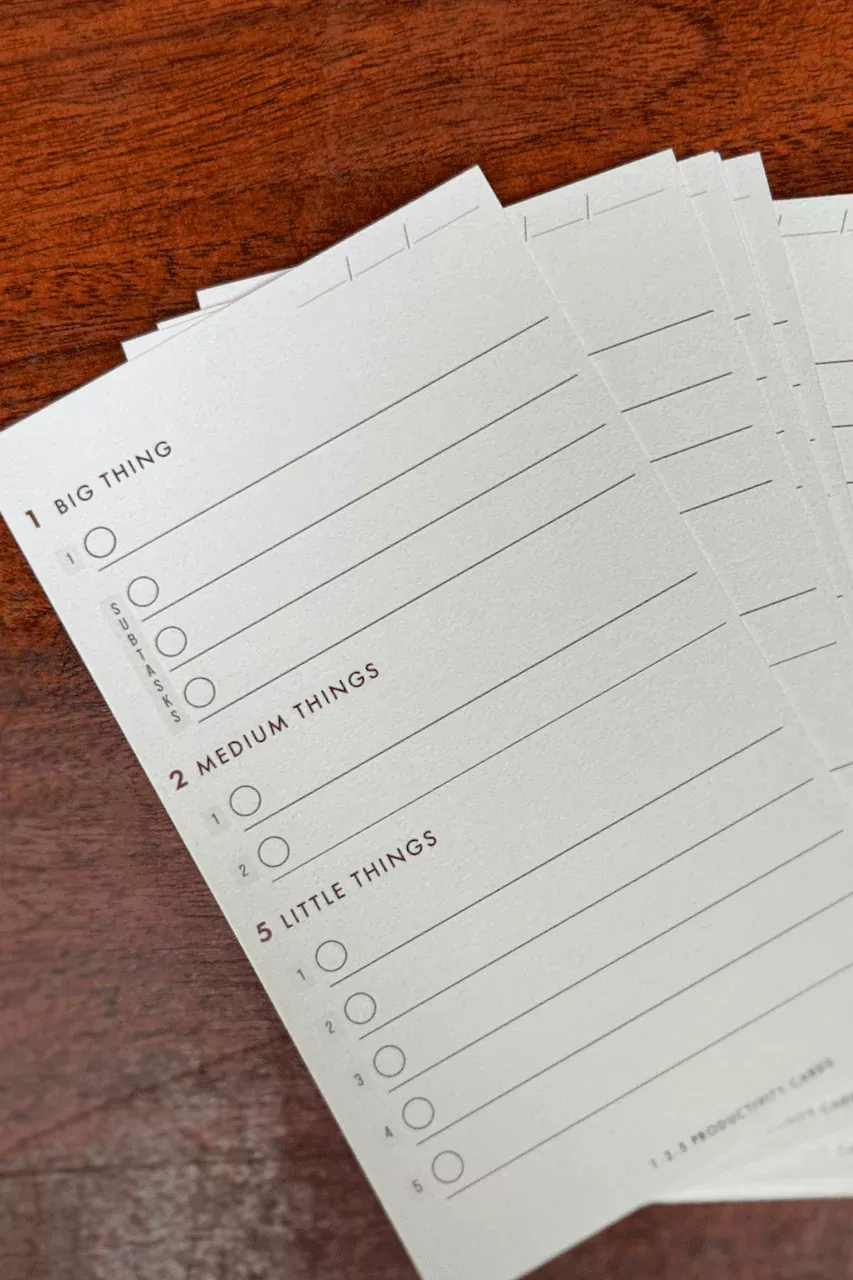
1-2-5 Daily Productivity Cards.
Gratitude Journal for men

BOOK LISTS
Free Self-Improvement Books + Guides
Popular guides
top podcasts



POPULAR SELF-DEVELOPMENT ARTICLES + PODCASTS:
The Ultimate Guide to Overcoming Lack of Motivation + Energy
10 Things to Remember if You Want to Do What You Love for a Living
7 Life-Changing Benefits of Weight Lifting
Design The Perfect Morning Ritual
Use Outcome Thinking To Get What You Want