Mastering Career Transitions for Professional Growth
Collaborative post

Image credit: Unsplash
Changing careers can be one of the biggest moves you make professionally. While leaving a familiar job for something new might feel daunting, a well-planned transition is a powerful way to find growth, fulfillment, and long-term success. The key is to approach it with purpose and a clear strategy. This guide offers a structured path to help you move from one career stage to the next with confidence.
Identifying Your Next Step
Before you can move forward, you need a clear sense of direction. This starts with deep self-reflection. Begin by evaluating your current situation. What parts of your job energize you, and what leaves you feeling drained? List your proudest accomplishments and the skills you used to achieve them. This exercise helps you pinpoint your core strengths and the type of work you find most rewarding.
Next, explore potential industries and roles that match what you've discovered. Research sectors that are growing and stable. For example, the constant demand for skilled professionals creates many healthcare job opportunities that offer both stability and a sense of purpose. Look at job descriptions for roles that interest you, paying close attention to the required qualifications and daily responsibilities. This research phase is about gathering information to make an informed decision, not making a final choice.
Building Essential New Skills
Once you have a target in mind, the next step is to close any gaps between your current skills and what your desired role requires. Carefully review several job descriptions for your target position and identify the common skills and qualifications listed. These might include technical abilities, specific software proficiency, or soft skills like project management or public speaking.
With a clear list of skills to acquire, you can create a professional development plan. There are many ways to learn and grow, including:
- Online courses and certifications from platforms like Coursera or edX.
- Local workshops or community college classes.
- Volunteering or freelance projects that let you practice new skills in a real-world setting.
The goal is to show potential employers that you are proactive and committed to your professional growth. Investing in your skills demonstrates that you are serious about the transition and ready to contribute from day one. To grow in your career, you must be a continual learner.
Leveraging Networking for Opportunities
Your professional network is one of your most valuable assets during a career transition. However, effective networking means building relationships, not just asking for job leads. Start by reconnecting with former colleagues, mentors, and classmates. Let them know you're exploring new possibilities and ask for their insights, not a job.
Informational interviews are an excellent tool. Reach out to people who are in the role or industry you're targeting. Ask them about their career path, the challenges of their job, and what advice they have for someone entering the field. Most people are happy to share their experiences. These conversations provide invaluable firsthand knowledge and can often lead to unadvertised opportunities. Use professional platforms to identify and connect with individuals in your field of interest.
Finding the Right Professional Match
A successful career transition is more than just getting a new title. It's about finding an environment where you can truly thrive. As you begin interviewing, it's crucial to assess whether a company's culture and values align with your own. A job might look perfect on paper, but a mismatched work environment can quickly lead to dissatisfaction. This is a critical part of mastering career transitions and ensuring long-term success.
Prepare questions to ask the interviewers that help you understand the team dynamics, management style, and overall company atmosphere. Ask about how the team collaborates, how success is measured, and what opportunities exist for professional development. Pay attention to how employees interact in the office if you have an on-site interview. The goal is to find a role that not only matches your skills but also fits your personality and work style.
Sustaining Momentum in Your New Role
The transition process doesn't end once you accept a job offer. The first 90 days in a new role are critical for setting yourself up for success. Your main goal should be to learn and build relationships. Take the initiative to schedule one-on-one meetings with your manager and key team members. Use this time to understand their expectations, learn about their projects, and establish a good working relationship.
Be proactive in seeking feedback. Ask your manager for regular check-ins to discuss your progress and identify areas for improvement. This shows that you are committed to your performance and open to growth. Don't be afraid to ask questions. It's better to clarify expectations early on than to make assumptions. By demonstrating curiosity, a willingness to learn, and a collaborative spirit, you can solidify your place on the team and build a strong foundation for future achievements.
A career transition is an opportunity to redefine your professional life on your own terms. Approaching it with a clear strategy helps you turn a period of uncertainty into a launchpad for significant personal and professional growth.
End of collaborative post • published: 8/25/26
Free self-development courses
👇
 |
 |
Free life guides
👇




Best-selling Self-development courses by Dean Bokhari
Kill procrastination.
|
Get motivated.
|
Connect with anyone.
|

freshly pressed:
Top Audiobooks narrated by Dean Bokhari on audible | |


Book summaries
- The Power of Habit by Charles Duhigg
- 12 Rules for Life by Jordan B. Peterson
- Presence by Amy Cuddy
- Leaders Eat Last by Simon Sinek
- The ONE Thing by Gary Keller, Jay Pasan
- Deep Work by Cal Newport


NAV

listen + subscribe



Overcome fear, beat procrastination, and accomplish your greatest goals with this 30-day success program by Dean Bokhari.
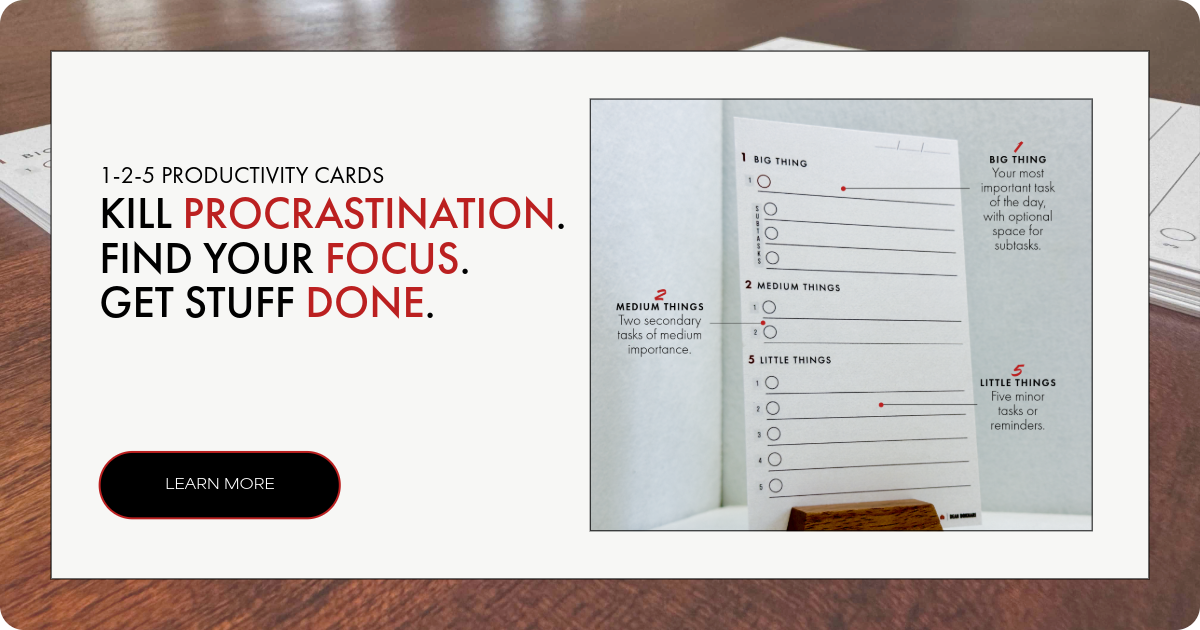
1-2-5 Daily Productivity Cards.

Gratitude Journal for men

BOOK LISTS
Free Self-Improvement Books + Guides
Popular guides
top podcasts




POPULAR SELF-DEVELOPMENT ARTICLES + PODCASTS:
The Ultimate Guide to Overcoming Lack of Motivation + Energy
10 Things to Remember if You Want to Do What You Love for a Living
7 Life-Changing Benefits of Weight Lifting
Design The Perfect Morning Ritual
Use Outcome Thinking To Get What You Want