Do You Have What It Takes to Be a CNA?
Collaborative Post
Choosing a career in healthcare is as much about finding stable employment as it is about understanding the realities of the role and where your strengths lie. If you have been considering a path in patient care, becoming a Certified Nurse Assistant, CNA for short, may have crossed your mind.
CNAs play an important role within healthcare teams. They often provide hands-on support to patients by assisting with daily activities, including bathing, dressing, mobility, eating, and monitoring vital signs. They also serve as a source of comfort and companionship, helping patients maintain dignity during vulnerable moments.
For those interested in pursuing this career path, CNA training can help develop the practical skills and foundational knowledge needed to begin working in patient care settings. But beyond education, certain personal qualities can make the profession a particularly good fit for you.
So how do you know whether becoming a CNA is the right fit for you?

You Embrace Learning
Healthcare is constantly evolving. New procedures emerge regularly. Additionally, it’s not uncommon for best practices to evolve to match new learnings and new social movements. As a result, as a professional, you are expected to continue building your knowledge throughout your career.
You don’t need to know everything from the start. However, a willingness to learn using the different methods and platforms available to you is essential. CNAs receive instruction in areas such as infection control, patient safety, communication, and basic caregiving techniques. Once on the job, they continue developing their abilities through experience and ongoing education.
So, if you enjoy acquiring new skills and are open to constructive feedback, you are likely to enjoy the learning aspect of healthcare and find it rewarding and motivating.
You Love Helping People
The CNA role is centered around supporting others.
Many of the responsibilities involved are practical. But their impact often extends far beyond completing a checklist of tasks. Assisting someone with daily routines can significantly influence the patient’s experience.
People who thrive as CNAs often derive satisfaction from knowing they’ve made someone’s day a little easier. If helping others brings you a sense of purpose, this professional may align closely with your values.
You Can Keep a Cool Head During Stressful Moments
Healthcare environments can be unpredictable, and patients’ needs can change quickly. So when new priorities shift, it’s important to remain calm in the face of emergencies. Successful CNAs have the ability to focus on the task at hand even when situations become stressful.
You Understand the Realities of the Role
Sometimes, interest in becoming a CNA comes from personal experience.
Perhaps you have visited a loved one in a nursing home and witnessed the dedication required to support residents every day. This experience can give you valuable insight into what caregiving truly entails.
The role is meaningful, but it is also emotionally and physically demanding. If you have observed it first-hand, you are more likely to understand the challenges of this path and to embrace them confidently.
If these qualities resonate with you, a career as a CNA may offer the opportunity to make a meaningful difference in the lives of others while building valuable experience within the healthcare field. Sometimes, the first step toward discovering your calling is recognizing that you already have many of the qualities needed to succeed.
—End of Collaborative Post—
Free self-development courses
👇
 |
 |
Free life guides
👇



Best-selling Self-development courses by Dean Bokhari
Kill procrastination.
|
Get motivated.
|
Connect with anyone.
|
freshly pressed:
Top Audiobooks narrated by Dean Bokhari on audible | |


Book summaries
- The Power of Habit by Charles Duhigg
- 12 Rules for Life by Jordan B. Peterson
- Presence by Amy Cuddy
- Leaders Eat Last by Simon Sinek
- The ONE Thing by Gary Keller, Jay Pasan
- Deep Work by Cal Newport



NAV

listen + subscribe



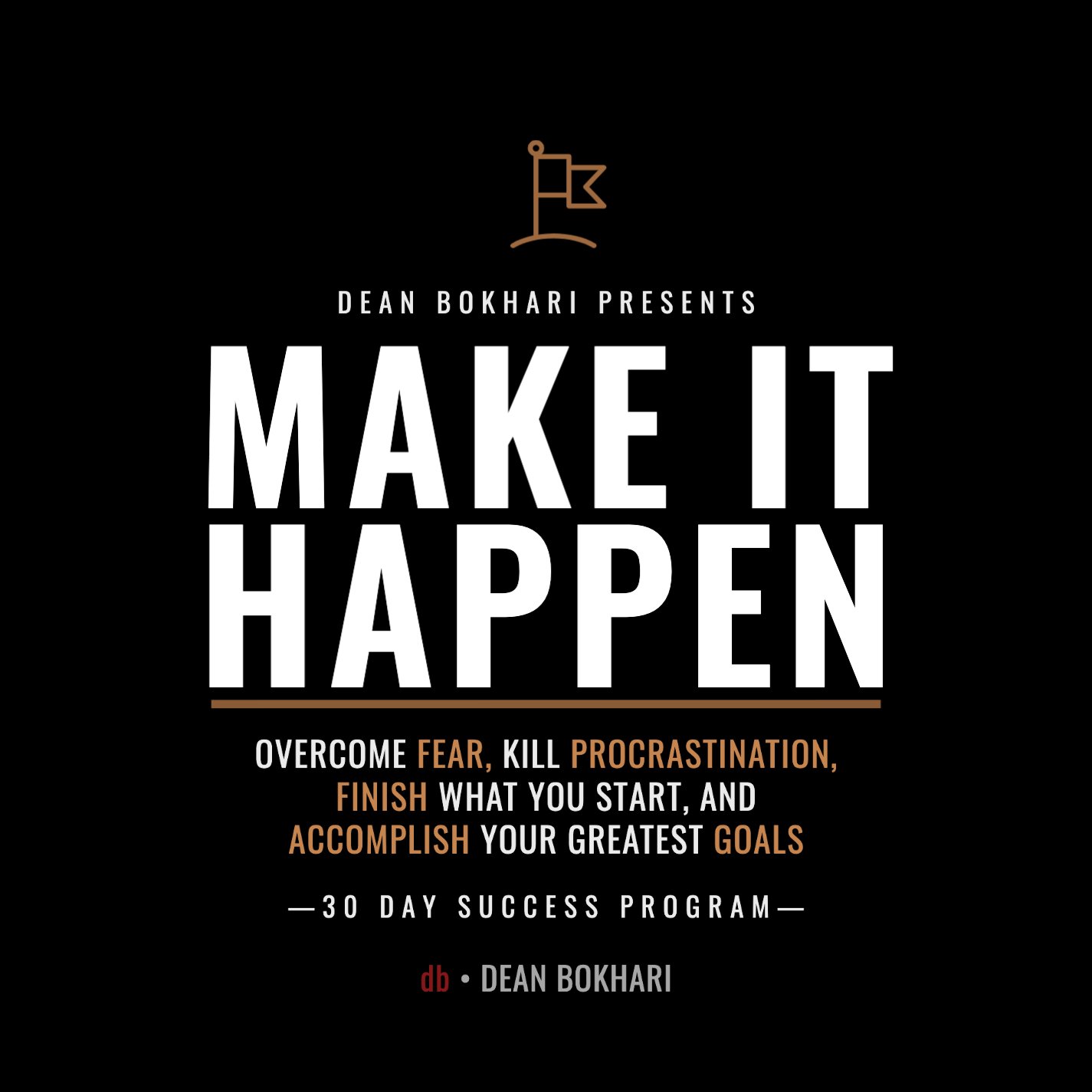
Overcome fear, beat procrastination, and accomplish your greatest goals with this 30-day success program by Dean Bokhari.
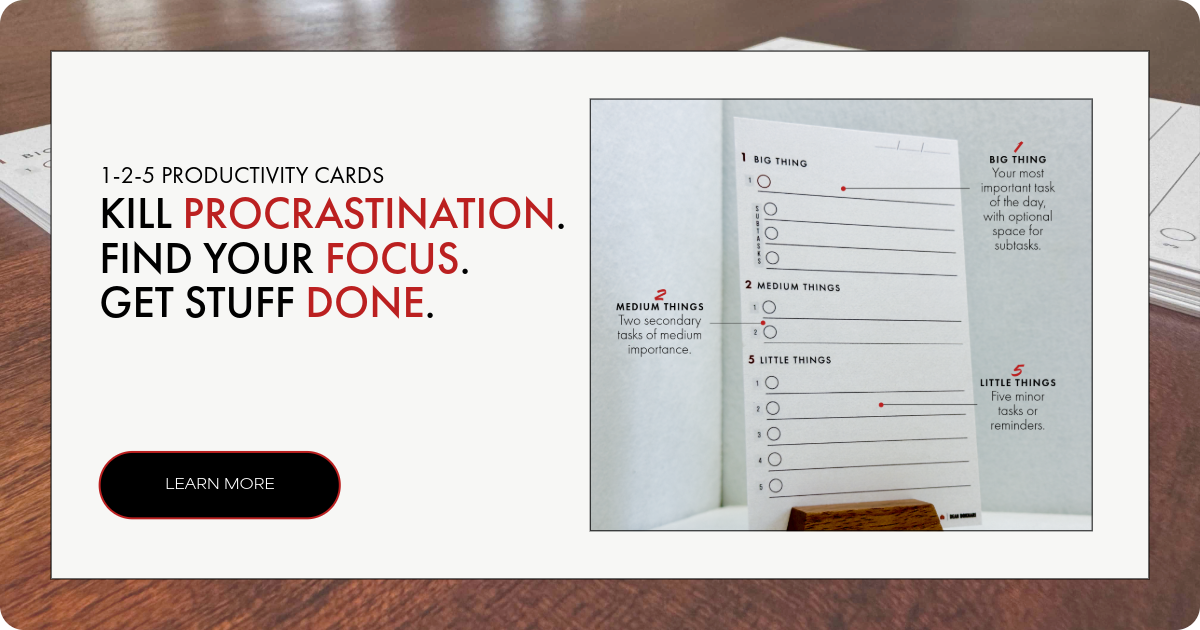
1-2-5 Daily Productivity Cards.

Gratitude Journal for men
BOOK LISTS
Free Self-Improvement Books + Guides
Popular guides
top podcasts




POPULAR SELF-DEVELOPMENT ARTICLES + PODCASTS:
The Ultimate Guide to Overcoming Lack of Motivation + Energy
10 Things to Remember if You Want to Do What You Love for a Living
7 Life-Changing Benefits of Weight Lifting
Design The Perfect Morning Ritual
Use Outcome Thinking To Get What You Want