Does Your Physical Introduction Match Your Coaching Philosophy?
Collaborative Post

Image Credit: Pexels
A client begins forming an impression of you before the first coaching conversation has properly started. Your greeting, posture, materials, and follow-up habits all communicate something about how you work. When those details reflect your coaching philosophy, people receive a consistent message: this is what I value, and this is how it will feel to work with me.
That alignment matters for independent coaches because trust often develops through small interactions. A thoughtful introduction can turn an informal meeting into the beginning of a productive professional relationship.
The Psychology of First Contact
People quickly look for cues about warmth, confidence, and credibility. A calm greeting, comfortable eye contact, and genuine interest can support a philosophy based on curiosity and client autonomy. A rushed introduction may create a very different impression, even when your words sound welcoming.
Your approach should also feel natural to you. Published work on coach education shows that philosophy develops through education, experience and reflection. Before your next networking event, choose three qualities that define your practice, such as direct, encouraging, and practical. Then check whether your tone, pace, and body language express those qualities when you meet someone new.
Translating Presence Into Print
Printed materials extend your introduction after a conversation ends. Keep them clear and consistent with the experience you offer. A coach who values simplicity might use generous white space, an easy-to-read typeface, and one concise description of their focus. Someone whose work centers on creative thinking could introduce restrained color or an unexpected layout while preserving readability.
Texture sends a message too. Coaches seeking a natural, understated presentation may find that 14pt natural cardstock business cards suit their professional identity. The light-cream stock has a smooth, uncoated finish and contains at least 30% post-consumer recycled material. Its writable surface also makes it practical for appointment reminders or brief notes. Include only useful details, such as your name, coaching specialty, email address, and website. Before ordering, print the design at actual size and ask two people what they notice first.
Leaving an Enduring Impression
A memorable introduction gives the other person a clear idea of whom you help. “I coach managers who are leading a team for the first time” offers more substance than a broad label. Add one sentence about your method, then return the conversation to the person in front of you.
Reviewing coaching philosophy examples can help you identify the principles that deserve a place in your introduction. Avoid copying someone else’s language. Choose words you would comfortably use during a session. Thinking about how to find your why and communicate your purpose can also help you explain the beliefs and values behind your coaching practice. When a conversation ends, connect your printed details to a useful next step, such as an article that addresses the challenge the person mentioned.
Overcoming In-Person Hesitations
Networking can feel awkward when you associate it with delivering a rehearsed pitch. Give yourself a smaller goal: have two useful conversations and learn one specific fact about each person. This keeps your attention on listening, which already sits at the heart of good coaching.
Prepare a flexible 20-second introduction so nerves don’t leave you searching for words. Try: “I work with professionals who want to communicate more clearly during periods of change. My coaching gives them space to test practical ways forward.” Pause there and let the other person respond. If handing over a card feels forced, wait until they ask how to stay in touch or offer it alongside a resource you’ve discussed.
Sustaining Organic Client Rapport
The quality of your follow-up determines whether a positive introduction becomes a real relationship. Within a day or two, send a short message that refers to one detail from the conversation. Skip generic sales language. A specific note such as “Your point about new managers avoiding difficult feedback stayed with me” shows that you listened.
As your client base grows, create a simple system for recording interests, promised resources, and suitable follow-up dates. Each contact should still sound like you, even when reminders and templates support the process.
Your physical introduction works best when it feels like an early sample of the coaching relationship. Let your next greeting, printed card, and follow-up note carry the same qualities clients will encounter when the real work begins.
—End of collaborative post—
Free self-development courses
👇
 |
 |
Free life guides
👇




Best-selling Self-development courses by Dean Bokhari
Kill procrastination.
|
Get motivated.
|
Connect with anyone.
|

freshly pressed:
Top Audiobooks narrated by Dean Bokhari on audible | |


Book summaries
- The Power of Habit by Charles Duhigg
- 12 Rules for Life by Jordan B. Peterson
- Presence by Amy Cuddy
- Leaders Eat Last by Simon Sinek
- The ONE Thing by Gary Keller, Jay Pasan
- Deep Work by Cal Newport





NAV

listen + subscribe




Overcome fear, beat procrastination, and accomplish your greatest goals with this 30-day success program by Dean Bokhari.
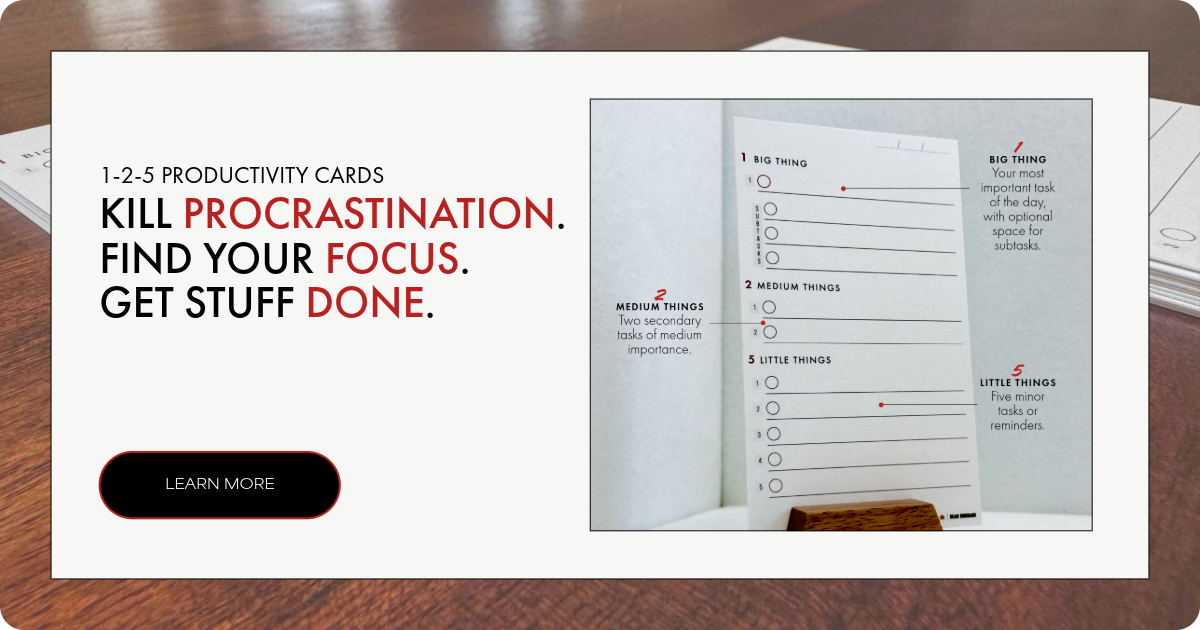
1-2-5 Daily Productivity Cards.

Gratitude Journal for men

BOOK LISTS
Free Self-Improvement Books + Guides
Popular guides


top podcasts






POPULAR SELF-DEVELOPMENT ARTICLES + PODCASTS:
The Ultimate Guide to Overcoming Lack of Motivation + Energy
10 Things to Remember if You Want to Do What You Love for a Living
7 Life-Changing Benefits of Weight Lifting
Design The Perfect Morning Ritual
Use Outcome Thinking To Get What You Want