How to Get Your Doctor to Refer You for an ADHD Diagnosis
Collaborative Post
Going to your GP to request a referral for an ADHD assessment can feel particularly high stakes, considering you only have 10 minutes to explain years of experience and get taken seriously.
This, coupled with the fact that not all GPs are up to date on recent changes to the diagnostic criteria and symptoms for ADHD, especially in women, can make it feel like an insurmountable challenge.
But the trick is to go into your appointment prepared, so make sure you leave with your referral so you're not relying on convincing your GP in the spur of the moment.
And these tips are going to help you do just that.
Prepare Before the Appointment
Walking in with a general sense of “I think I might have ADHD” gives your GP very little to work with. And it's not going to go in your favour at all.
You can complete the free evidence-based ADHD screening tool on the NHS website before you go in to help you collect evidence.
But the best thing to do is to take notes of your life on how you manage recurring issues you have that you think are due to adhd and track this for a couple of weeks so you can prove it's not just random incidents but something you battle with every single day.
Bring along as much evidence as you can to your appointment, as this gives your doctor more to work with and helps you build the case for them to take this further with you. Don't rely on trying to summarise it verbally; go prepared, have the evidence to back up your request and you'll automatically be in a stronger position.
Describe Specific Examples
Saying “I struggle to focus” isn't going to cut it here. And your doctor will simply dismiss you. You need to demonstrate repeated patterns so you can prove it's not just a sporadic thing that's happening to you.
Maybe you've missed three deadlines because you just can't get things completed on time despite trying. It might be forgetting appointments despite how many reminders you set or constantly being unable to start something that lacks interest for you no matter how important it is or urgently it needs to be done.
You need to track this, ideally over weeks or months or have a long history of these things repeating themselves. Don't rely on your memory recalling things on the spot.
If you can remember these patterns from childhood, or if you have specific incidences when it was apparent then, this will be helpful too.
Ask Directly for a Referral
A GP won't always suggest a referral unprompted even when the symptoms clearly warrant one. So you should always be prepared to ask directly rather than waiting on one to be offered. Phrasing it plainly, “based on what I’ve described, could I be referred for an ADHD assessment?” puts the request on record. If your GP then hesitates or seems unsure, you can ask what the issue is and why they are hesitant to move forward with this.
If your doctor still refuses or the wait in your area for an appointment seems excessive — in some cases, it can be years — then you might find opting for an adhd private diagnosis is the best option for you to get the answers and confirmation you need.
End of Collaborative Post • Published on: July 26th, 2026
Free self-development courses
👇
 |
 |
Free life guides
👇


Best-selling Self-development courses by Dean Bokhari
Kill procrastination.
|
Get motivated.
|
Connect with anyone.
|

freshly pressed:
Top Audiobooks narrated by Dean Bokhari on audible | |


Book summaries
- The Power of Habit by Charles Duhigg
- 12 Rules for Life by Jordan B. Peterson
- Presence by Amy Cuddy
- Leaders Eat Last by Simon Sinek
- The ONE Thing by Gary Keller, Jay Pasan
- Deep Work by Cal Newport




NAV

listen + subscribe



Overcome fear, beat procrastination, and accomplish your greatest goals with this 30-day success program by Dean Bokhari.
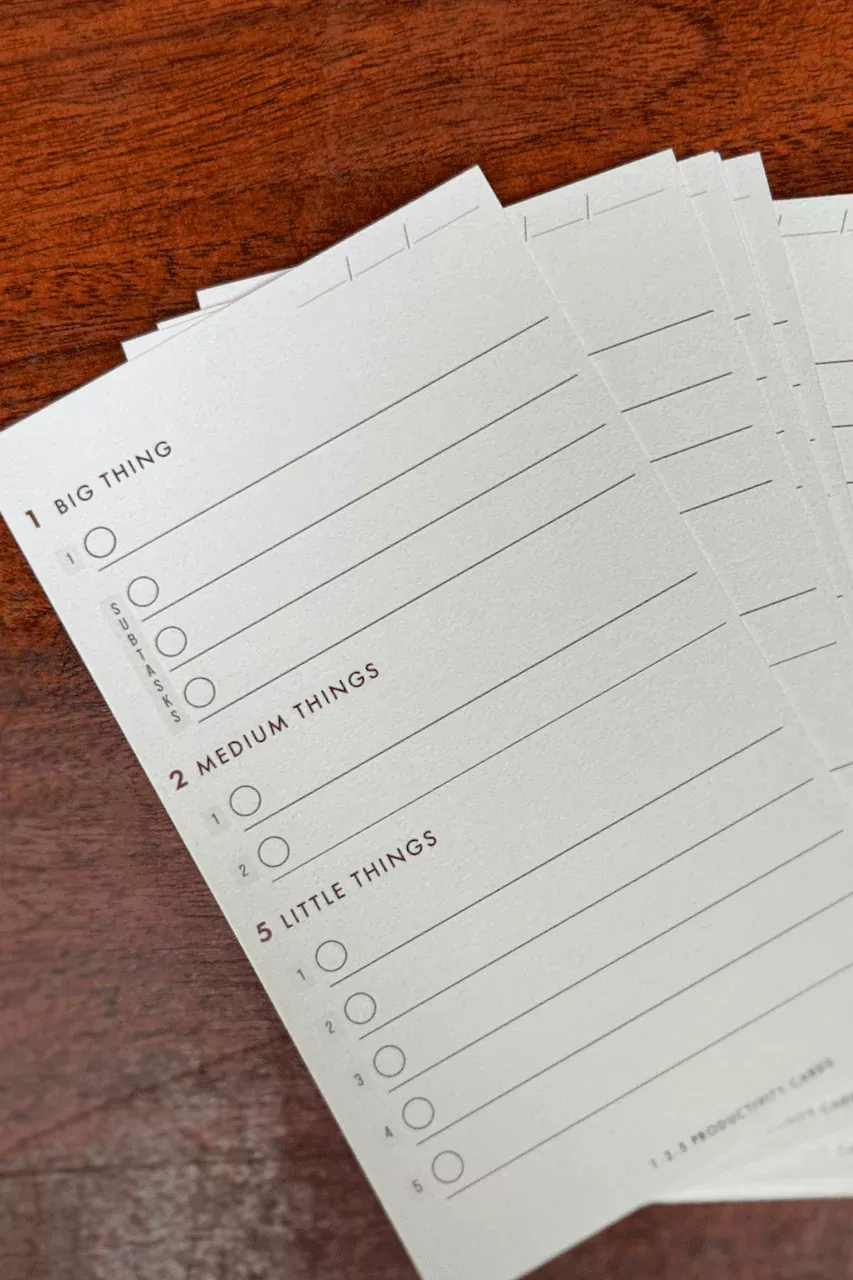
1-2-5 Daily Productivity Cards.
Gratitude Journal for men

BOOK LISTS
Free Self-Improvement Books + Guides
Popular guides
top podcasts




POPULAR SELF-DEVELOPMENT ARTICLES + PODCASTS:
The Ultimate Guide to Overcoming Lack of Motivation + Energy
10 Things to Remember if You Want to Do What You Love for a Living
7 Life-Changing Benefits of Weight Lifting
Design The Perfect Morning Ritual
Use Outcome Thinking To Get What You Want