Looking After Yourself In The Workplace
Collaborative Post
Work can take a surprising amount out of you. Even in roles that aren’t physically demanding, the constant switching between tasks, managing expectations, reading social dynamics, and keeping up performance can quietly wear down your energy over time. Looking after yourself at work isn’t just about avoiding burnout; it’s about staying steady enough that your work doesn’t start eroding everything else around it.

Self-care in a workplace context often gets reduced to surface-level advice, but in practice it’s more subtle. It sits in how you manage your attention, how you respond to pressure, and how you protect your sense of self inside environments that often reward overextension.
Finding a sustainable rhythm
One of the first things that tends to slip is pacing. Workplaces can implicitly encourage a kind of permanent urgency, where everything feels like it needs to be done now, even when it doesn’t. Over time, that pace becomes normal, and normal becomes exhausting.
Looking after yourself starts with noticing where your real limits are, not the ones the environment tries to set for you. That might mean resisting the reflex to always respond immediately, or allowing tasks to take the time they actually require rather than the time pressure suggests. It can also mean recognising that consistency matters more than bursts of overperformance followed by collapse. The aim isn’t to disengage from responsibility, but to stop treating every task as if it carries equal weight in your nervous system.

Boundaries that actually hold
Boundaries at work are often spoken about as if they’re simple to set, but in practice they’re negotiated moment by moment. They show up in how often you check messages outside work hours, how you respond to last-minute demands, and how willing you are to absorb extra work without question.
A useful way to think about boundaries is not as hard walls but as filters. Some things pass through, others don’t. Without those filters, everything enters your attention with the same intensity, which is where fatigue builds.
Even small choices matter here. Not answering everything instantly. Saying no without over-explaining. Not volunteering for every gap that appears just because you can fill it. Over time, these decisions shape the kind of workload you end up living inside.
The body as a warning system
It’s easy to treat physical signals as secondary in work settings, but the body is often the first place stress shows up. Tension in the shoulders, headaches that arrive at predictable times, disrupted sleep, or a constant background fatigue can all be signs that something in your working pattern is misaligned.
Ignoring those signals tends to work for a while, until it doesn’t. The more useful approach is to treat them as information rather than inconvenience. If your body consistently reacts to certain tasks, environments, or interactions, that reaction is telling you something about the cost of those conditions. Even basic interventions matter: stepping away from the screen regularly, eating properly during the day, and giving your attention real breaks rather than scrolling through more stimulation. These are not luxuries; they are maintenance.

The mental load you don’t see
A lot of workplace strain doesn’t come from the visible tasks themselves but from the invisible effort of managing them. Remembering everything, anticipating problems, smoothing over tensions, and maintaining a consistent professional persona all take cognitive energy.
This mental load becomes particularly heavy when it isn’t acknowledged. If you find yourself constantly thinking about work outside of working hours, it may not just be workload volume but the number of open loops your mind is trying to hold at once.
One way to reduce this pressure is to externalise more of it. Writing things down, clarifying priorities, and making expectations explicit can help reduce the background noise that follows you home. It’s not about becoming more organised for its own sake, but about giving your mind fewer things to carry at once.
Relationships at work
Workplaces are social systems as much as they are task systems. The quality of your interactions with colleagues can either stabilise your experience or quietly drain it. You don’t need to be friends with everyone, but you do need clarity. Misunderstandings, unclear roles, or unspoken tensions tend to accumulate and turn into chronic stressors. Direct communication, even when slightly uncomfortable, often prevents larger problems later.
It also helps to notice when you are routinely placed in emotionally absorbing roles - such as mediator, fixer, or constant supporter - without that being recognised or reciprocated. These roles can feel harmless in the moment but become draining when they aren’t balanced.
When things cross a line: sexual harassment at work
One of the most serious disruptions to wellbeing in any workplace is sexual harassment. It can range from inappropriate comments and unwanted attention to more direct forms of coercion or intimidation. Regardless of form, its impact is often less about the single incident and more about the way it changes how safe and comfortable someone feels in their working environment.
If something feels inappropriate, dismissing that instinct usually makes things worse over time. Sexual harassment often thrives in ambiguity and silence, where the person affected starts questioning whether it “counts” or whether they’re overreacting. In reality, the threshold is not about how others interpret it, but about whether the behaviour is unwelcome and impacts your ability to work without discomfort or pressure.
Recovery during the working week
Not all recovery happens outside of work. Small moments during the day can make a significant difference to how the overall load accumulates. Brief periods where you are not performing, responding, or producing anything help reset attention.
This might look like stepping away from screens without filling the gap, taking time to eat without multitasking, or allowing yourself to finish a task without immediately jumping to the next one. These pauses aren’t inefficiencies; they are part of sustaining attention over time.
—End of Collaborative Post—
Free self-development courses
👇
 |
 |
Free life guides
👇
Best-selling Self-development courses by Dean Bokhari
Kill procrastination.
|
Get motivated.
|
Connect with anyone.
|
freshly pressed:
Top Audiobooks narrated by Dean Bokhari on audible | |

Book summaries
- The Power of Habit by Charles Duhigg
- 12 Rules for Life by Jordan B. Peterson
- Presence by Amy Cuddy
- Leaders Eat Last by Simon Sinek
- The ONE Thing by Gary Keller, Jay Pasan
- Deep Work by Cal Newport


NAV

listen + subscribe

Overcome fear, beat procrastination, and accomplish your greatest goals with this 30-day success program by Dean Bokhari.
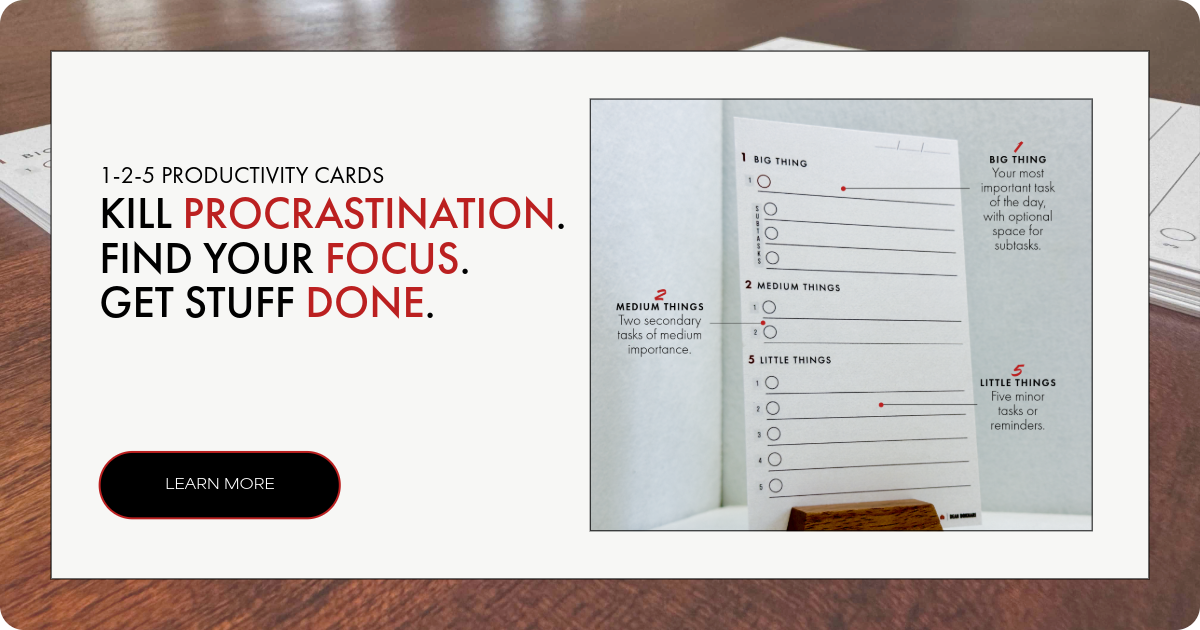
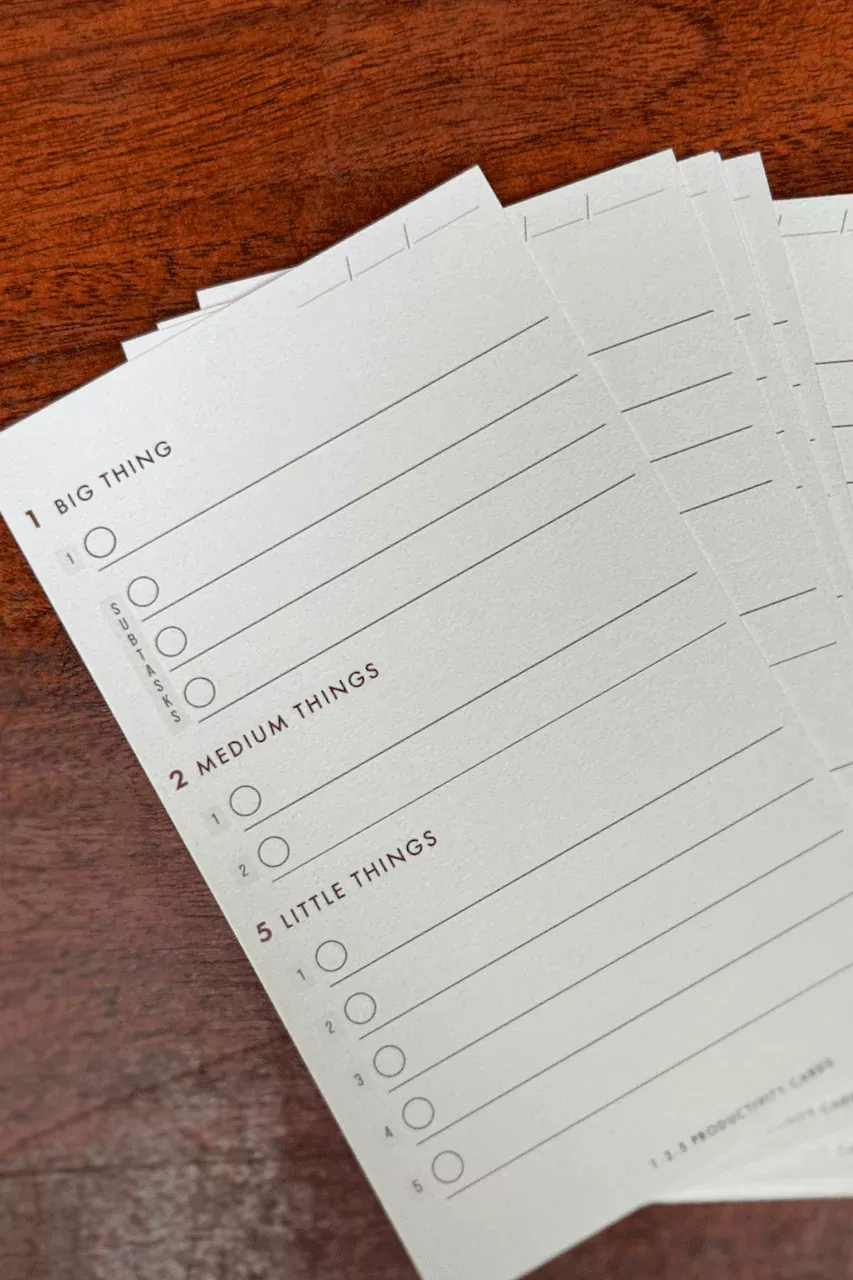
1-2-5 Daily Productivity Cards.
Gratitude Journal for men
BOOK LISTS
Free Self-Improvement Books + Guides
Popular guides
top podcasts

POPULAR SELF-DEVELOPMENT ARTICLES + PODCASTS:
The Ultimate Guide to Overcoming Lack of Motivation + Energy
10 Things to Remember if You Want to Do What You Love for a Living
7 Life-Changing Benefits of Weight Lifting
Design The Perfect Morning Ritual
Use Outcome Thinking To Get What You Want