How to Build a Maintenance Calendar that Actually Gets Followed
Collaborative Post

New businesses usually don’t ignore maintenance because they don’t care. It's not exactly like they’re ignoring it from the start. Usually, you’re just trying to hurry up and just level up your business, so there’s just other things that are getting priority, which makes complete sense, of course. Instead, you could see it more as maintenance, being this thing where it’s a “later” problem, because there are so many “right now” problems. Just think about it: sales, staffing, customer issues, cash flow, getting the doors open, keeping the doors open.
So yeah, it makes sense that a preventive maintenance calendar doesn’t feel urgent when everything else is loud. You just have to keep in mind here that bigger businesses don’t stay bigger because they’re lucky; they stay bigger because they build systems that prevent small issues from turning into expensive emergencies. Well, at least that's one of the things that helps.
But a maintenance calendar is one of those systems, and it doesn’t have to be complicated to actually work, but its up to you and your team to actually make it work though.
What Could Shut the Business Down?
Okay, first, the calendar can’t start with everything. If it tries to cover every bolt and filter from day one, it won’t get followed. The starting point should be the components that can cause downtime, safety issues, or big repair costs if they fail. That’s the high-impact list. Now, of course, it’s going to depend on the business itself and even the industry, too, what you have, etc. So, for example, compressors are pretty common in a lot of businesses and industries. There’s HVACs, fridges, forklifts, pumps, electrical panels, safety systems, and pressure-related equipment. In some operations, well, you get the idea at this point.
But it can even include specific parts like kunkle relief valves, because anything tied to pressure protection isn’t the place for “hope it’s fine.” Which, yes, a lot of businesses will run on hope, which clearly is a horrible idea here. But the point here is picking the critical few things first, then expanding later once the routine is actually built.
The Calendar Needs to be Ridiculously Easy to Follow
Which just can't be stressed enough here! But a maintenance calendar fails when it’s hard to use. That sounds obvious, but it’s the most common issue. If the calendar lives in someone’s head, it won’t survive vacations or busy weeks. If it lives on a spreadsheet nobody opens, it won’t survive reality either. Which, at this point, might be obvious. But what can be done to actually make this easy to follow?
A lot of businesses will just set recurring reminders or will attach quick notes about what’s being checked, how long it should take, and where the documentation should go. And yeah, keep tasks realistic. But think about it, a calendar that expects two hours of maintenance every day is a calendar that will be ignored by the second week.
Yes, You Need to Assign Ownership
No, people won’t remember, no, there probably won’t be initiative either. Basically, if maintenance is everyone’s responsibility, it becomes no one’s responsibility. It gets pushed to the side because everyone assumes someone else will handle it. Hence, there needs to be people who take ownership in certain categories.
—End of collaborative post—
Free self-development courses
👇
 |
 |
Free life guides
👇




Best-selling Self-development courses by Dean Bokhari
Kill procrastination.
|
Get motivated.
|
Connect with anyone.
|

freshly pressed:
Top Audiobooks narrated by Dean Bokhari on audible | |


Book summaries
- The Power of Habit by Charles Duhigg
- 12 Rules for Life by Jordan B. Peterson
- Presence by Amy Cuddy
- Leaders Eat Last by Simon Sinek
- The ONE Thing by Gary Keller, Jay Pasan
- Deep Work by Cal Newport





NAV

listen + subscribe




Overcome fear, beat procrastination, and accomplish your greatest goals with this 30-day success program by Dean Bokhari.
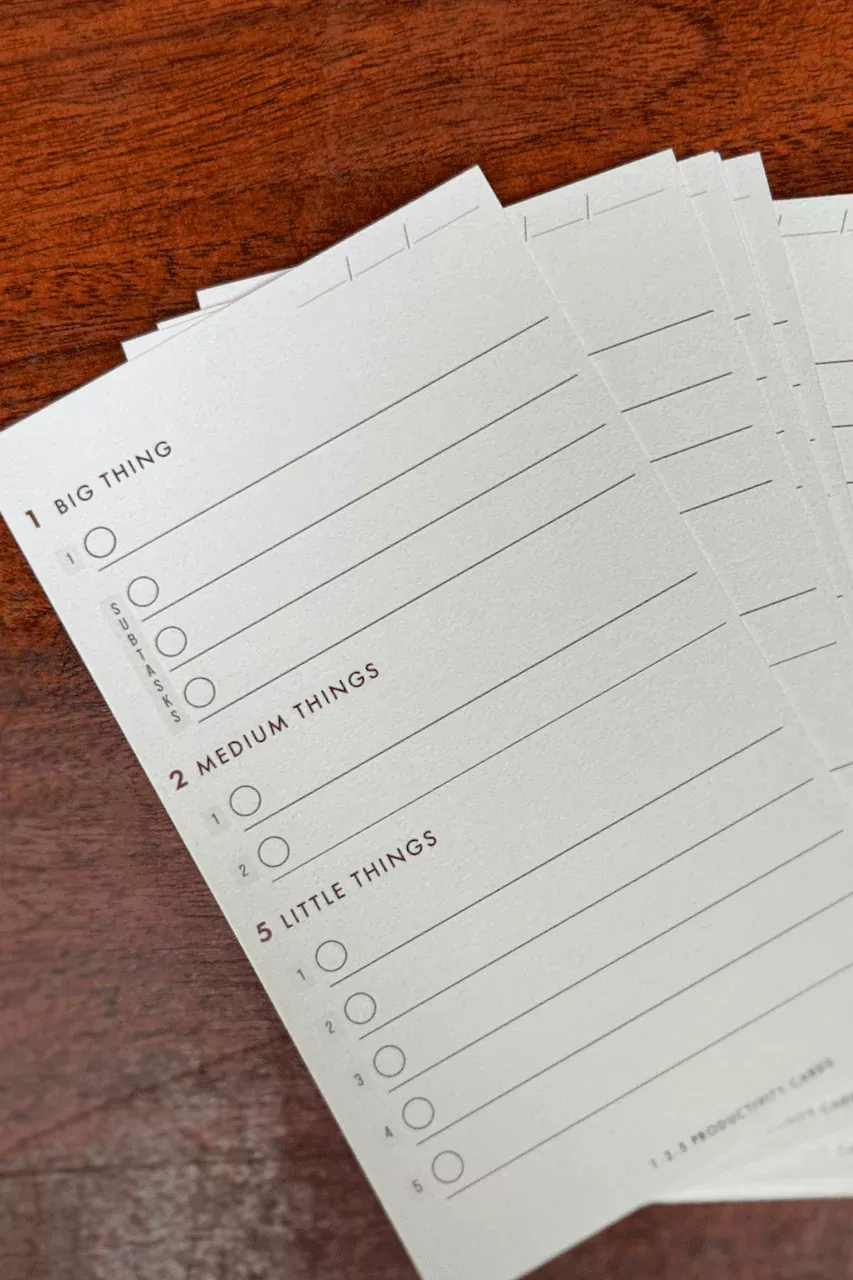
1-2-5 Daily Productivity Cards.
Gratitude Journal for men

BOOK LISTS
Free Self-Improvement Books + Guides
Popular guides
top podcasts





POPULAR SELF-DEVELOPMENT ARTICLES + PODCASTS:
The Ultimate Guide to Overcoming Lack of Motivation + Energy
10 Things to Remember if You Want to Do What You Love for a Living
7 Life-Changing Benefits of Weight Lifting
Design The Perfect Morning Ritual
Use Outcome Thinking To Get What You Want