The Power of Mindset Mastery: Essential Skills for Guiding Self-Improvement and Transformation
Collaborative post

Image credit Unsplash
Have you ever felt stuck, like you're hitting the same invisible wall over and over? You have goals and ambitions, but something holds you back from truly reaching them. Often, that "something" isn't an external barrier but an internal one: your mindset. Mastering your mindset isn't about forced positivity or ignoring challenges. It's about fundamentally changing how you interpret your world, your abilities, and your potential for growth. This shift unlocks genuine self-improvement and lasting transformation.
What Does Mindset Mastery Actually Mean?
At its heart, mindset mastery is the conscious ability to choose your perspective. It's the difference between seeing a setback as a final failure and seeing it as a valuable learning opportunity. Psychologist Carol Dweck developed the most well-known framework for this, identifying two primary mindsets: fixed and growth.
A fixed mindset assumes that our intelligence, talents, and character are static. You're either good at something, or you're not. A growth mindset, on the other hand, believes that you can develop abilities through dedication and hard work. This simple distinction profoundly impacts how we handle challenges and pursue goals. A key part of mastering your mindset is recognizing which mindset currently guides your thoughts and actions, then learning to actively nurture a growth-oriented perspective.
Rewiring Your Brain: The Science of Transformation
Changing your mindset might sound abstract, but it's rooted in the very real science of neuroplasticity. This is your brain's incredible ability to reorganize itself by forming new neural connections throughout life. Every time you learn a new skill, challenge a limiting belief, or choose a different reaction, you are physically rewiring your brain. Your thoughts aren't just fleeting events; they are electrical and chemical signals that carve pathways in your neural architecture.
Consistently practicing new ways of thinking strengthens these new pathways, making growth-oriented thoughts more automatic over time. It's like creating a new, well-worn trail in a forest. At first, it takes effort, but soon it becomes the default route. For those called to guide others through this process, professional paths like accredited hypnotherapy training offer structured ways to learn techniques that support profound mental shifts within a supportive, ethical framework.
Everyday Habits to Cultivate a Growth Mindset
Shifting your mindset doesn't happen overnight. It's built through small, consistent actions that reinforce a new way of thinking. Adding these simple practices to your daily routine can build momentum and help you transform your life.
Here are a few techniques to get you started:
- Reframe your self-talk: Pay attention to how you speak to yourself. When you catch yourself thinking, "I can't do this," try adding the word "yet." This small change opens the door to possibility and personal growth.
- Embrace challenges: Instead of avoiding difficult tasks, view them as chances to learn and expand your skills. Ask yourself, "What can I learn from this?" rather than, "What if I fail?"
- Focus on the process, not just the outcome: Celebrate your effort, persistence, and the strategies you use along the way. Acknowledging your hard work reinforces the idea that your abilities are within your control to develop.
Navigating the Hurdles on Your Path to Change
Even with the best intentions, you will encounter roadblocks. Your old, fixed-mindset habits have been around for a long time and won't disappear without a fight. One of the biggest hurdles is "imposter syndrome," the nagging feeling that you're a fraud and will be found out. When this feeling arises, acknowledge it without letting it take over. Remind yourself of past successes and the effort you've put in.
Another common obstacle is the fear of failure. A growth mindset doesn't eliminate failure; it reframes it. Failure becomes data, not a judgment of your worth. When you stumble, treat it as a crucial part of the learning process. Analyze what went wrong, adjust your approach, and try again. Being patient and compassionate with yourself during these moments is essential for staying the course.
Making Mindset Mastery a Lifelong Skill
True mindset mastery isn't a destination; it's an ongoing practice. Some days, a fixed mindset will creep back in, and that's okay. The goal isn't perfection but awareness. The real skill is recognizing when you've slipped into a limiting thought pattern and gently guiding yourself back to a growth perspective.
Think of it like physical fitness. You don't go to the gym once and consider yourself fit for life. You maintain it through regular exercise. Similarly, you maintain a growth mindset by consistently reframing your thoughts, seeking challenges, and learning from your experiences. It becomes a fundamental part of who you are and how you engage with the world.
By choosing your perspective and committing to the practice, you empower yourself to learn, adapt, and grow through life's ups and downs. That is the true power of mindset mastery.
End of collaborative post • published: 8/25/26
Free self-development courses
👇
 |
 |
Free life guides
👇




Best-selling Self-development courses by Dean Bokhari
Kill procrastination.
|
Get motivated.
|
Connect with anyone.
|

freshly pressed:
Top Audiobooks narrated by Dean Bokhari on audible | |


Book summaries
- The Power of Habit by Charles Duhigg
- 12 Rules for Life by Jordan B. Peterson
- Presence by Amy Cuddy
- Leaders Eat Last by Simon Sinek
- The ONE Thing by Gary Keller, Jay Pasan
- Deep Work by Cal Newport





NAV

listen + subscribe



Overcome fear, beat procrastination, and accomplish your greatest goals with this 30-day success program by Dean Bokhari.
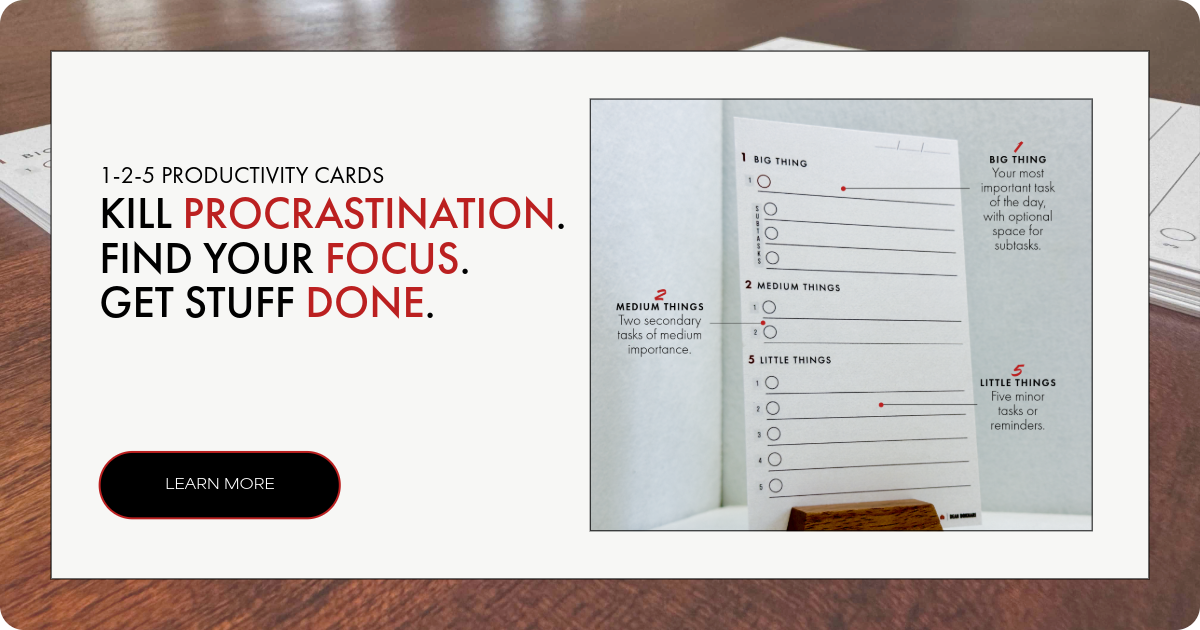
1-2-5 Daily Productivity Cards.

Gratitude Journal for men

BOOK LISTS
Free Self-Improvement Books + Guides
Popular guides
top podcasts






POPULAR SELF-DEVELOPMENT ARTICLES + PODCASTS:
The Ultimate Guide to Overcoming Lack of Motivation + Energy
10 Things to Remember if You Want to Do What You Love for a Living
7 Life-Changing Benefits of Weight Lifting
Design The Perfect Morning Ritual
Use Outcome Thinking To Get What You Want