Establishing The Reputation That Carries Your Business
COLLABORATIVE POST

Define Your Brand Identity
Your public image isn’t something you should allow the public to shape for you, entirely. It’s a conversation that can start with the first word by defining your brand and what it represents. A brand is more than your logo, color scheme, or tagline; it’s the values, personality, and mission that are at the base of how you communicate with customers and present yourself. Whether you go for friendly and approachable, innovative and cutting-edge, or premium and luxurious, shape the brand that starts forming the idea of your business in the mind of your customers, and you can create an expectation that, when fulfilled, becomes your reputation.
Build A Website That Reflects Your Commitment
Your website is not only the online representation of everything that makes your brand, including the imagery, language, and tone, but it’s also your opportunity to showcase your dedication to a great customer experience, as well. A strong website is visually appealing, yes, but it’s also easy to use, fast-loading, and allows users to quickly navigate to find precisely the answers they want to find, whether it’s product and service descriptions or to get in touch directly with your team. A poor website, on the other hand, is one that looks unprofessional, has very little information for your customers, and doesn’t include any markers of trust, such as reviews and testimonials.
Spread Your Message Far And Wide
A far-reaching, but precisely targeted marketing campaign can help you get your brand, products, and services in front of customers to directly lead sales your way, but it also builds the visibility you need to make some room in the mind of the market, as well. Working with a digital marketing agency to establish your approach to SEO, paid ads, social media campaigns, email marketing, or whatever other methods suit your business goals can ensure that you’re giving your business the professional sheen that it needs. Care does have to be taken to ensure that you’re targeting the right audience and maintaining a consistent and cohesive message across the various marketing formats you use, but overall, a good digital presence helps you build credibility and increase engagement, giving you more control over how your business is perceived.
Provide The Support Your Customers Need
Even if your user experience is the best, your products and services meet the expectations of your customers, and you manage to get your messaging across perfectly, if you can’t support those customers when they need it, it can be a huge negative mark on your record. Providing fast, friendly, and knowledgeable support shows customers that you care about more than just the sale, and shows them that you stand behind your products and services. Provide support however you can, through email, chat platforms, phone, or social media accounts, or preferably through multiple. Mistakes do happen, and customers will encounter real issues that you have to take responsibility for, but being there to fix them can go a long way to creating even more loyal and dedicated customers.

Take Your Responsibilities Seriously
You have a responsibility to more than just the satisfaction of your customers. For instance, given how online many of today’s major businesses are, nowadays, they have serious responsibilities when it comes to protecting and ensuring the appropriate use of any data their customers share with them. Data breaches are not only costly in monetary terms, but they can also cost businesses their reputation, leading customers to never trust them again with their data. Know what you’re responsible for and do what you can to secure it, and to use it in keeping with the expectations of your customers.
Cultivate A Positive Community
One of the trends currently dominating the marketing landscape is the increasing role that the community is able to play. Word of mouth and positive social proof have always played a big part in establishing the place of a business in the mind of its customers and clients, but this is only more true in today’s digitally dominated landscape. Engaging your audience through social media groups, email newsletters, and events can give you the opportunity to cultivate a true fanbase, asking for feedback, sharing behind-the-scenes information, and showing customers that their voices and their opinions matter. This can lead to user-generated content or taking the opportunity to share customer stories and celebrate their successes, not just your own. All of this builds natural advocates for your brand.
Handle Reviews Well
There are few things that can shape public perception as reviews, so how you manage them is vital. They should be addressed with care and professionalism at the forefront. You can encourage positive reviews from satisfied customers by showing them how to easily go through the process and by sending a reminder at the right moment. However, negative reviews matter just as much. Addressing them shows that you do care about customer feedback. While snark-based interaction has helped some brands get some viral momentum, the strategy that’s more reliable, by far, is to stay calm, professional, and aim to find solutions with the reviewer, even if you have to get in touch with them on a more personal level. Most people prefer to see their businesses mature and accountable.
A business’s reputation is both talking the talk and walking the walk. Words without deeds to support them can show as hollow, but putting in the work and not being able to shine a spotlight on it can stop you from getting the respect and credit you deserve. Hopefully, the tips above show you how to make all of it work together.
— End of collaborative post —
Free self-development courses
👇
 |
 |
Free life guides
👇




Best-selling Self-development courses by Dean Bokhari
Kill procrastination.
|
Get motivated.
|
Connect with anyone.
|

freshly pressed:
Top Audiobooks narrated by Dean Bokhari on audible | |


Book summaries
- The Power of Habit by Charles Duhigg
- 12 Rules for Life by Jordan B. Peterson
- Presence by Amy Cuddy
- Leaders Eat Last by Simon Sinek
- The ONE Thing by Gary Keller, Jay Pasan
- Deep Work by Cal Newport






NAV

listen + subscribe




Overcome fear, beat procrastination, and accomplish your greatest goals with this 30-day success program by Dean Bokhari.
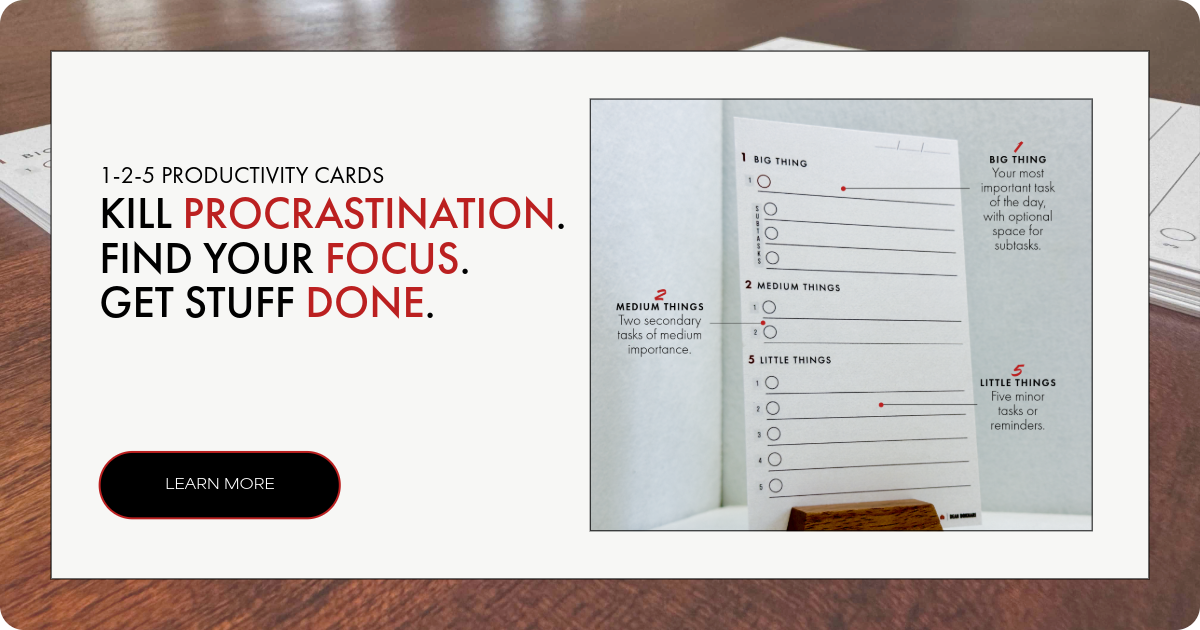
1-2-5 Daily Productivity Cards.

Gratitude Journal for men

BOOK LISTS
Free Self-Improvement Books + Guides
Popular guides


top podcasts




POPULAR SELF-DEVELOPMENT ARTICLES + PODCASTS:
The Ultimate Guide to Overcoming Lack of Motivation + Energy
10 Things to Remember if You Want to Do What You Love for a Living
7 Life-Changing Benefits of Weight Lifting
Design The Perfect Morning Ritual
Use Outcome Thinking To Get What You Want