Returning To Work After Mental Health Leave: Helpful Tips
Collaborative Post
It can be tough to get back to work after you have been signed off by a doctor due to your mental health. Indeed, there can be a lot of stress associated with your return, and it's easy to worry about whether you will cope and what your bosses and colleagues think of you. That is why we have put together this helpful guide, full of suggestions that can help you make a smoother transition. Read on to find out what they are.
Preparing to return
Before you return to work after a leave of absence caused by mental health troubles, it's a good idea to carefully plan what your return will look like. This means talking to your employer about what they expect from you and what your specific duties will be. You should also talk to them about any workplace accommodations that you need to do your job comfortably, something that in many cases they are required to provide by law.
It also means ensuring that your return to work is a gradual one, where taking on responsibilities is properly paced. In this way, you can avoid getting overwhelmed and ensure the transition back to work goes much more smoothly.
Getting the go-ahead and return
Often, when you have been struggling with your mental health, you will need to officially go ahead to go back to work. This may be from your doctor or therapist, or in some cases, it can be from an official body that offers PHP assessments. PHP or professional health plan assessments are evaluations that licensed healthcare workers require to return to work, and the good news is that they can now be done remotely online. This means workers will not have the hassle of travelling for the assessment, and that the wait and the process are super fast too. Allowing you to go back to your career asap after you feel ready.
Having a plan in place for stressful days
There are always going to be stressful days when it comes to work, and it's best to have a plan in place to support yourself for when they do happen. In this way, you can ensure that you properly manage your stress levels, so work remains doable.
One such plan that you can put in place is to use short mindfulness breaks. These can be just a few minutes, but they allow you to pause and check in with your mind and body, assessing your stress levels and readjusting accordingly.
It also makes sense to make sure you know what the early signs of stress look like, so you can take action, such as seeking support, before the crisis point.
Maintaining your mental well-being over the long term
Last of all, when retaining work after mental health leave, it's a good idea to consider what you will do to maintain your mental wellbeing over the long term. This can include committing to continued therapy or counselling, ensuring a proper work-life balance, building supportive relationships at work, and making sure that you schedule enough time for fun and self-care activities as well.
—End of collaborative post—
Free self-development courses
👇
 |
 |
Free life guides
👇




Best-selling Self-development courses by Dean Bokhari
Kill procrastination.
|
Get motivated.
|
Connect with anyone.
|

freshly pressed:
Top Audiobooks narrated by Dean Bokhari on audible | |


Book summaries
- The Power of Habit by Charles Duhigg
- 12 Rules for Life by Jordan B. Peterson
- Presence by Amy Cuddy
- Leaders Eat Last by Simon Sinek
- The ONE Thing by Gary Keller, Jay Pasan
- Deep Work by Cal Newport






NAV

listen + subscribe




Overcome fear, beat procrastination, and accomplish your greatest goals with this 30-day success program by Dean Bokhari.
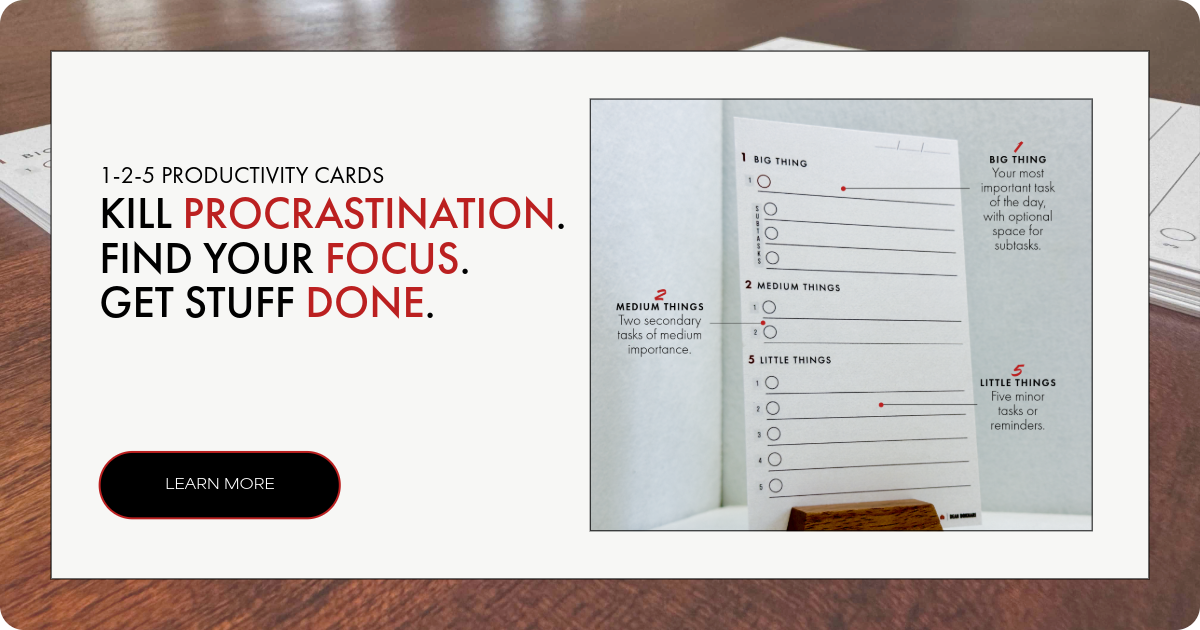
1-2-5 Daily Productivity Cards.

Gratitude Journal for men

BOOK LISTS
Free Self-Improvement Books + Guides
Popular guides
top podcasts







POPULAR SELF-DEVELOPMENT ARTICLES + PODCASTS:
The Ultimate Guide to Overcoming Lack of Motivation + Energy
10 Things to Remember if You Want to Do What You Love for a Living
7 Life-Changing Benefits of Weight Lifting
Design The Perfect Morning Ritual
Use Outcome Thinking To Get What You Want