Taking Control of Your Health Journey
Collaborative post

Image Credit: Unsplash
Your health is one of your most valuable assets, and managing it should be an active, ongoing process. Many people only visit a doctor when something feels wrong, falling into a reactive pattern. Shifting this mindset toward a more engaged and preventative approach can significantly improve your long-term well-being and quality of life. Taking control means understanding your body, recognizing changes, and making consistent choices that support your physical and mental wellness.
Proactive Steps for Wellness
Good health starts with proactive choices, not just reactive treatments. This means focusing on what you can do every day to prevent illness and stay vital. Instead of waiting for symptoms to appear, you can build a lifestyle that strengthens your body's natural defenses. This involves regular physical activity, a balanced diet rich in whole foods, and enough sleep. Adopting proactive health management empowers you to become a partner in your own care. It’s about scheduling regular check-ups even when you feel fine and learning what your body needs to function at its best.
Monitoring Key Health Indicators
Knowledge is power, especially when it comes to your health. Learning how to self-monitor your health provides valuable insights that can help you and your doctor track your progress. Key indicators to watch include blood pressure, resting heart rate, body weight, and blood sugar levels, particularly if you have risk factors for certain conditions. You don't need to obsess over numbers, but knowing your baseline metrics can help you spot trends or changes early. Many smartwatches and fitness trackers can monitor these indicators automatically, making it easier than ever to stay informed about your body’s status.
Understanding Interconnected Health
The human body is a complex system where one area of health directly affects another. A condition in one part of the body can create unexpected symptoms elsewhere. For example, chronic conditions like diabetes are not just about blood sugar. This is why a connection exists between diabetes and hearing loss, as high blood sugar can damage the small blood vessels and nerves in the inner ear. Understanding these connections helps you see your health as a whole picture, encouraging you to manage chronic conditions more diligently to prevent secondary complications.
Building a Support Network
You don't have to manage your health alone. Building a strong support network is a vital part of the process. This network starts with a primary care physician you trust and feel comfortable talking with. It can also include specialists, a physical therapist, a nutritionist, or a mental health professional. Beyond medical experts, your support system includes family and friends who encourage your better habits. They are the ones who will join you for a walk, share a healthy meal, or simply offer a listening ear. Finding this community makes sticking to your goals much more achievable and less isolating.
Actionable Steps for Better Health
Taking charge of your health can feel like a big task, but small, consistent actions add up over time. You can start today with simple, manageable steps.
- Schedule an annual physical: Use this time to discuss any concerns and establish a baseline for your health with your doctor.
- Move your body daily: Aim for at least 30 minutes of moderate activity, like a brisk walk, most days of the week.
- Prioritize sleep: Strive for 7-9 hours of quality sleep per night to allow your body to rest and repair.
- Hydrate properly: Drink plenty of water throughout the day. It's essential for energy, brain function, and overall health.
- Read food labels: Become more aware of the ingredients, sugar, and sodium in the foods you eat to make more informed choices.
Choosing just one of these actions and incorporating it into your routine is a powerful first step. As you build momentum, you can gradually add more healthy habits. The goal is progress, not perfection.
—End of collaborative post—
Free self-development courses
👇
 |
 |
Free life guides
👇



Best-selling Self-development courses by Dean Bokhari
Kill procrastination.
|
Get motivated.
|
Connect with anyone.
|

freshly pressed:

Top Audiobooks narrated by Dean Bokhari on audible | |


Book summaries
- The Power of Habit by Charles Duhigg
- 12 Rules for Life by Jordan B. Peterson
- Presence by Amy Cuddy
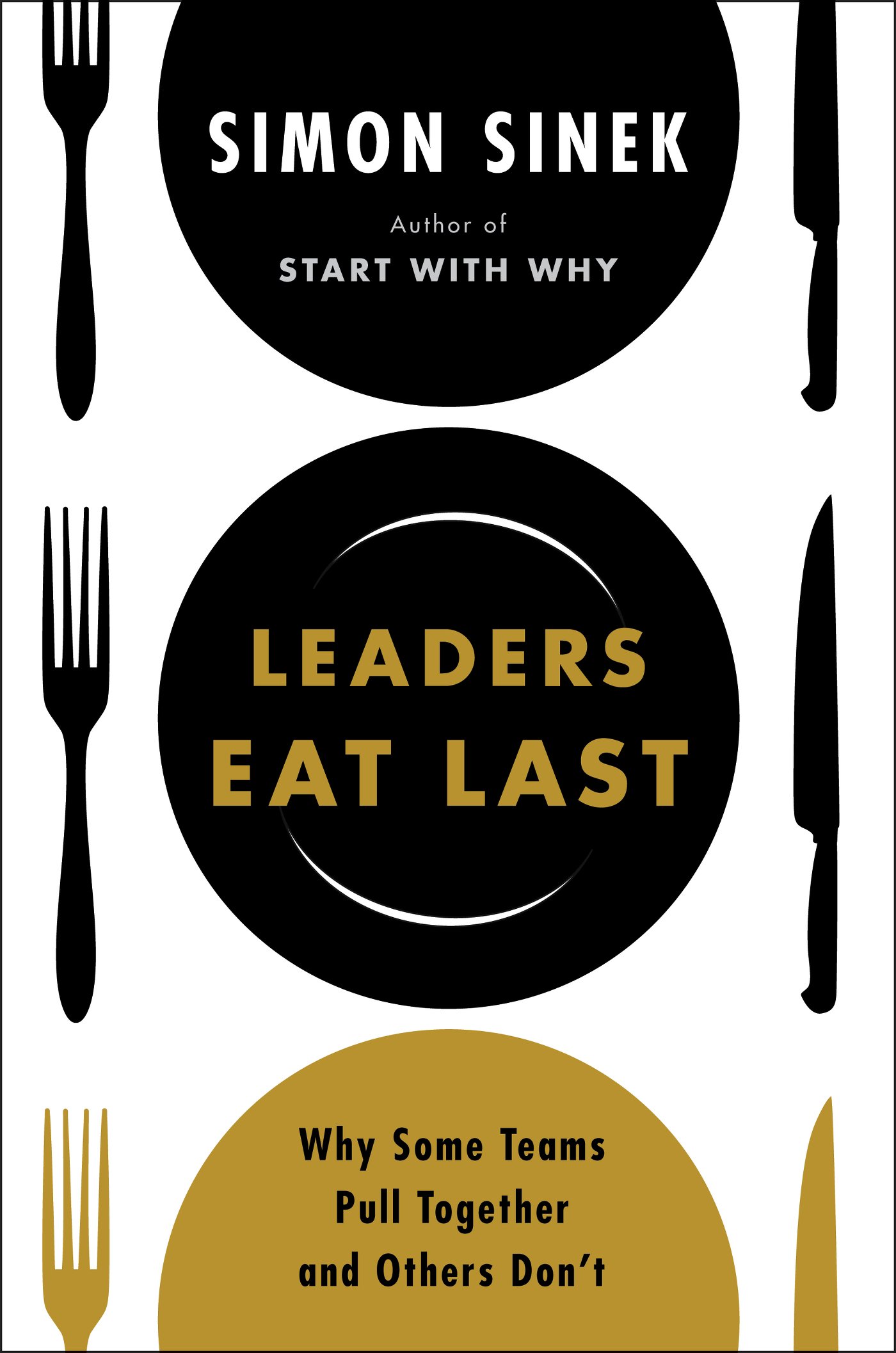
- Leaders Eat Last by Simon Sinek
- The ONE Thing by Gary Keller, Jay Pasan
- Deep Work by Cal Newport





NAV

listen + subscribe



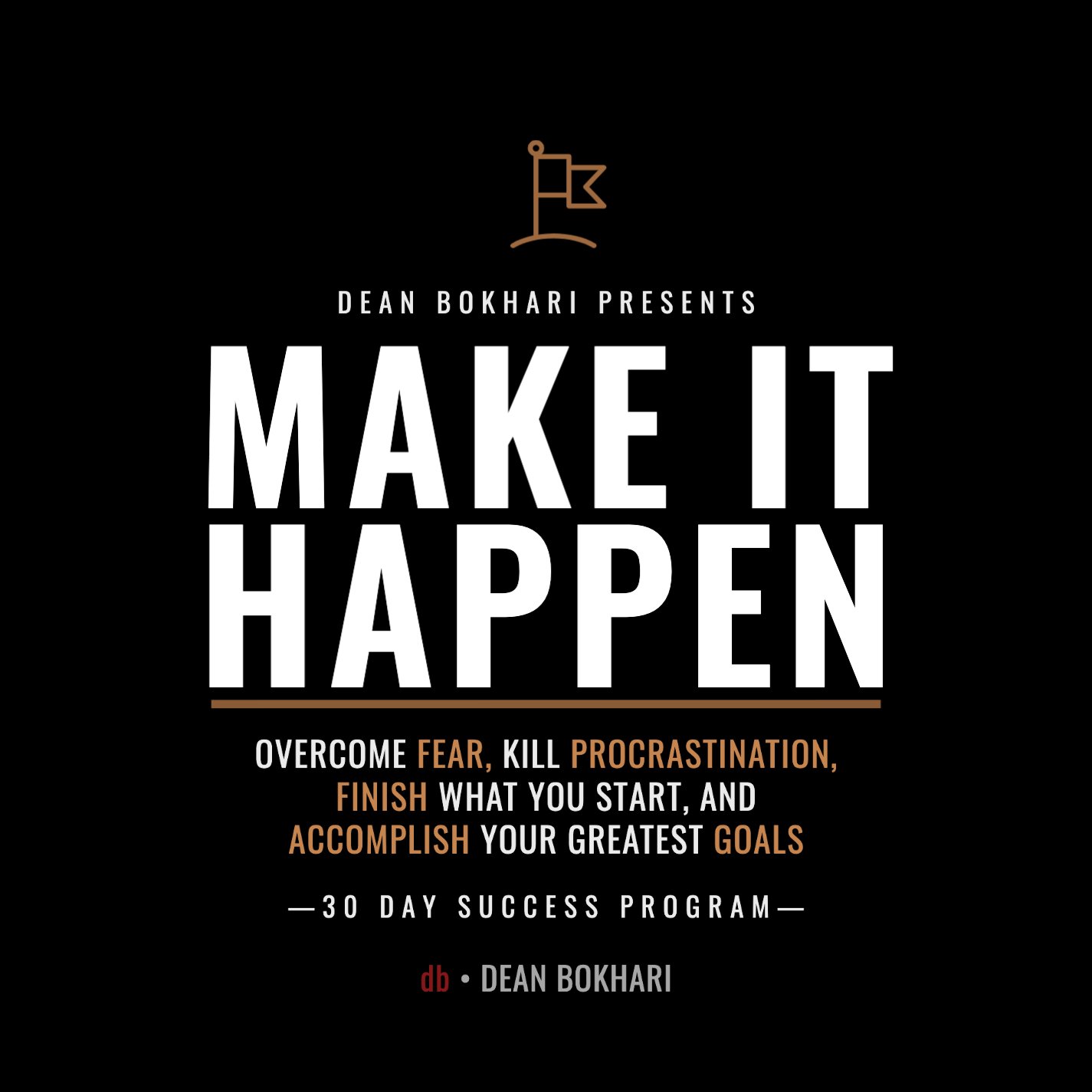
Overcome fear, beat procrastination, and accomplish your greatest goals with this 30-day success program by Dean Bokhari.
1-2-5 Daily Productivity Cards.

Gratitude Journal for men

BOOK LISTS
Free Self-Improvement Books + Guides
Popular guides

top podcasts



POPULAR SELF-DEVELOPMENT ARTICLES + PODCASTS:
The Ultimate Guide to Overcoming Lack of Motivation + Energy
10 Things to Remember if You Want to Do What You Love for a Living
7 Life-Changing Benefits of Weight Lifting
Design The Perfect Morning Ritual
Use Outcome Thinking To Get What You Want