Building Emotional Resilience In A Stress-Filled World
Collaborative Post
As much as we might like to remove the sources of stress from our lives and cut them directly at the root, that’s simply not possible for a lot of us. After all, our responsibilities can stress us out, whether it’s our work, family, or simply keeping up with the momentum of life. Although particularly negative influences should be mitigated where possible, it’s also important to understand that stress is a part of life and that building resilience might allow us to better navigate it. So, how do we build resilience?

Practice Mindfulness
Sometimes, we deal with so many different stressful factors daily that it can easily lead to us becoming overwhelmed, and our thoughts stay with our worries throughout the day. Mindfulness can be a highly effective tool, helping us stay present rather than being fixated or occupied by regrets about the past or worries about the future. Practicing mindfulness can involve meditation, deep breathing exercises, mindful walking, or simply paying attention to daily activities without distraction. Mindfulness reduces stress levels, improves our emotional regulation, and helps us become more self-aware about our emotions, often letting us build a more measured response to stressful stimuli. Over time, this practice strengthens emotional flexibility, allowing us to face challenges with a more balanced mindset.
Establish Healthy Routines
Without a bit of structure and routine to tie down our lives, it’s easy for the natural chaos of life to flow throughout our days, taking us from one thing to the next without any real time for ourselves. Maintaining a consistent daily routine with healthy habits like regular sleep schedules, taking the time for nutritious meals, and engaging in physical activity can help serve as the foundation of our emotional well-being. Predictable routines help manage mood and reduce decision fatigue throughout the day, giving us time to better manage stress. This doesn’t mean that a good routine will eliminate stress, but that it means the simple decisions of daily life don’t tax us any more than they have to.
Build Strong Social Connections
There’s a worrying trend of people adopting “stoicism” going around, but not understanding what stoicism really means. They think that they have to build themselves up to be able to handle any problem alone, without showing emotions or needing support from others. While this might feel effective at the start, it only increases the emotional burden on a person’s shoulders, meaning that they’re more likely to buckle in the future. Human connection is vital for resilience. Having support friends, family members, or community groups is encouraging, helps us process emotions, as gain some perspective when we’re facing challenges. Meaningful conversations can help us feel less isolated, while also getting truly valuable input on how to solve specific problems, or even just emotional validation that can help us release stress through pure catharsis.
Develop Healthy Coping Mechanisms
Many of us have coping mechanisms that we turn to when we’re stressed. They can help relieve some of the tension and bring back a sense of balance with the familiar and reliable. However, not all coping mechanisms are useful or good for us. Coping mechanisms like drinking alcohol, binge eating, self-medicating, or self-harm can do a lot to worsen our mental health in the long run, rather than improve things. Healthy coping behaviors like journaling, physical exercise, spending time in nature, or engaging in creative hobbies can, instead, help us regulate emotion and better process difficult experiences without having to wholly block them out, which allows us to grow emotionally as a result.

Reframe Negative Thinking
How we think, not just about the world and other people, but about ourselves, can influence our emotional release a lot. Negative thought patterns often amplify stress and create feelings of helplessness. Cognitive reframing involves identifying unhelpful thoughts and replacing them with more balanced, realistic perspectives. Seeing a setback as a learning opportunity, for instance, rather than punishing yourself for your failure, can help you foster growth and motivation, rather than simply being down on yourself. This doesn’t mean you have to ignore difficult realities or force positivity where it doesn’t belong, but it does mean recognizing your personal strengths and potential solutions, rather than getting stuck in negative thought spirals. Over time, reframing negative thinking helps us build better confidence in our ability to overcome obstacles, which is a crucial part of staying resilient in the face of adversity.
Seek Support When You Need It
As mentioned, you don’t have to go it alone to try and become more resilient. It can often have the exact opposite effect, and this is especially true when you think you might need a little professional help. Getting support from teams like The Moore Resilient Group can help you get valuable guidance, especially during periods of significant stress, anxiety, trauma, or life transitions. You can develop your coping strategies. Improve your emotional regulation skills, and address underlying issues that might be contributing to your stress, even when you’re not aware of them. Seeking help is a proactive step towards your well-being and can help you better utilize the tools that allow you to navigate challenges more effectively in life.
Set Realistic Boundaries
As mentioned, a certain degree of stress is a natural reality of life. You shouldn’t feel like your aim is to remove every single source of stress from every facet of how you live. However, it is still important ot set healthy boundaries in relationships so that you don’t have to take on any more stress than you feel is necessary. Boundaries help protect emotional energy and reduce unnecessary stress by ensuring that your responsibilities remain manageable. Learning to say no when necessary is not a sign of weakness but an act of self-respect and self-care.
The nature of the world isn’t about to change any time soon. However, with a little resilience, we’re better able to weather the stormy parts, so we’re also more likely to see the good parts for what they are, instead of letting stress cloud our perspective.
End of Collaborative Post • Publish date: 6/16/26
Free self-development courses
👇
 |
 |
Free life guides
👇

Best-selling Self-development courses by Dean Bokhari
Kill procrastination.
|
Get motivated.
|
Connect with anyone.
|
freshly pressed:
Top Audiobooks narrated by Dean Bokhari on audible | |

Book summaries
- The Power of Habit by Charles Duhigg
- 12 Rules for Life by Jordan B. Peterson
- Presence by Amy Cuddy
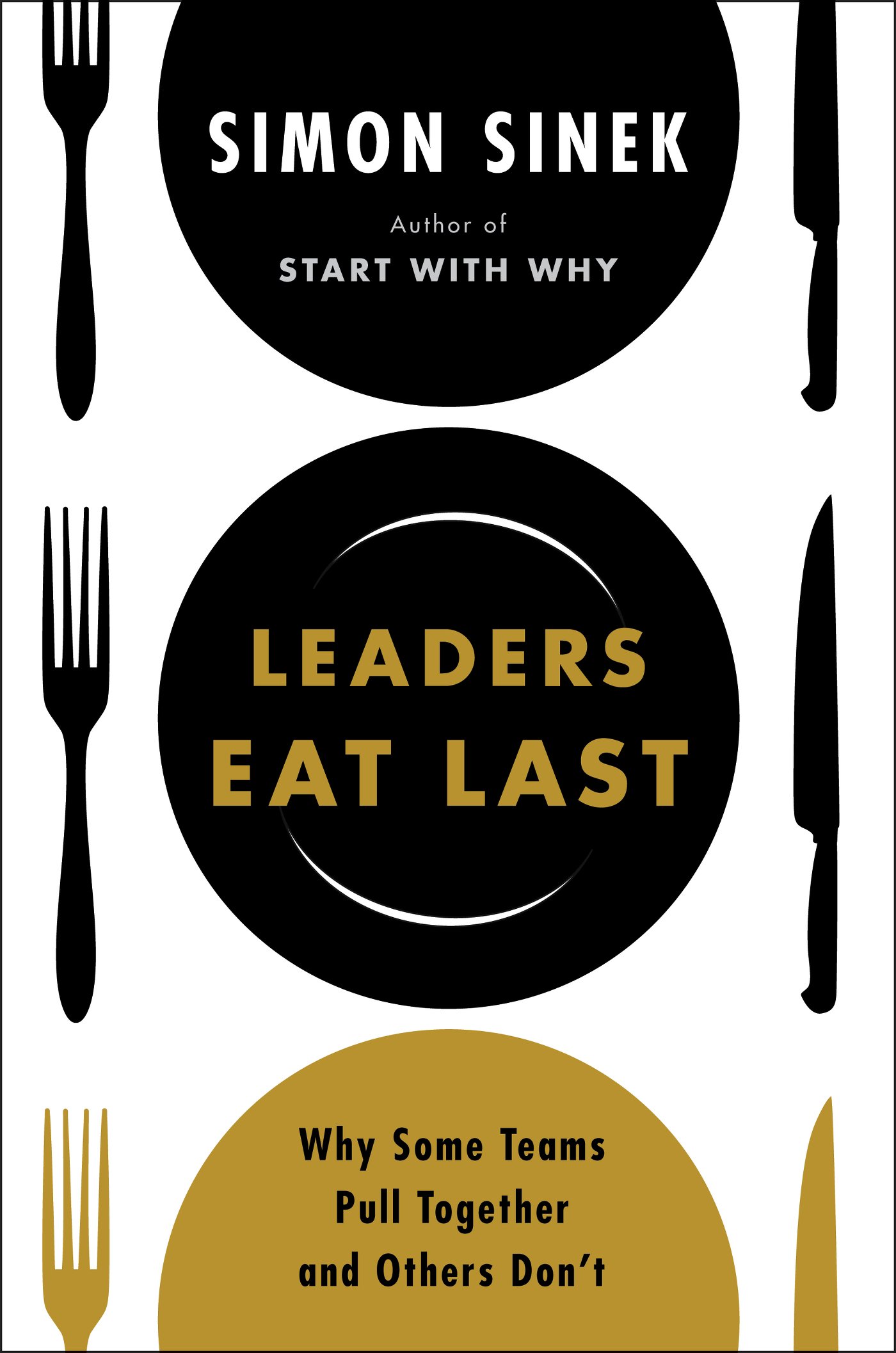
- Leaders Eat Last by Simon Sinek
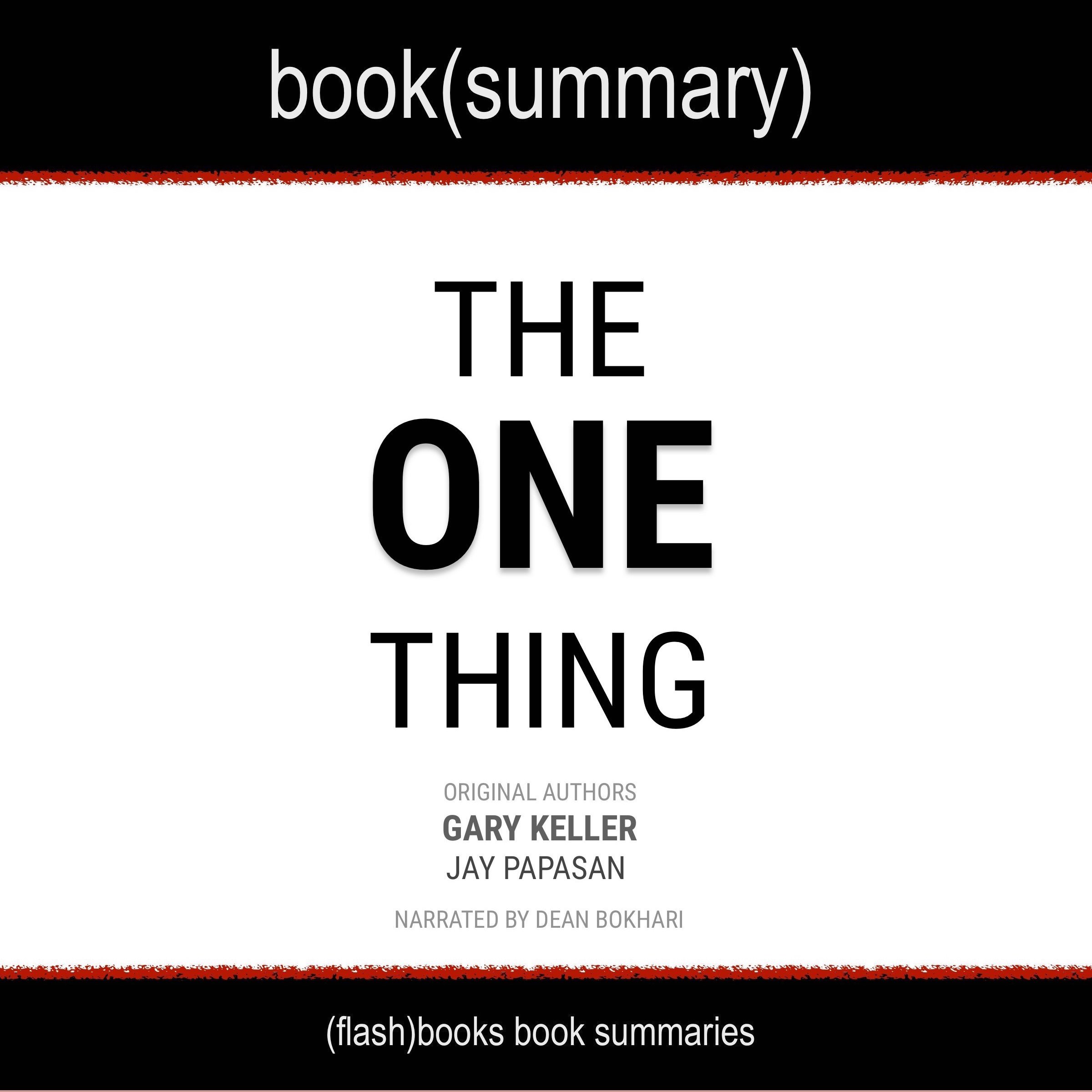
- The ONE Thing by Gary Keller, Jay Pasan
- Deep Work by Cal Newport



NAV

listen + subscribe



Overcome fear, beat procrastination, and accomplish your greatest goals with this 30-day success program by Dean Bokhari.
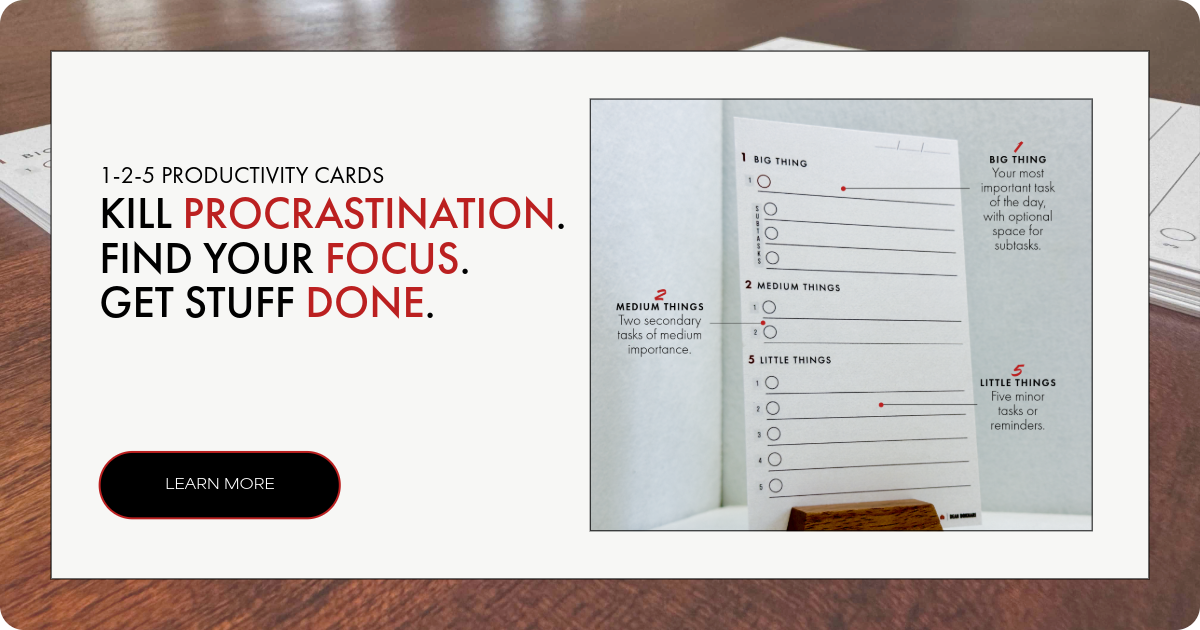
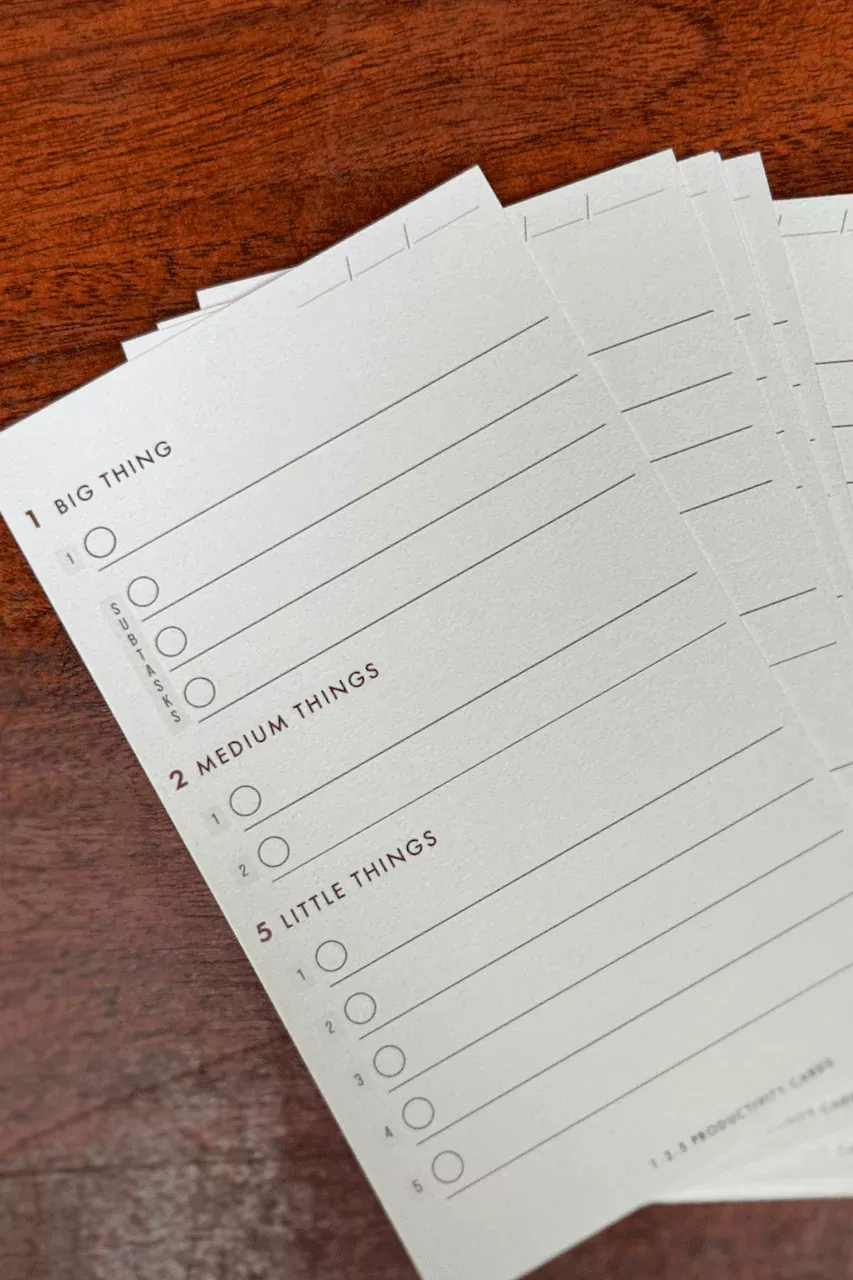
1-2-5 Daily Productivity Cards.
Gratitude Journal for men
BOOK LISTS
Free Self-Improvement Books + Guides
Popular guides
top podcasts



POPULAR SELF-DEVELOPMENT ARTICLES + PODCASTS:
The Ultimate Guide to Overcoming Lack of Motivation + Energy
10 Things to Remember if You Want to Do What You Love for a Living
7 Life-Changing Benefits of Weight Lifting
Design The Perfect Morning Ritual
Use Outcome Thinking To Get What You Want