Collaborative Post
How Chronic Worry Silently Destroys Decision-Making

Image Credit: Unsplash
Chronic worry can turn ordinary choices into exhausting mental debates. You may compare the same options repeatedly, imagine unlikely problems or delay a decision until the opportunity passes. Over time, this pattern weakens trust in your own judgment and makes even low-risk choices feel consequential.
Clearer decision-making starts with understanding how anxiety affects thought patterns and the body. From there, practical limits, physical calming techniques and professional support can help you respond with greater confidence.
The Mental Toll of Analysis Paralysis
Analysis paralysis occurs when excessive thinking prevents you from choosing or acting. You might spend hours comparing two similar products, rewrite a simple email five times or keep researching a decision after you have enough information.
Each delayed choice offers brief relief because you haven't risked making a mistake. That relief can reinforce avoidance, which makes the next decision feel even harder. The result is often mental fatigue, missed deadlines and reduced confidence.
Set a time limit that matches the stakes. Give routine choices five minutes and more significant ones a day or two. The Meaningful HQ guide to overcoming analysis paralysis offers more ways to interrupt this cycle before overthinking takes control.
What Racing Thoughts Do to Your Brain
Persistent worry keeps your threat response active even when no immediate danger exists. According to the National Institute of Mental Health’s anxiety guidance, anxiety may involve restlessness, difficulty concentrating, fatigue and sleep problems. These effects reduce the mental energy available for weighing evidence and choosing a course of action.
Imagine receiving a brief message from your manager asking to talk tomorrow. A worried mind may generate several negative explanations, then treat those possibilities as facts. Before deciding how to respond, write down what you know, what you're assuming and what you can verify. This simple separation helps prevent an anxious prediction from becoming the basis for your next move.
Somatic Resets for Overstimulated Minds
Calm your body before trying to reason your way through a decision. A stressed nervous system can make neutral options seem risky, so another round of comparison may only add more noise.
Try a two-minute reset. Place both feet on the floor, relax your jaw and breathe out slightly longer than you breathe in. Then identify five things you can see, four physical sensations and three sounds. This grounding exercise brings attention back to your immediate surroundings.
Movement can also help. Walk for 10 minutes without checking messages, or slowly stretch your shoulders and hands after a tense work session. Once the physical intensity drops, return to the choice and identify the smallest reversible action available.
Leverage Dedicated Professional Help
Self-guided techniques have limits when worry regularly disrupts sleep, work, relationships or basic responsibilities. A licensed mental health professional can help identify thinking habits that maintain anxiety, then teach skills suited to your symptoms and circumstances.
Evidence-based anxiety counselling is available in person for individuals in Burlington, Ontario and virtually across the province. Support may be useful if you avoid decisions for days, repeatedly seek reassurance or experience physical symptoms such as muscle tension and a racing heartbeat.
Before an appointment, record two or three recent situations. Note the decision, the feared outcome, how long you worried and what you eventually did. Specific examples give the conversation a practical starting point.
Regain Confident Mental Clarity
Confidence grows when you practice making bounded decisions and allow yourself to learn from the outcome. For a moderate choice, define your top three criteria, gather enough information to assess them and choose by a fixed deadline. Avoid reopening the decision unless genuinely new information appears.
Keep a short decision log for two weeks. Record what you chose, what you predicted would happen and what occurred. You may discover that many feared outcomes never happened or were manageable when they did.
The next time worry pulls you into another research loop, pause and label the choice as reversible or difficult to reverse. Most daily decisions fall into the first category. Give one of those choices a firm 10-minute limit and let completion rebuild trust in your judgment.
—End of collaborative post—
Free self-development courses
👇
 |
 |
Free life guides
👇
Best-selling Self-development courses by Dean Bokhari
Kill procrastination.
|
Get motivated.
|
Connect with anyone.
|
freshly pressed:
Top Audiobooks narrated by Dean Bokhari on audible | |

Book summaries
- The Power of Habit by Charles Duhigg
- 12 Rules for Life by Jordan B. Peterson
- Presence by Amy Cuddy
- Leaders Eat Last by Simon Sinek
- The ONE Thing by Gary Keller, Jay Pasan
- Deep Work by Cal Newport
NAV

listen + subscribe


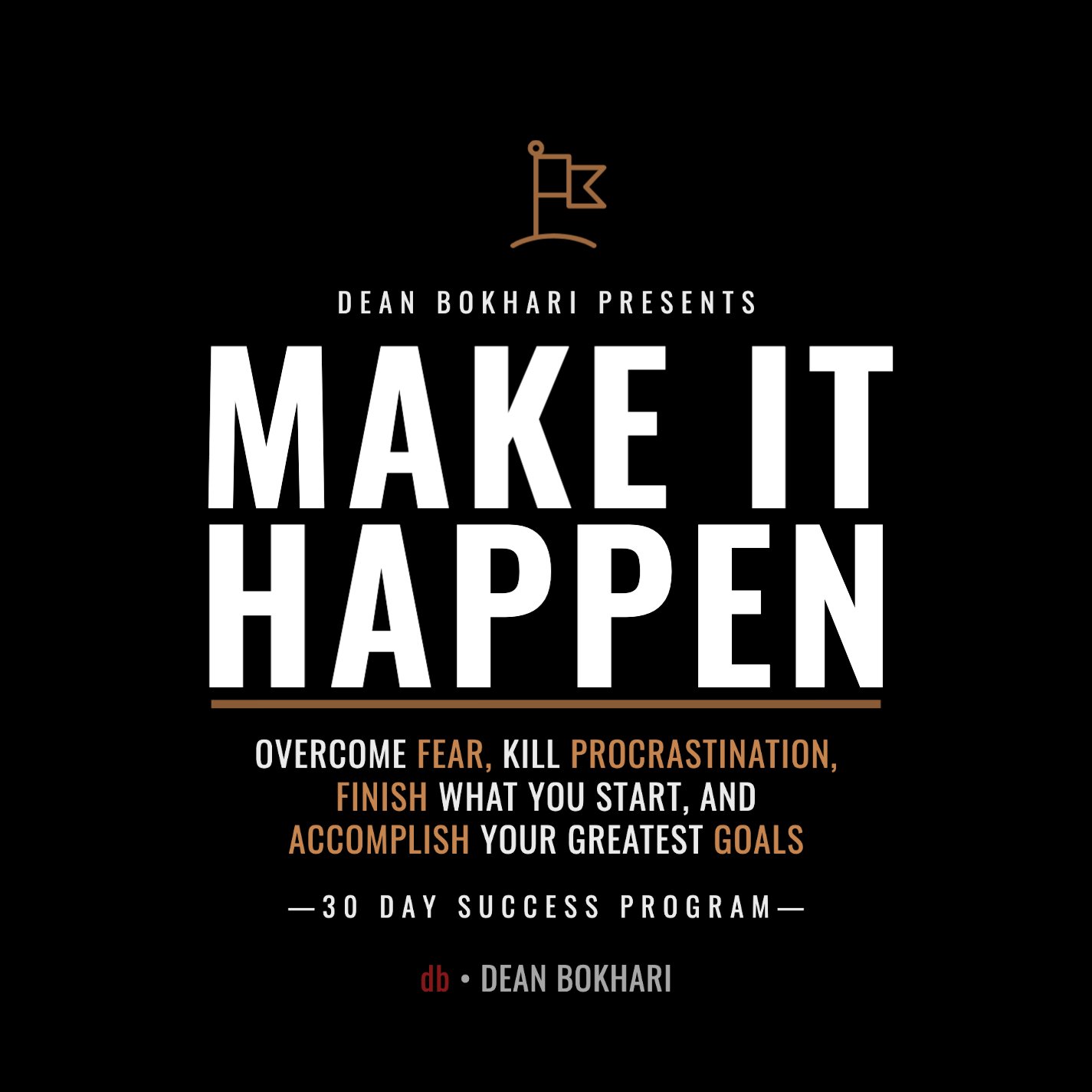
Overcome fear, beat procrastination, and accomplish your greatest goals with this 30-day success program by Dean Bokhari.
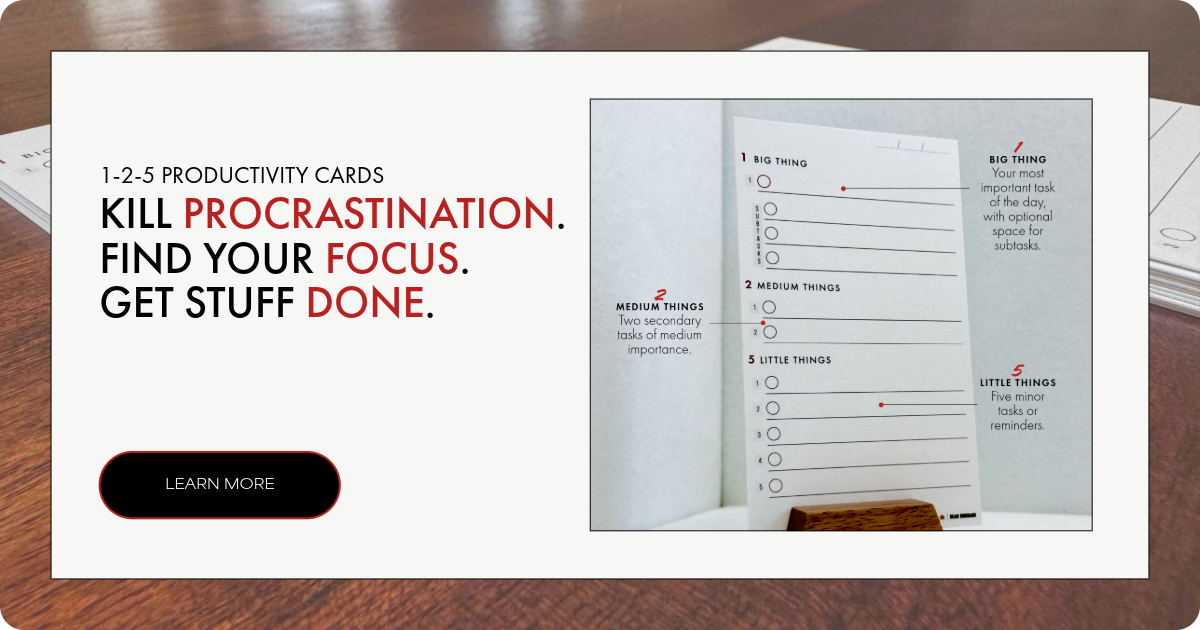
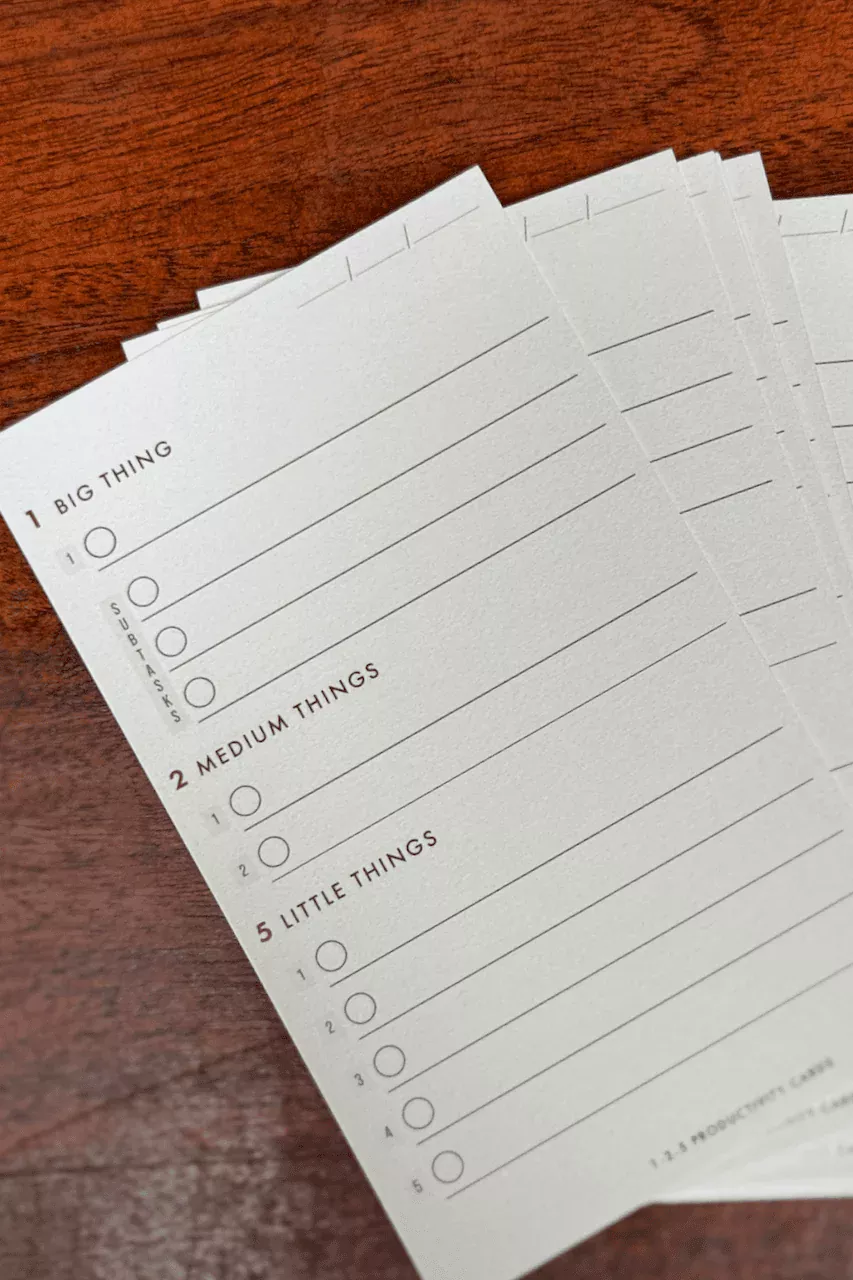
1-2-5 Daily Productivity Cards.
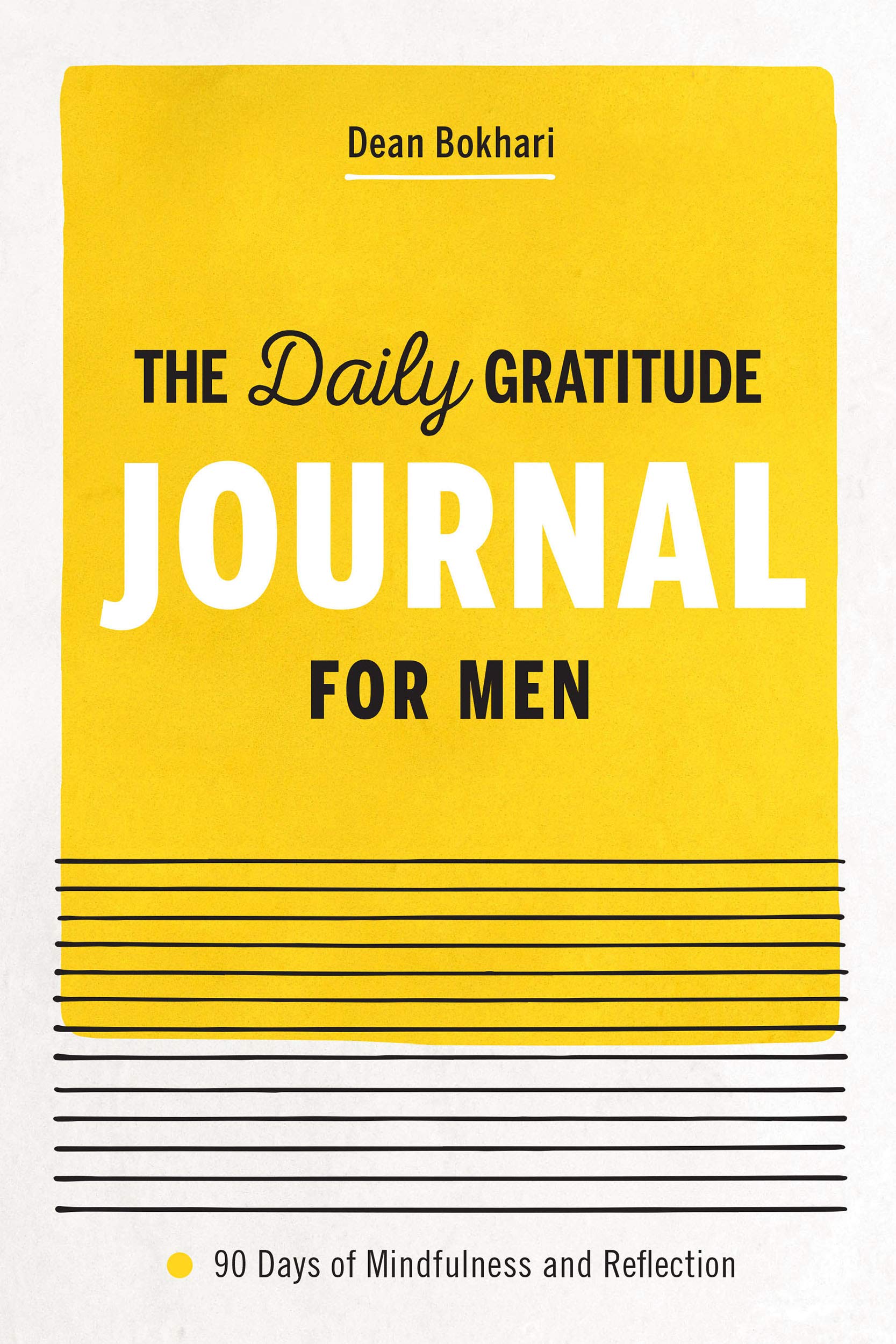
Gratitude Journal for men
BOOK LISTS
Free Self-Improvement Books + Guides
Popular guides
top podcasts

POPULAR SELF-DEVELOPMENT ARTICLES + PODCASTS:
The Ultimate Guide to Overcoming Lack of Motivation + Energy
10 Things to Remember if You Want to Do What You Love for a Living
7 Life-Changing Benefits of Weight Lifting
Design The Perfect Morning Ritual
Use Outcome Thinking To Get What You Want