Unlock Your Potential: The Role of Physical Well-being
Collaborative Post

Image Credit: Unsplash
We all want to perform at our best, whether that means hitting a work deadline, being present with family, or pursuing a passion project. We buy productivity apps, take time management courses, and read motivational books, all hoping to unlock our full potential. But we often overlook the most basic part of high performance: our physical well-being. It’s not just about avoiding sick days. How your body feels directly affects your mind’s capacity and your ability to achieve your goals.
Your physical health is the engine that drives your ambition. When it runs smoothly, you have the energy, focus, and resilience to handle any challenge. When it sputters because of pain, fatigue, or discomfort, everything else becomes harder. Understanding and prioritizing your body isn't a distraction from your goals; it’s the most direct way to reach them.
How Health Impacts Productivity
The link between physical health and how well you perform at work is clear. When you’re dealing with physical discomfort, a lot of your mental energy automatically goes into managing that pain. A nagging backache during a presentation or a tension headache while trying to analyze a spreadsheet makes focusing almost impossible. This isn't just a feeling; research consistently shows that employee well-being and productivity are deeply connected.
Discomfort acts like a constant, low-level distraction that slowly drains your cognitive resources. Think of it like running a demanding app in the background of your computer; it slows everything else down. This can show up in several ways:
- Reduced Focus: Pain and stiffness make it hard to get into a state of deep work.
- More Errors: When you’re distracted by physical symptoms, you’re more likely to make mistakes.
- Lowered Motivation: Feeling physically drained makes it harder to find the enthusiasm needed for complex or creative tasks.
- Poor Decision-Making: Fatigue can cloud judgment and lead to less-than-ideal choices.
Focusing on holistic well-being isn't a luxury; it’s a strategic necessity for anyone serious about their performance. When your body feels good, your mind is free to work at its full capacity. You can think more clearly, solve problems more effectively, and keep going for longer periods.
Recognizing Early Warning Signs
Most major physical problems don't just appear out of nowhere. They often come from small, ignored signals that gradually get worse over time. High-achievers can be especially prone to pushing through these early warnings, confusing resilience with being unbreakable. Learning to recognize and respond to your body’s subtle cues is a crucial skill for long-term success.
These signs can seem minor at first. Pay attention to:
- Persistent Stiffness: Do you wake up feeling unusually tight or find it takes a while for your joints to "warm up" in the morning?
- Dull, Recurring Aches: Is there a specific ache in your neck, back, or a joint that shows up after long periods of sitting or after a certain activity?
- Reduced Range of Motion: Do you find it harder to reach overhead, look over your shoulder, or bend down than you used to?
- Feelings of Weakness or Instability: Does a joint, like a knee or shoulder, ever feel like it might "give out" during movement?
The shoulder, for example, is one of the most mobile and complex joints in the body. This makes it prone to strain from repetitive motions like typing, lifting, or even sports. A slight twinge when you reach for something on a high shelf might be the first sign of overuse. In these situations, proactive support can make a big difference. While a proper diagnosis from a professional is always best, using the best shoulder brace during activities that cause strain can provide stability and help prevent a minor issue from becoming a major one.
Strategies for Joint and Muscle Care
Actively taking care of your body’s structure is an investment that benefits every part of your life. It doesn't mean spending hours at the gym every day. Instead, it’s about adding smart, consistent habits into your routine to build resilience and prevent wear and tear.
First, look at your work environment. Many aches and pains come directly from poor posture and setup. Making good office ergonomics changes is one of the most impactful things you can do. Adjust your chair so your feet are flat on the floor and your knees are at a 90-degree angle. Position your monitor so the top of the screen is at or slightly below eye level to keep your neck in a neutral position.
Move regularly. The human body isn't meant to stay still for eight hours a day. Set a timer to get up and walk around for a few minutes every hour. Simple stretches at your desk can also relieve tension in your neck, shoulders, and back. Think about dynamic stretches before activity to prepare your muscles, and static stretches afterward to improve flexibility.
Finally, build strength. Strong muscles support your joints, absorbing impact and reducing stress on ligaments and cartilage. This doesn't mean you need to become a powerlifter. Bodyweight exercises like squats, planks, and push-ups, or exercises using resistance bands, are very effective for building functional strength that protects your body during everyday activities.
Sustaining High Performance Levels
Achieving physical well-being isn't a one-time fix; it’s a continuous cycle of effort, recovery, and adaptation. To sustain high performance over the long term, you need to treat recovery as seriously as you treat your work or training. Many people burn out not from working too hard but from recovering too little.
Sleep is the most powerful tool you have for improving performance. It’s during sleep that your body does most of its critical repair work, consolidates memories, and regulates hormones. Consistently getting 7-9 hours of quality sleep is essential for anyone who wants to function at their best.
Beyond sleep, understanding active recovery is vital. On days when you’re not pushing yourself hard, light activity like walking, swimming, or gentle yoga can do more for your recovery than sitting on the couch. This low-intensity movement increases blood flow to your muscles, which helps clear out metabolic waste and deliver nutrients needed for repair. As fitness experts explain, proper rest and recovery are when the actual physiological gains are made. Pushing hard breaks the body down; recovery is what builds it back stronger.
Ultimately, sustaining high performance means learning to listen to your body. It’s about developing the awareness to know when you can push your limits and when you need to pull back and recharge. This intelligent self-regulation prevents injury, avoids burnout, and creates a foundation for consistent, long-term achievement.
Your physical health isn't separate from your ambition; it’s the foundation on which all your success is built. By treating your body as a valuable asset and investing in its care, you unlock the energy and focus needed to reach your true potential.
—End of Collaborative Post—
Free self-development courses
👇
 |
 |
Free life guides
👇
Best-selling Self-development courses by Dean Bokhari
Kill procrastination.
|
Get motivated.
|
Connect with anyone.
|
freshly pressed:
Top Audiobooks narrated by Dean Bokhari on audible | |


Book summaries
- The Power of Habit by Charles Duhigg
- 12 Rules for Life by Jordan B. Peterson
- Presence by Amy Cuddy
- Leaders Eat Last by Simon Sinek
- The ONE Thing by Gary Keller, Jay Pasan
- Deep Work by Cal Newport


NAV

listen + subscribe

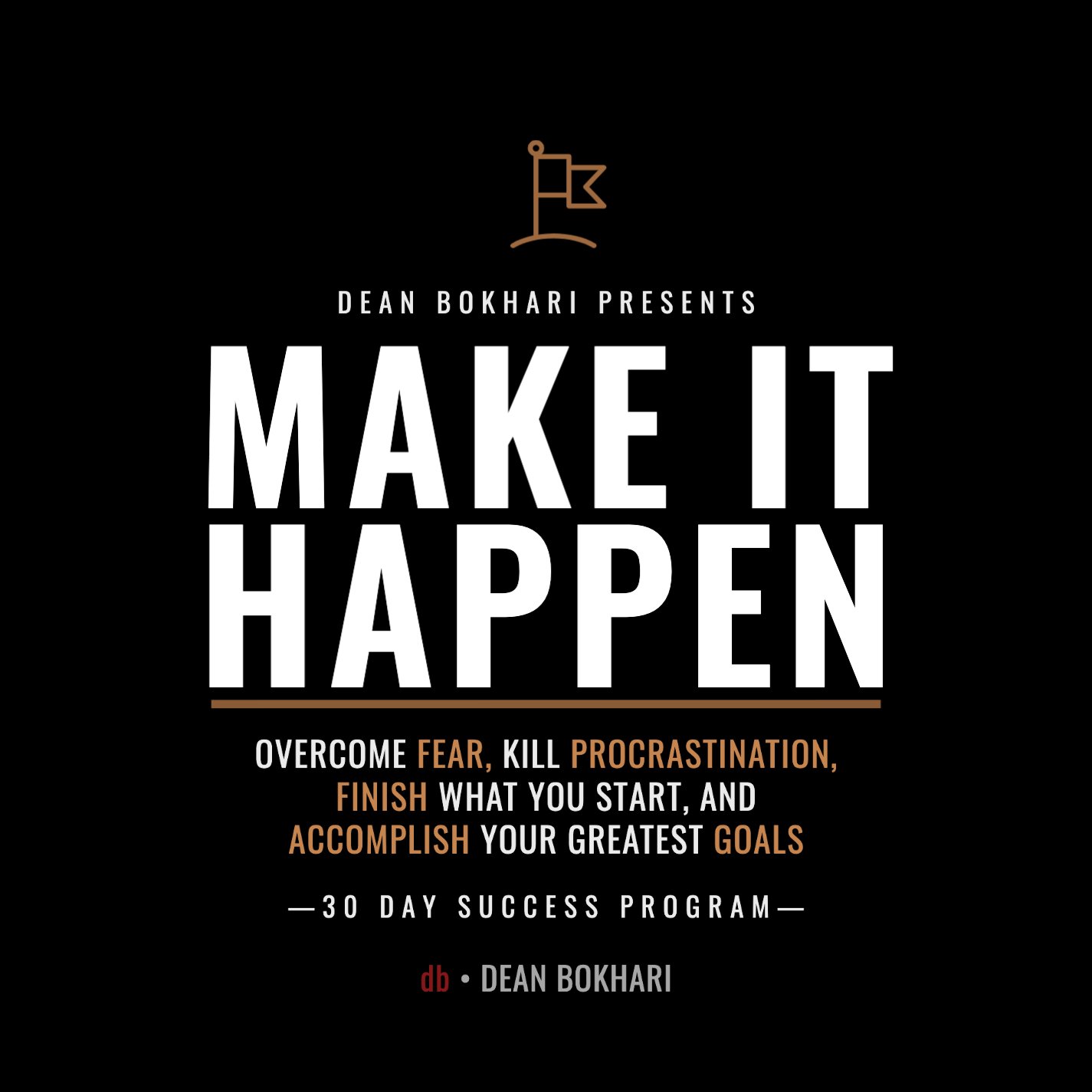
Overcome fear, beat procrastination, and accomplish your greatest goals with this 30-day success program by Dean Bokhari.
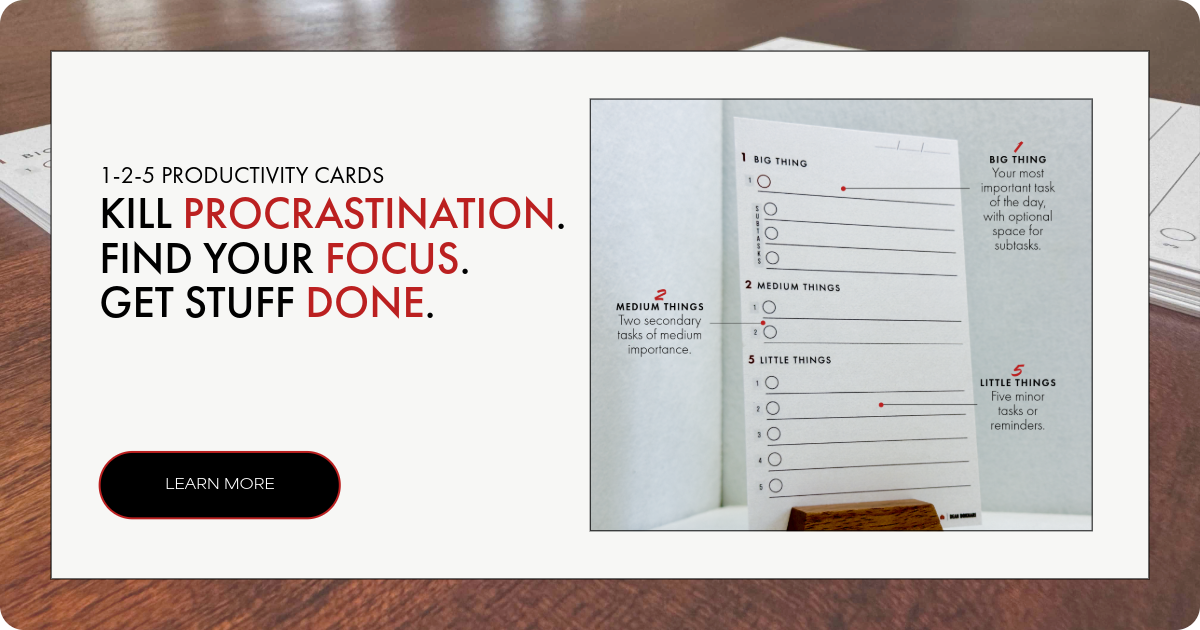
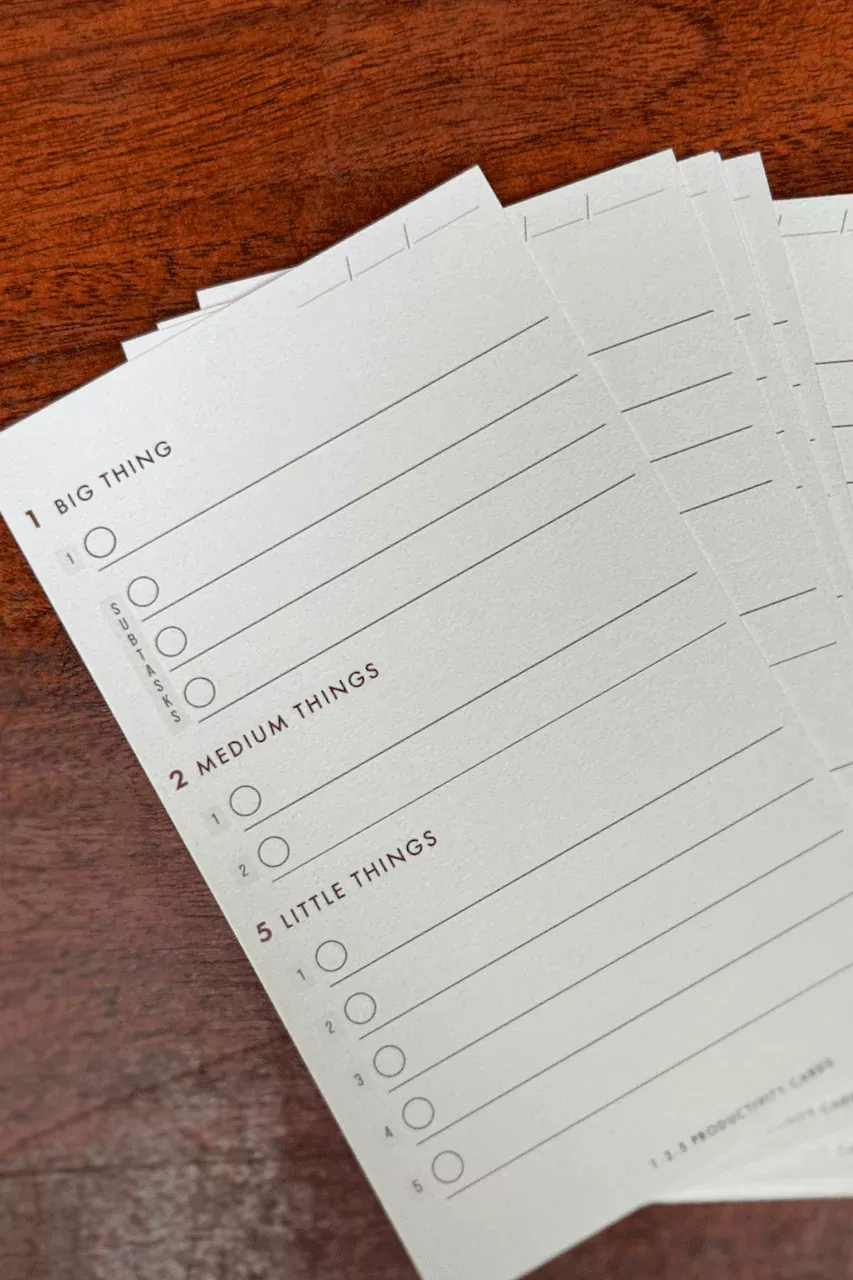
1-2-5 Daily Productivity Cards.
Gratitude Journal for men
BOOK LISTS
Free Self-Improvement Books + Guides
Popular guides
top podcasts

POPULAR SELF-DEVELOPMENT ARTICLES + PODCASTS:
The Ultimate Guide to Overcoming Lack of Motivation + Energy
10 Things to Remember if You Want to Do What You Love for a Living
7 Life-Changing Benefits of Weight Lifting
Design The Perfect Morning Ritual
Use Outcome Thinking To Get What You Want