Wholesale Supplier Assumptions That Cost Businesses Money
Collaborative Post

Do you make assumptions about your suppliers? Either once you've established a relationship, or as you’re looking for new suppliers? The thing is, assumptions can be extremely damaging to your procurement process, and getting it wrong can and will cost you now and in the long run in multiple ways. But is it that easy to avoid making them? Yes, and no. If you know what assumptions people make, you can avoid them. And we have a few things you need to avoid assuming in relation to your wholesalers.
Assuming Quoted Price is Total Cost
The number your supplier quotes at the start of the conversation is rarely what you'll actually pay. Why? Because on top of the “quoted cost,” there'll likely be fees for things like shipping, handling, minimum order thresholds, and restocking fees that are added on top.
Can you avoid this? Sure, but this means presuming they'll be added on and asking specifically if they are included or not, and what the cost is once these applicable charges have been added to your order total.
Assuming Stock Will Always Be Available
This is a really important assumption you need to avoid. Sure, they might hold a track record in meeting orders on time and have references and data to back this up. But their order and fulfillment logistics aren't infallible, and if they're out of stock, what do you do then?
Demand for stock, especially technology, can shift, supply chains can tighten, and inventory management can vary significantly between suppliers. If you’re not periodically checking on your supplier's stock, especially for your high-volume or operationally critical lines, then you're adding unnecessary risk to your business. The way to deal with it is to know how often they have experienced this in the past, what measures they have in place to combat it on their end, and how they inform you should this impact your orders.
Assuming Supplier Quality Stays the Same
Supplier quality can drift for a number of reasons. It can be due to ownership changes, scaling issues, shifts in their own supply chain, or simply a drop in operational standards that goes unaddressed internally. Business sourcing for the best wholesale supplier for computer & server parts, for example, needs to treat that search as ongoing, not just a one-time decision. You need to track performance data, including lead times, accuracy rates, and issue resolution speed, amongst others, to help you catch early signals of something potentially being wrong.
Assuming Lead Times Are Guaranteed
Never assume lead time is guaranteed. Nothing should be assumed guaranteed. Lead times are, and should be treated as targets, not commitments. And for your turnaround time, this distinction matters a lot. Supplies will face the same battles as you will. There'll be carrier delays, stock shortfalls, warehouse backlogs, etc., and these all get passed downstream to you.
The workaround is to build your procurement planning around more realistic lead times, not ideal ones. Use performance data to help you create a timeline that you can rely on more than inspiration targets. Track how often your supplier hits their quoted leads, times, when they don't, and how they address any delays or issues. This means you can improve how you operate to avoid passing on the delays to your customers.
—End of collaborative post—
Free self-development courses
👇
 |
 |
Free life guides
👇




Best-selling Self-development courses by Dean Bokhari
Kill procrastination.
|
Get motivated.
|
Connect with anyone.
|

freshly pressed:

Top Audiobooks narrated by Dean Bokhari on audible | |


Book summaries
- The Power of Habit by Charles Duhigg
- 12 Rules for Life by Jordan B. Peterson
- Presence by Amy Cuddy
- Leaders Eat Last by Simon Sinek
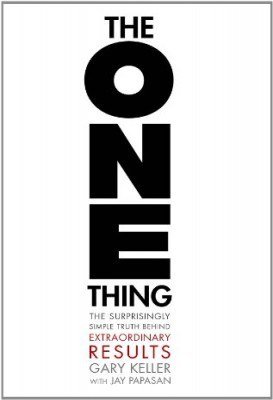
- The ONE Thing by Gary Keller, Jay Pasan
- Deep Work by Cal Newport



NAV

listen + subscribe




Overcome fear, beat procrastination, and accomplish your greatest goals with this 30-day success program by Dean Bokhari.
1-2-5 Daily Productivity Cards.

Gratitude Journal for men

BOOK LISTS
Free Self-Improvement Books + Guides
Popular guides
top podcasts






POPULAR SELF-DEVELOPMENT ARTICLES + PODCASTS:
The Ultimate Guide to Overcoming Lack of Motivation + Energy
10 Things to Remember if You Want to Do What You Love for a Living
7 Life-Changing Benefits of Weight Lifting
Design The Perfect Morning Ritual
Use Outcome Thinking To Get What You Want