When It’s Your Fault (And What to Do About It)
Collaborative Post

In relationships, there is a particular flavor of discomfort which comes with realizing that you might be the one who got it wrong. Whatever “it” is. And you don’t need to have been 100% at fault for it to tug at your conscience enough that brushing past it would feel wrong.
For a lot of people - most of us, in all honesty - that moment can trigger defensiveness. You start to explain your actions, justify your words, clarify what you meant and point to the context that makes them make sense. And you may even have a point.
But none of that is the point, and that can be the toughest part to process.
Recognizing your fault without it becoming a spiral
Taking responsibility for a disagreement or argument can feel heavy on your shoulders, and that can express itself in ways that don’t help anyone. It’s very easy to slip from “I played a part in this” to “this is all my fault”, and from there, the momentum alone can take it to “because I am a bad person”.
And, to be blunt for a moment, that’s not what anyone needs. We all make mistakes; we all hurt the ones we love. And we all feel horrible when it happens. But self-criticism, especially when driven by guilt, is actually pretty self-indulgent, and your inner turmoil is not what matters right now. And you won’t learn a single useful lesson from it.
Why good intentions don’t cancel out bad consequences
The gap between intention and impact is where most conflict lives. You may be non-committal on anything from dinner plans to what you’re watching on TV because you think it’s the generous thing to do - but what if your loved one feels like they’re always the one who decides and resents the pressure?
You may buy a gift that’s extravagant and sums up how you feel about them, when they’re sat there worried about how you’re going to make rent this month. That’s what’s hurting them, and it is this point that any relationship program worth its place will center.
Explaining that you operated with the best of intentions isn’t going to get it done here. Are you trying to get them to accept your framing of the argument? Are you actually trying to win the relationship? All that matters in this moment is acknowledging the hurt and resolving to do better. And that’s what will show your partner that you’re working with them, that what matters to them matters to you.
Repairing instead of defending
You’re going to get things wrong sometimes and it’s going to sting. Not least because you will have set out with the best of intentions. So your reaction to those mistakes can’t be to devolve into self-recrimination. When you think about it, doing that is actually pretty cruel to the one who’s watching you do it - because now they feel guilty.
What will work in this situation is to acknowledge that you know you got it wrong; you meant better but you know you missed the mark; and that you accept it wasn’t your finest hour. And the more you follow this pattern rather than the spiral of self-criticism, the more it will become second nature. As a result, the disagreements will be fewer in number and shorter in length - and that’s a prize worth battling for.
—End of collaborative post—
Free self-development courses
👇
 |
 |
Free life guides
👇
Best-selling Self-development courses by Dean Bokhari
Kill procrastination.
|
Get motivated.
|
Connect with anyone.
|
freshly pressed:
Top Audiobooks narrated by Dean Bokhari on audible | |

Book summaries
- The Power of Habit by Charles Duhigg
- 12 Rules for Life by Jordan B. Peterson
- Presence by Amy Cuddy
- Leaders Eat Last by Simon Sinek
- The ONE Thing by Gary Keller, Jay Pasan
- Deep Work by Cal Newport

NAV

listen + subscribe



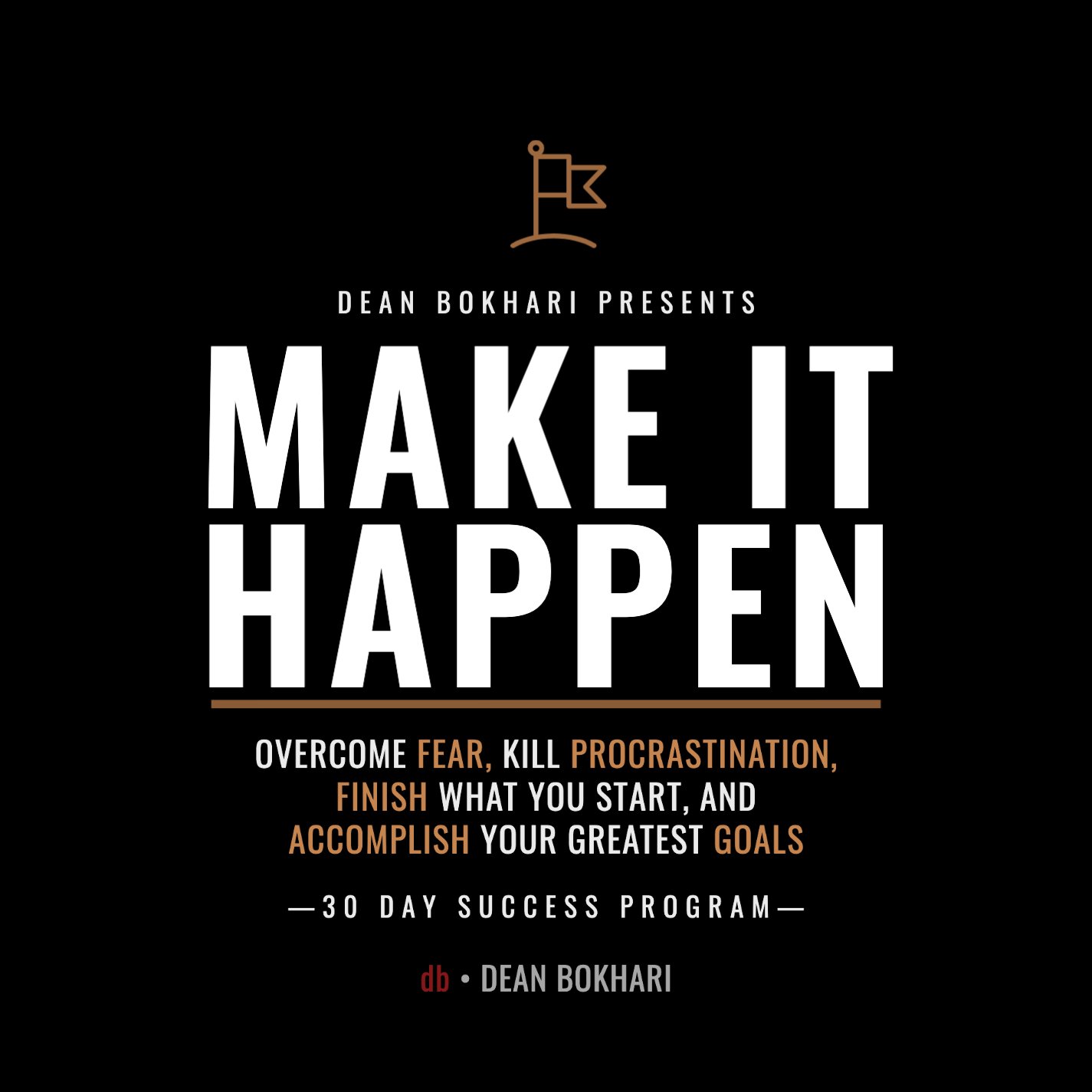
Overcome fear, beat procrastination, and accomplish your greatest goals with this 30-day success program by Dean Bokhari.
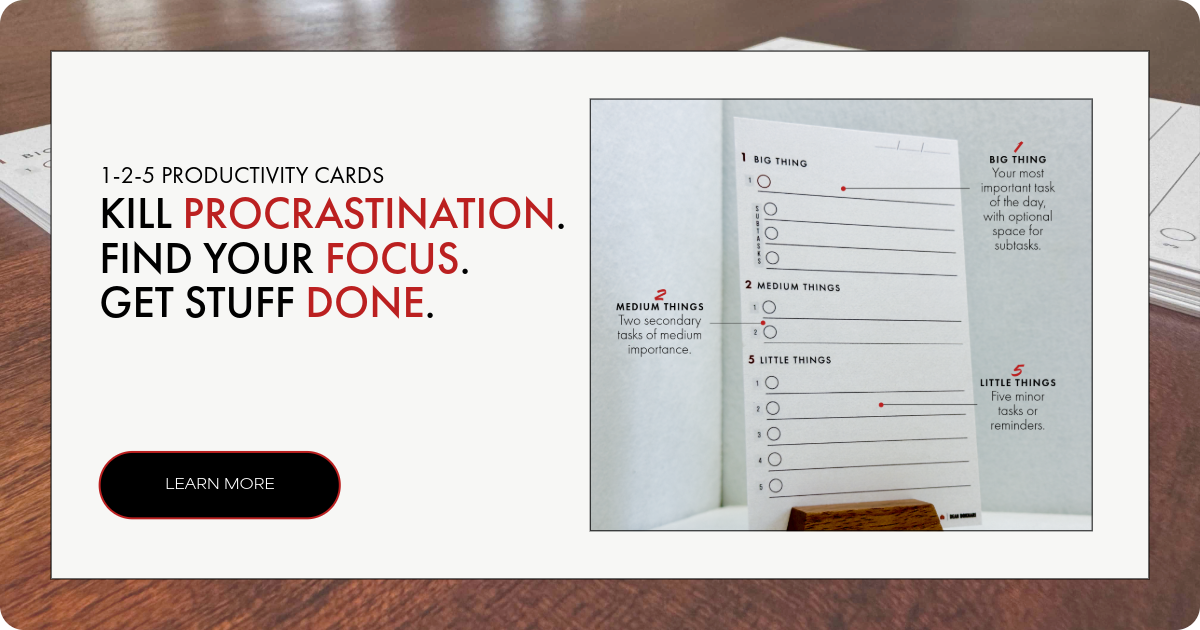
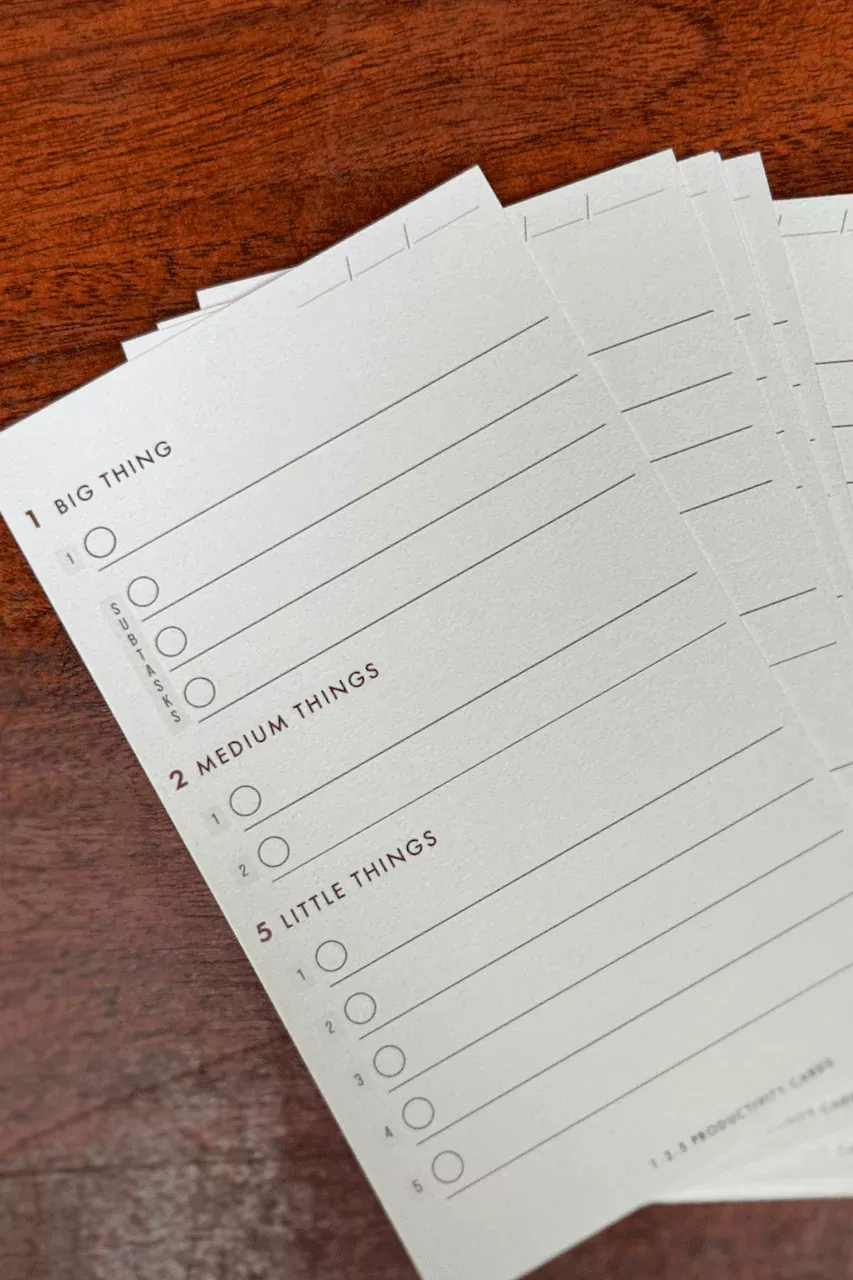
1-2-5 Daily Productivity Cards.
Gratitude Journal for men
BOOK LISTS
Free Self-Improvement Books + Guides
Popular guides
top podcasts



POPULAR SELF-DEVELOPMENT ARTICLES + PODCASTS:
The Ultimate Guide to Overcoming Lack of Motivation + Energy
10 Things to Remember if You Want to Do What You Love for a Living
7 Life-Changing Benefits of Weight Lifting
Design The Perfect Morning Ritual
Use Outcome Thinking To Get What You Want